Clear Skin Home Remedies: Natural Solutions That Work
Achieving clear, glowing skin doesn’t always require expensive products or professional treatments. Your kitchen holds powerful ingredients that can transform your complexion naturally. These remedies have been trusted for generations, offering effective solutions without harsh chemicals.
Many people struggle with various skin concerns. Acne, dark spots, and dull skin can affect confidence and well-being. The good news is that nature provides incredible healing properties through simple ingredients.
Home remedies work by nourishing your skin from the outside while respecting its natural balance. Unlike commercial products with synthetic additives, natural solutions tend to be gentler on sensitive skin. They also offer a cost-effective approach to skincare that anyone can adopt.
Ready to Transform Your Skin Naturally?
Discover proven methods that thousands have used to achieve clear, radiant skin using natural ingredients and time-tested techniques.
Understanding Your Skin and Why Home Remedies Work
Your skin is the body’s largest organ. It serves as a protective barrier against environmental damage and harmful bacteria. When this barrier becomes compromised, various skin issues can emerge.
The skin constantly regenerates itself. New skin cells form in deeper layers and gradually move to the surface. This process takes approximately 28 days in healthy skin. Dead skin cells accumulate on the surface, which can clog pores and create a dull appearance.
Natural ingredients support skin health through multiple mechanisms. They provide vitamins, minerals, and antioxidants that nourish skin cells. Many also possess anti-inflammatory properties that reduce redness and irritation. Some ingredients help balance oil production, which is crucial for preventing acne.
Key Factors Affecting Skin Health
Hormonal fluctuations that increase oil production
Environmental pollutants that damage skin barrier
Diet choices that impact inflammation levels
Stress hormones affecting skin regeneration
Sleep quality influencing repair processes
Hydration levels impacting skin elasticity
Different skin types require tailored approaches. Oily skin benefits from ingredients that control excess sebum without stripping natural oils. Dry skin needs deeply hydrating components that strengthen the skin barrier. Sensitive skin requires gentle, soothing ingredients that minimize irritation.
Understanding your skin type helps you select the most suitable skin types remedies. This customization ensures better results and reduces the risk of adverse reactions.
Aloe Vera: The Ultimate Healing Ingredient for Clear Skin
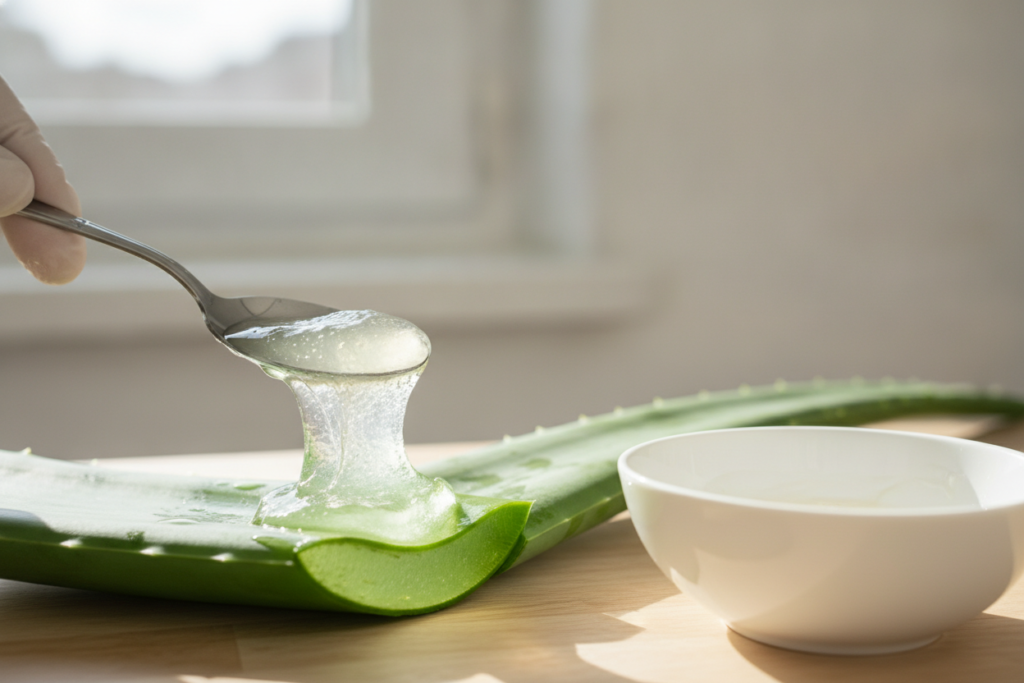
Aloe vera stands as one of the most versatile ingredients in natural skincare. This succulent plant contains over 75 active compounds that benefit skin health. The clear gel inside aloe vera leaves offers remarkable healing and moisturizing properties.
The magic of aloe vera gel lies in its unique composition. It contains vitamins A, C, and E, which are powerful antioxidants. These vitamins protect skin cells from free radical damage. Aloe vera also provides vitamin B12 and folic acid, supporting healthy cell division.
How Aloe Vera Transforms Your Skin
Aloe vera works through multiple pathways to improve skin health. Its anti-inflammatory properties reduce swelling and redness associated with acne. The plant contains compounds called polysaccharides that stimulate skin repair and regeneration.
For acne-prone skin, aloe vera gel offers natural antibacterial action. It fights the bacteria that contribute to breakouts without drying out your face. This makes it ideal for all suitable skin types, including sensitive skin that reacts poorly to harsh treatments.
Skin Hydration Benefits
Aloe vera provides deep moisture without feeling greasy or heavy on the skin surface.
Penetrates multiple skin layers effectively
Locks in moisture for lasting hydration
Doesn’t clog pores or cause breakouts
Suitable for oily and combination skin
Healing Properties
The gel accelerates wound healing and reduces the appearance of scars and blemishes.
Promotes collagen production naturally
Reduces hyperpigmentation gradually
Soothes sunburned or irritated skin
Minimizes appearance of acne scars
Anti-Aging Effects
Regular use helps maintain skin elasticity and reduces the formation of fine lines.
Stimulates fibroblast cell activity
Increases collagen and elastin production
Improves skin firmness over time
Protects against environmental damage
Gentle Exfoliation
Natural enzymes in aloe vera gently remove dead skin cells without harsh scrubbing.
Reveals fresher skin underneath
Unclogs pores effectively
Improves overall skin texture
Enhances product absorption
Simple Aloe Vera Face Treatments
Using aloe vera for clear skin is remarkably simple. The most basic application involves applying fresh aloe vera gel directly to clean skin. Leave it on for 15 to 20 minutes before rinsing with lukewarm water. This treatment can be done daily.
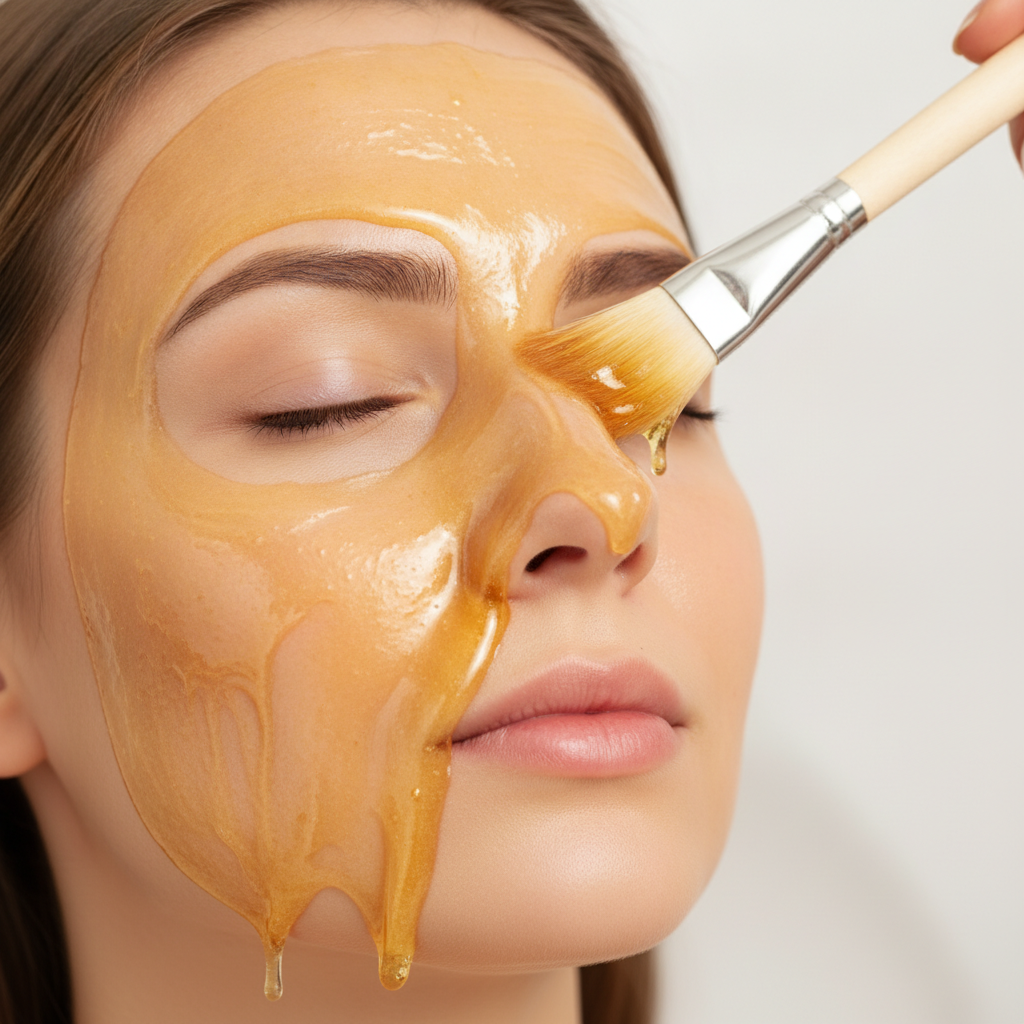
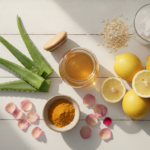
For enhanced results, combine aloe vera gel with other natural ingredients. Mix two tablespoons of aloe vera with one teaspoon of honey for a deeply nourishing mask. Apply this mixture to your face and leave for 15 minutes. The honey adds antibacterial properties while the aloe vera soothes and hydrates.
Another effective treatment combines aloe vera with turmeric powder. Mix one tablespoon of aloe vera gel with a pinch of turmeric. This combination works wonderfully for reducing inflammation and brightening skin tone. Apply to problem areas and wash with lukewarm water after 10 minutes.
Pro Tip: Always perform a patch test when using aloe vera for the first time. Apply a small amount to your inner arm and wait 24 hours to ensure you don’t have an allergic reaction, particularly important for sensitive skin types.
Honey: Nature’s Perfect Antiseptic for Glowing Skin
Honey has been used in skincare for thousands of years across many cultures. This golden liquid offers powerful antimicrobial and antioxidant properties. Raw, unpasteurized honey provides the most benefits for skin care routines.
The sticky texture of honey might seem unusual for face applications, but this is precisely what makes it effective. Honey acts as a humectant, drawing moisture from the air into your skin. This creates long-lasting hydration that keeps skin supple and healthy.
The Science Behind Honey’s Skin Benefits
Honey contains an enzyme called glucose oxidase. When honey contacts your skin, this enzyme produces hydrogen peroxide, a natural antiseptic. This gentle antimicrobial action helps eliminate acne-causing bacteria without irritating skin.
The natural acids in honey provide mild exfoliation. These acids help dissolve dead skin cells that clog pores and create dullness. Regular use reveals fresh, glowing skin underneath while maintaining the skin barrier integrity.
Honey also contains powerful antioxidants including flavonoids and phenolic acids. These compounds protect skin cells from oxidative stress caused by environmental pollutants and UV exposure. This protection helps prevent premature aging and supports overall skin health.
Honey Cleansing Method
Massage raw honey onto damp skin using circular motions. This gentle cleansing removes dirt and makeup while nourishing your face. Leave for two minutes before rinsing with warm water. Your skin will feel clean yet moisturized.
All Skin Types
Brightening Honey Treatment
Combine one tablespoon of honey with half a teaspoon of fresh lemon juice. Apply to dark spots or overall face for skin brightening. The lactic acid in lemon works with honey’s enzymes to even out skin tone naturally.
Normal to Oily
Overnight Spot Treatment
Dab pure honey directly onto blemishes before bed. The extended contact time allows honey’s antibacterial properties to work deeply. Cover with a small bandage if needed. Wash off in the morning with lukewarm water for visible improvement.
Acne-Prone
Honey for Different Skin Concerns
For acne treatment, honey works exceptionally well when combined with cinnamon. Mix two tablespoons of honey with one teaspoon of cinnamon powder to create a powerful antibacterial mask. Apply to affected areas and leave for 10 minutes. Both ingredients fight bacteria while reducing inflammation.
Dry skin benefits from a honey and avocado combination. Mash half a ripe avocado and mix with one tablespoon of honey. This creamy mask provides intense hydration and nourishment. The healthy fats in avocado complement honey’s moisturizing properties perfectly.
For irritated skin or after sun exposure, honey mixed with yogurt offers soothing relief. The lactic acid in yogurt gently exfoliates while probiotics support skin health. Combine equal parts honey and plain yogurt, apply generously, and leave for 15 minutes before washing with water.
Turmeric: The Golden Spice for Clear, Even-Toned Skin
Turmeric has earned its reputation as a miracle ingredient in traditional skincare. This bright yellow spice contains curcumin, a compound with powerful anti-inflammatory and antioxidant effects. These properties make turmeric excellent for treating various skin concerns.
The spice works particularly well for reducing hyperpigmentation and dark spots. Regular application can help fade acne scars and sun damage over time. Turmeric also helps control oil production, making it suitable for acne-prone and oily skin types.
How Turmeric Benefits Your Skin
Curcumin, the active compound in turmeric, inhibits melanin production. Melanin is the pigment responsible for dark spots and uneven skin tone. By regulating this process, turmeric gradually lightens hyperpigmentation and creates a more uniform complexion.
The anti-inflammatory properties of turmeric make it invaluable for calming irritated skin. It reduces redness associated with acne, rosacea, and other inflammatory conditions. This soothing effect helps skin heal faster while preventing further damage.
Turmeric also possesses antibacterial qualities that combat acne-causing bacteria. Unlike harsh chemical treatments, it does this without disrupting the skin’s natural balance. This makes it a gentler alternative for those with sensitive skin who still want effective acne treatment.
Important Note: Turmeric can temporarily stain skin yellow, especially on lighter skin tones. This staining is harmless and washes away with repeated cleansing. To minimize staining, use smaller amounts or mix with yogurt or milk, which helps reduce the yellow tint.
Effective Turmeric Face Treatments
The classic turmeric face mask combines the spice with milk or yogurt. Mix half a teaspoon of turmeric powder with two tablespoons of milk to form a paste. Apply to your face and leave for 10 to 15 minutes. The lactic acid in milk enhances turmeric’s brightening effects while preventing excessive staining.
For acne-prone skin, create a powerful treatment by mixing turmeric with honey and tea tree oil. Combine half a teaspoon of turmeric, one tablespoon of honey, and two drops of tea tree oil. This trio provides antibacterial, anti-inflammatory, and healing properties. Apply to problem areas and leave for 10 minutes before rinsing.
A turmeric and chickpea flour mask offers gentle exfoliation along with brightening benefits. Mix equal parts turmeric and chickpea flour with enough water to create a spreadable paste. Massage onto face in circular motions, then leave for 10 minutes. This combination removes dead skin cells while delivering turmeric’s healing compounds.
Take Your Clear Skin Journey to the Next Level
While these home remedies offer excellent results, combining them with a proven system accelerates your progress. Access comprehensive protocols that have helped thousands achieve their clearest skin ever.
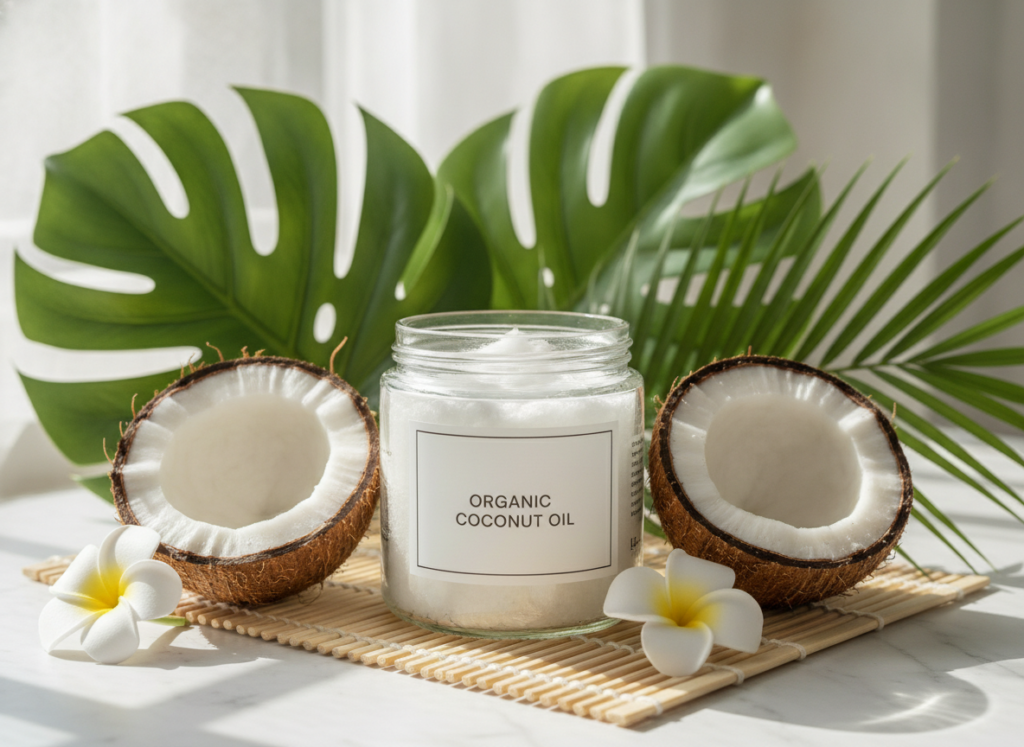
Coconut oil stands as a versatile ingredient that offers multiple benefits for skin health. This tropical oil contains medium-chain fatty acids that penetrate skin deeply. These fatty acids provide nourishment while strengthening the skin barrier against external irritants.
The oil is particularly rich in lauric acid, which has proven antimicrobial properties. This makes coconut oil effective for preventing and treating mild acne. It also provides intense hydration, making it ideal for dry skin that needs moisture restoration.
Benefits of Coconut Oil for Skin Care
Coconut oil works as an excellent natural makeup remover. Its oil-based formula dissolves even waterproof makeup without harsh rubbing. This gentle removal method protects delicate facial skin while thoroughly cleansing. Simply massage a small amount onto dry skin, then wipe away with a warm, damp cloth.
For body care, coconut oil serves as a rich moisturizer that locks in hydration. Apply it to damp skin immediately after showering. The water helps the oil spread easily while sealing in moisture. This practice keeps skin soft and prevents dryness throughout the day.
The oil also helps soothe irritated skin conditions. Its anti-inflammatory properties reduce redness and discomfort. Many people find relief from eczema symptoms by applying coconut oil to affected areas. The moisturizing effects help restore the compromised skin barrier common in these conditions.
Caution for Oily Skin: While coconut oil offers many benefits, it may be too heavy for very oily or acne-prone facial skin. It can potentially clog pores in some individuals. If you have oily skin, use coconut oil sparingly and primarily on the body rather than the face, or choose lighter oils like jojoba instead.
How to Use Coconut Oil Effectively
For a deeply nourishing overnight treatment, warm a small amount of coconut oil between your palms. Apply it to your face as the last step of your evening routine. The oil works while you sleep, providing intense moisture and repair. Wash your face with a gentle cleanser in the morning.
Create a luxurious body scrub by combining coconut oil with sugar. Mix half a cup of coconut oil with one cup of granulated sugar. This scrub exfoliates dead skin while moisturizing simultaneously. Use it once or twice weekly in the shower, focusing on rough areas like elbows and knees.
For targeted dry patches, apply pure coconut oil directly to problem areas. This includes dry elbows, cracked heels, or any rough skin spots. The concentrated application provides intensive treatment where it’s needed most. Regular use significantly improves these stubborn dry areas.
Lemon: Natural Skin Brightening and Tone Evening
Lemon offers powerful skin brightening properties due to its high vitamin C content and natural acids. This citrus fruit helps fade dark spots and hyperpigmentation gradually. The natural bleaching effect creates a more even, radiant complexion over time.
The citric acid in lemon provides gentle exfoliation by dissolving dead skin cells. This reveals fresher skin underneath while improving overall texture. Regular use helps maintain a smooth, glowing appearance that reflects light beautifully.
How Lemon Improves Skin Appearance
Vitamin C in lemon acts as a powerful antioxidant that protects skin cells from damage. It also plays a crucial role in collagen production, which maintains skin firmness and elasticity. Consistent use can help reduce the appearance of fine lines and maintain youthful skin.
The natural astringent properties of lemon help control excess oil production. This makes it particularly beneficial for oily skin types prone to shine and enlarged pores. The tightening effect minimizes pore appearance while keeping oil under control throughout the day.
Lemon also possesses antibacterial qualities that combat acne-causing bacteria. When used correctly, it can help prevent breakouts while treating existing blemishes. The vitamin C supports healing, helping acne marks fade faster than they would naturally.
Safe Lemon Application Methods
Never apply pure lemon juice directly to skin, especially sensitive skin. The high acidity can cause severe irritation, redness, and even chemical burns. Always dilute lemon juice with water, aloe vera gel, or honey to make it safe for topical use.
For a brightening toner, mix one part fresh lemon juice with three parts water. Apply this diluted solution to face using a cotton pad. Leave for 5 minutes before rinsing thoroughly with lukewarm water. Use this treatment no more than twice weekly to avoid over-exfoliation.
Create a spot treatment for dark marks by mixing a few drops of lemon juice with one tablespoon of honey. Apply directly to pigmented areas using a cotton swab. Leave for 10 minutes before washing off. The honey buffers the lemon’s acidity while adding moisturizing benefits.
Sun Sensitivity Warning: Lemon makes skin more sensitive to sunlight. Always apply lemon treatments in the evening and never before sun exposure. Use broad-spectrum sunscreen the following day to protect your skin from UV damage and prevent darkening of spots.
Cucumber: Cooling Hydration and Soothing Relief
Cucumber provides instant cooling and soothing effects for tired, inflamed skin. This refreshing vegetable contains 96% water, making it incredibly hydrating. The high water content helps replenish moisture in dehydrated skin while delivering beneficial nutrients.
The vegetable contains vitamin C and caffeic acid, which help reduce skin swelling and irritation. These compounds make cucumber particularly effective for treating puffy eyes and sunburned skin. The cooling sensation provides immediate relief from discomfort.
Cucumber’s Skin Benefits
Cucumber contains silica, a trace mineral that supports collagen production. Collagen keeps skin firm and prevents sagging. Regular cucumber application can contribute to maintaining skin elasticity and a youthful appearance over time.
The natural antioxidants in cucumber protect skin from environmental damage. They neutralize free radicals that cause premature aging. This protective effect helps maintain healthy skin cells and prevents the formation of wrinkles and fine lines.
For irritated skin, cucumber provides gentle relief without any risk of further aggravation. Its mild nature makes it suitable for even the most sensitive skin types. Many people with reactive skin find cucumber to be one of the few ingredients they can use without problems.
Simple Cucumber Treatments
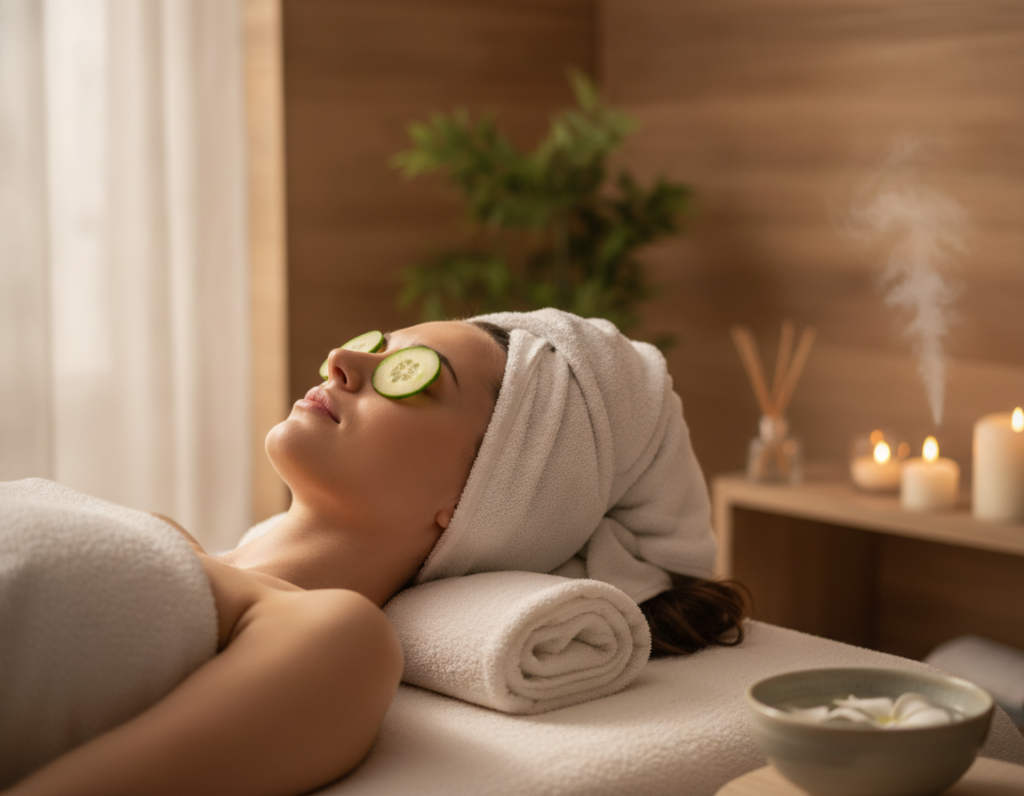
The classic cucumber eye treatment remains popular for good reason. Place chilled cucumber slices over closed eyes for 10 to 15 minutes. The cooling effect reduces puffiness while the nutrients nourish delicate eye area skin. This simple treatment provides visible results immediately.
For full-face hydration, blend half a cucumber and strain the juice. Mix this juice with equal parts aloe vera gel. Apply this mixture as a hydrating mask and leave for 20 minutes. Your skin will feel refreshed, plump, and deeply moisturized after rinsing with cool water.
Create a soothing after-sun treatment by pureeing cucumber with yogurt. Apply this cooling mixture to sun-exposed skin and leave for 15 minutes. The combination reduces inflammation, provides relief from burning sensation, and helps repair sun damage.
Oatmeal: Gentle Exfoliation and Skin Calming
Oatmeal offers uniquely gentle exfoliation suitable for all skin types, including sensitive skin. Unlike harsh scrubs that can damage the skin barrier, oatmeal provides mild yet effective removal of dead skin cells. This makes it perfect for those who need exfoliation but have reactive skin.
Colloidal oatmeal, which is finely ground oats, has been recognized as a skin protectant by dermatologists. It contains compounds called avenanthramides that have anti-inflammatory and anti-itch properties. These make oatmeal excellent for treating irritated skin, eczema, and psoriasis.
Why Oatmeal Works for Sensitive Skin
Oatmeal creates a protective barrier on skin that locks in moisture. This barrier function helps prevent water loss while shielding skin from irritants. For people with compromised skin barriers, oatmeal treatments can significantly improve skin health and comfort.
The saponins in oatmeal act as natural cleansers. These compounds gently remove dirt and oil without stripping skin of its natural protective oils. This makes oatmeal an excellent base for homemade cleansers that clean without causing dryness or irritation.
Oatmeal also helps balance skin pH levels. Proper pH balance is crucial for maintaining healthy skin function and preventing bacterial overgrowth. Regular use of oatmeal treatments can help restore and maintain optimal skin pH, especially after using alkaline products.
Oatmeal Face Treatment Recipes
For a basic exfoliating mask, grind plain oats into a fine powder using a food processor. Mix two tablespoons of oat powder with enough warm water to form a paste. Massage gently onto damp skin in circular motions, then leave for 10 minutes. Rinse with lukewarm water for soft, smooth skin.
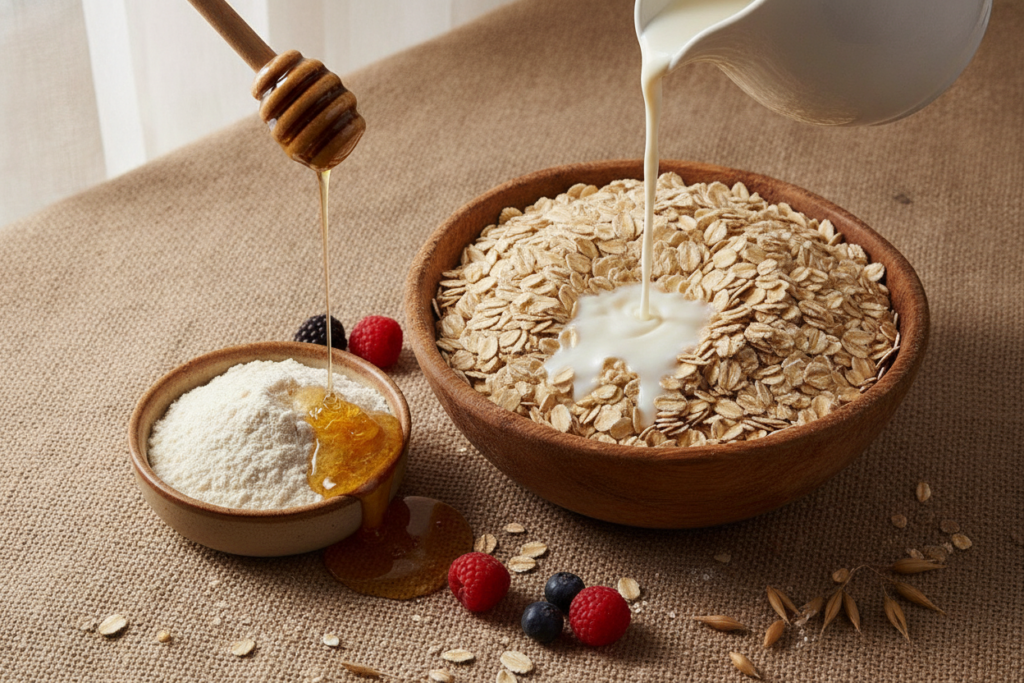
Combine oatmeal with honey and yogurt for a nourishing treatment that addresses multiple concerns. Mix one tablespoon each of ground oats, honey, and yogurt. This combination exfoliates, moisturizes, and soothes simultaneously. Apply to face and leave for 15 minutes before washing off.
For acne-prone skin, create an oatmeal and tea tree oil mask. Mix ground oatmeal with water to form a paste, then add 2-3 drops of tea tree oil. The oatmeal soothes inflammation while the oil fights bacteria. This gentle yet effective treatment won’t irritate sensitive, acne-prone skin.
Tea Tree Oil: Powerful Natural Acne Treatment
Tea tree oil has earned recognition as one of the most effective natural acne treatments available. This essential oil possesses strong antimicrobial properties that target the bacteria responsible for breakouts. Research shows it can be as effective as some conventional acne medications with fewer side effects.
The oil works by penetrating skin pores and disinfecting them from within. It kills acne-causing bacteria while reducing inflammation. This dual action makes tea tree oil particularly effective for treating active breakouts and preventing new ones from forming.
How to Use Tea Tree Oil Safely
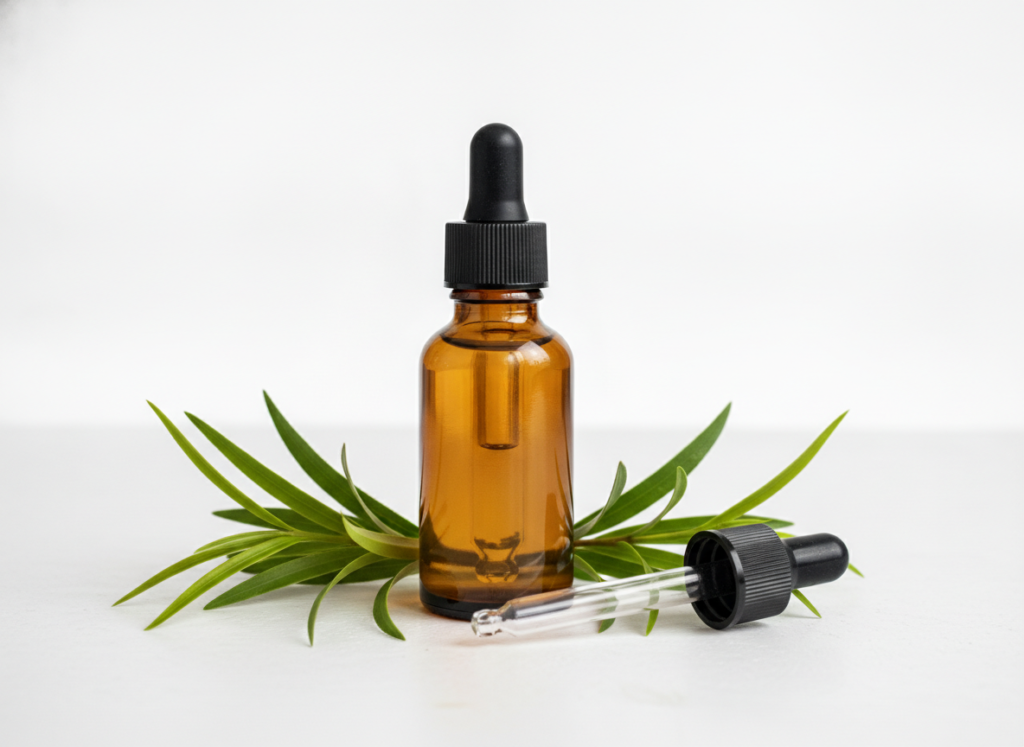
Never apply undiluted tea tree oil directly to skin. The concentrated oil can cause severe irritation, burning, and even allergic reactions. Always dilute it with a carrier oil such as jojoba, coconut oil, or aloe vera gel before application.
For spot treatment, mix one drop of tea tree oil with nine drops of carrier oil. Apply this diluted mixture directly to blemishes using a cotton swab. Use this treatment twice daily on active breakouts. Most people see improvement within a few days of consistent use.
Create a face toner by adding 5-10 drops of tea tree oil to half a cup of witch hazel or water. Store in a spray bottle and apply to clean face after cleansing. This toner helps prevent breakouts while controlling oil production throughout the day.
Tea Tree Oil Benefits
Kills acne-causing bacteria effectively
Reduces inflammation and redness
Controls excess oil production
Natural alternative to harsh chemicals
Helps prevent future breakouts
Can improve overall skin clarity
Considerations
Must be diluted to prevent irritation
Strong scent some find unpleasant
Possible allergic reactions in some people
Can cause dryness if overused
Not suitable during pregnancy without medical advice
Results may take several weeks
Advanced Combination Treatments for Maximum Results
Combining multiple natural ingredients often produces superior results compared to using single ingredients. Strategic combinations target multiple skin concerns simultaneously while enhancing each ingredient’s effectiveness. Understanding which ingredients work well together maximizes your home remedy success.
Powerful Ingredient Combinations
Mix aloe vera gel with vitamin E oil for an intensive nighttime treatment. Pierce a vitamin E capsule and blend the oil with two tablespoons of aloe vera. This combination provides deep hydration while supporting skin repair during sleep. Apply nightly for best results.
Combine honey, turmeric, and yogurt for a comprehensive brightening and healing mask. Use one tablespoon of honey, half a teaspoon of turmeric, and two tablespoons of yogurt. This trio addresses hyperpigmentation, inflammation, and texture simultaneously. Leave on for 15 minutes twice weekly.
Create a powerful acne-fighting serum using tea tree oil, aloe vera gel, and witch hazel. Mix 5 drops of tea tree oil with a quarter cup of aloe vera gel and a quarter cup of witch hazel. Store in a bottle and apply to clean skin before moisturizer. This combination fights bacteria, soothes inflammation, and controls oil.
Brightening Power Mask
Combine lemon juice, honey, and turmeric for ultimate brightening. Mix juice from half a lemon, one tablespoon honey, and quarter teaspoon turmeric. Apply to face, leave 10 minutes, wash with water. Use weekly for gradual dark spot fading.
Fades hyperpigmentation
Evens skin tone
Adds natural glow
Safe for most skin types
Hydration Boost Treatment
Blend cucumber, aloe vera, and glycerin for intense moisture. Puree half a cucumber, mix with two tablespoons aloe vera gel and one teaspoon glycerin. Apply as overnight mask for deeply hydrated, plump skin by morning.
Restores moisture balance
Plumps fine lines
Soothes dryness
Strengthens skin barrier
Anti-Aging Powerhouse
Mix aloe vera, vitamin E, and rosehip oil for age-defying benefits. Combine two tablespoons aloe vera, contents of one vitamin E capsule, and five drops rosehip oil. Apply nightly to target lines and support collagen production.
Reduces fine lines
Improves elasticity
Repairs sun damage
Promotes cell regeneration
Proper Exfoliation Techniques for Clear Skin
Exfoliation removes dead skin cells that accumulate on the skin surface. This buildup makes skin look dull and can clog pores, leading to breakouts. Regular exfoliation reveals fresh, glowing skin while improving the absorption of other skincare products.
There are two main types of exfoliation: physical and chemical. Physical exfoliation uses granular substances to manually scrub away dead skin. Chemical exfoliation uses acids or enzymes to dissolve the bonds holding dead skin cells together. Both methods can be done safely at home using natural ingredients.
Natural Physical Exfoliants
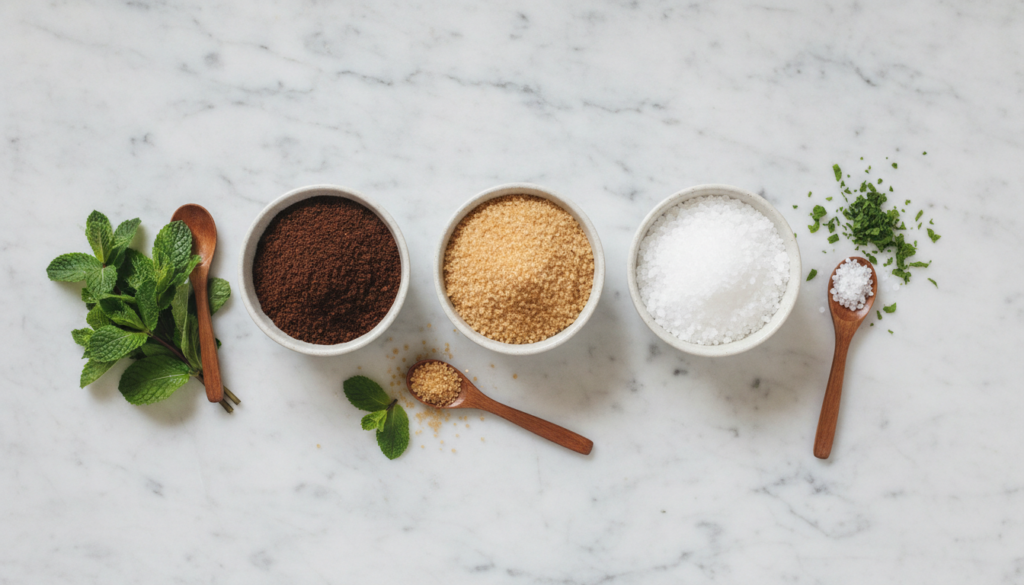
Sugar serves as an excellent gentle physical exfoliant. Its fine granules polish skin without causing micro-tears. Mix granulated sugar with coconut oil or honey for a nourishing scrub. Massage onto damp face using gentle circular motions for one minute, then rinse with lukewarm water.
Ground coffee makes an effective body exfoliant rich in antioxidants. Combine used coffee grounds with coconut oil for an energizing scrub. The caffeine temporarily tightens skin while the grounds remove dead skin cells. Use this on your body rather than face, as it may be too abrasive for delicate facial skin.
Baking soda offers deep exfoliation for very rough areas like elbows and heels. Mix one tablespoon of baking soda with enough water to form a paste. Gently scrub problem areas, then rinse thoroughly. Use sparingly, as baking soda can disrupt skin pH if overused.
Natural Chemical Exfoliants
Lactic acid from milk and yogurt provides gentle chemical exfoliation suitable for sensitive skin. Soak a cotton pad in milk and wipe across your face. Leave for five minutes before rinsing. The lactic acid dissolves dead skin cells without physical scrubbing.
Papaya contains enzymes called papain that digest dead skin proteins. Mash ripe papaya and apply to face as a mask. Leave for 10 minutes before washing with water. This enzymatic exfoliation is particularly gentle yet effective for all skin types.
Pineapple also offers enzymatic exfoliation through bromelain. Blend fresh pineapple and apply the pulp to face for 5 minutes. Rinse thoroughly with cool water. Don’t leave on longer, as pineapple is quite potent and can cause irritation with extended contact.
Exfoliation Schedule: Normal to oily skin can handle exfoliation 2-3 times per week. Dry or sensitive skin should exfoliate only once weekly. Always follow exfoliation with moisturizer to restore hydration and protect newly exposed skin cells.
Customizing Remedies for Your Specific Skin Type
Understanding your skin type is essential for choosing the most effective home remedies. Each skin type has unique characteristics and needs. Tailoring treatments to your specific type ensures better results while minimizing potential problems.
Oily Skin Solutions
Oily skin produces excess sebum, which can lead to shine and clogged pores. Focus on ingredients that control oil without stripping skin. Clay masks using bentonite or kaolin clay absorb excess oil effectively. Mix clay powder with water or apple cider vinegar for a balancing mask.
Witch hazel serves as an excellent natural toner for oily skin. Apply it after cleansing to tighten pores and control shine. The astringent properties help regulate oil production throughout the day without causing dryness.
For oily skin, lighter oils like jojoba actually help balance sebum production. Jojoba closely resembles skin’s natural oils, signaling your skin to produce less. Apply a few drops to damp skin instead of heavy moisturizers.
Dry Skin Treatments
Dry skin lacks sufficient moisture and oil, leading to tightness and flaking. Prioritize deeply hydrating ingredients like aloe vera gel, honey, and heavier oils. Coconut oil and olive oil provide the rich moisture dry skin needs.
Create an intensive overnight mask using mashed avocado, honey, and a few drops of olive oil. This combination delivers deep nourishment while you sleep. Your skin will feel significantly softer and more supple by morning.
Avoid harsh exfoliants that can damage dry skin further. Instead, use gentle options like oatmeal or enzymatic exfoliants from papaya. Limit exfoliation to once weekly and always follow with rich moisturization.
Combination Skin Approach
Combination skin features both oily and dry areas, typically with an oily T-zone and dry cheeks. This type requires targeted treatment of different zones. Apply oil-controlling ingredients to the T-zone and hydrating treatments to dry areas.
Use clay masks only on oily areas to avoid over-drying cheeks. Apply hydrating masks like honey and aloe vera to dry zones. This zoned approach addresses both concerns without creating new problems.
A balanced moisturizer like aloe vera gel works well for combination skin overall. It provides hydration without adding excess oil. Supplement with heavier creams on dry patches as needed.
Sensitive Skin Care
Sensitive skin reacts easily to products and environmental factors. Stick with gentle, soothing ingredients like cucumber, oatmeal, and pure aloe vera. Avoid potential irritants like lemon, strong essential oils, and harsh scrubs.
Always perform patch tests before trying new ingredients on sensitive skin. Apply a small amount to your inner arm and wait 24 hours. If no reaction occurs, the ingredient is likely safe for your face.
Keep sensitive skin routines simple with few ingredients. Complex combinations increase the risk of reactions. Focus on basic cleansing, gentle hydration, and protection from irritants.
Struggling to Find What Works for Your Skin Type?
Stop guessing and get a customized clear skin plan designed for your specific skin type, concerns, and lifestyle. Join thousands who’ve transformed their skin with personalized guidance.
Essential Lifestyle Factors for Maintaining Clear Skin
While topical treatments are important, lifestyle factors significantly impact skin health. Your daily habits either support or undermine your skincare efforts. Addressing these factors creates the foundation for lasting clear skin results.
Hydration and Diet Impact
Water intake directly affects skin hydration levels. Aim for at least eight glasses daily to maintain proper skin moisture. Well-hydrated skin appears plumper, more radiant, and heals faster from breakouts.
Your diet influences skin health through multiple pathways. Foods high in sugar and refined carbohydrates can trigger inflammation and worsen acne. Focus on whole foods rich in antioxidants, omega-3 fatty acids, and vitamins that support skin health.
Include plenty of fruits and vegetables in your diet. These provide vitamins A, C, and E that protect and repair skin. Fatty fish like salmon offer omega-3s that reduce inflammation. Nuts and seeds provide vitamin E and healthy fats for skin barrier health.
Sleep and Stress Management
Sleep is when your body repairs skin damage and produces new skin cells. Aim for 7-9 hours nightly to support optimal skin regeneration. Lack of sleep shows quickly in your complexion through dullness, dark circles, and increased breakouts.
Stress hormones like cortisol increase oil production and inflammation in skin. This can trigger or worsen acne, eczema, and other skin conditions. Practice stress management through meditation, exercise, or activities you enjoy.
Establish a consistent sleep schedule by going to bed and waking at similar times daily. This regularity supports your body’s natural rhythms, including skin cell turnover processes. Quality sleep is one of the most effective free skincare treatments available.
Sun Protection Importance
Sun damage is one of the leading causes of premature aging and hyperpigmentation. UV exposure breaks down collagen and elastin while triggering melanin production. Always wear sunscreen during daytime, even on cloudy days or when indoors near windows.
Look for mineral sunscreens with zinc oxide or titanium dioxide for a natural option. These physical blockers sit on skin’s surface reflecting UV rays rather than absorbing them chemically. Apply sunscreen as the last step of your morning routine, before makeup.
Complement sunscreen with physical protection like hats and seeking shade during peak sun hours. Remember that many home remedies, especially those containing citrus, increase sun sensitivity. Extra vigilance with sun protection is essential when using these treatments.
Foods That Support Clear Skin
Certain foods provide nutrients specifically beneficial for skin health and healing.
Fatty fish for omega-3 anti-inflammatory effects
Sweet potatoes for vitamin A and beta-carotene
Berries for antioxidants that fight free radicals
Green tea for polyphenols that protect skin
Habits to Avoid
Certain behaviors directly contribute to skin problems and should be minimized.
Touching your face frequently spreads bacteria
Smoking reduces blood flow and oxygen to skin
Excessive alcohol dehydrates and inflames skin
Sleeping with makeup clogs pores overnight
Exercise Benefits
Physical activity supports clear skin through multiple beneficial mechanisms.
Increases blood flow delivering nutrients to skin
Reduces stress hormones that trigger breakouts
Promotes better sleep for skin repair
Sweating helps flush toxins from pores
Hygiene Practices
Simple cleanliness habits make a significant difference in preventing skin problems.
Change pillowcases twice weekly minimum
Clean phone screens daily to prevent bacteria transfer
Wash makeup brushes and sponges regularly
Remove makeup before bed without exception
Building Your Personalized Clear Skin Routine
A consistent routine is key to achieving and maintaining clear skin with home remedies. The right sequence maximizes ingredient effectiveness while preventing product conflicts. Build your routine gradually, introducing one new element at a time.
Morning Routine Structure
Start with gentle cleansing using honey or oat-based cleanser. This removes overnight oil buildup without stripping skin. Massage the cleanser onto damp skin for 30 seconds, then rinse with lukewarm water and pat dry with a clean towel.
Apply a toner like diluted apple cider vinegar or witch hazel to balance pH and prep skin. Use a cotton pad or spray bottle for even application. This step tightens pores and removes any remaining impurities.
Follow with a light serum if needed, such as aloe vera gel or diluted tea tree oil for acne-prone skin. These targeted treatments address specific concerns. Apply to problem areas or all over face depending on your needs.
Finish with moisturizer appropriate for your skin type. Even oily skin needs moisture; choose lighter options like aloe vera. Dry skin benefits from richer choices like coconut oil mixed with aloe. Always end with sunscreen as your final morning step.
Evening Routine Sequence
Begin evening routine with oil cleansing to remove makeup and daily pollutants. Massage coconut oil or jojoba oil onto dry skin for one minute. Wipe away with a warm, damp cloth. This method effectively removes debris while nourishing skin.
Follow with a water-based cleanser like honey or gentle soap to remove remaining oil. This double cleansing ensures thoroughly clean skin without harsh stripping. Pat face dry gently with a soft towel.
Apply treatment masks or exfoliants 2-3 times weekly during your evening routine. These intensive treatments work best on clean skin when you have time for proper application. Choose treatments based on your current skin needs.
Apply your evening serum or treatment oil. Nighttime is ideal for heavier, more intensive products since you don’t need to worry about makeup application or sun exposure. Use this time for treatments with ingredients like turmeric or lemon that can cause temporary discoloration.
Finish with a nourishing night treatment or moisturizer. Your skin repairs itself during sleep, so providing adequate moisture and nutrients supports this process. Consider overnight masks once or twice weekly for extra nourishment.
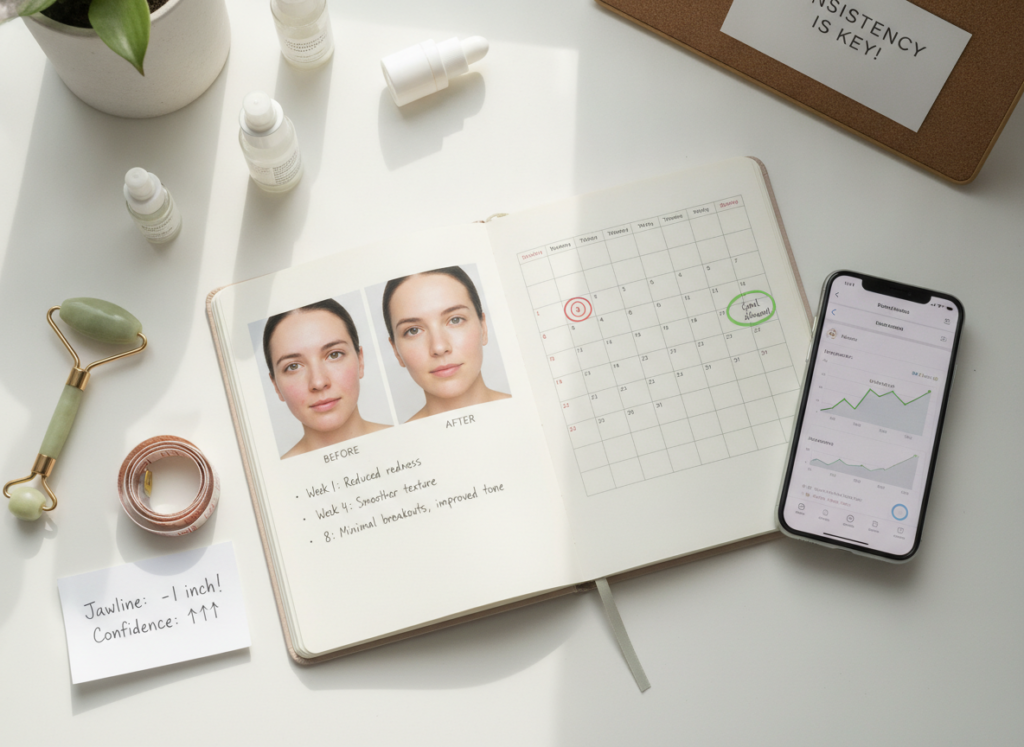
Consistency Is Key: Results from natural remedies typically appear after 4-6 weeks of consistent use. Don’t expect overnight miracles. Take photos to track progress, as gradual changes are harder to notice day-to-day. Stick with your routine for at least one month before deciding if it works for you.
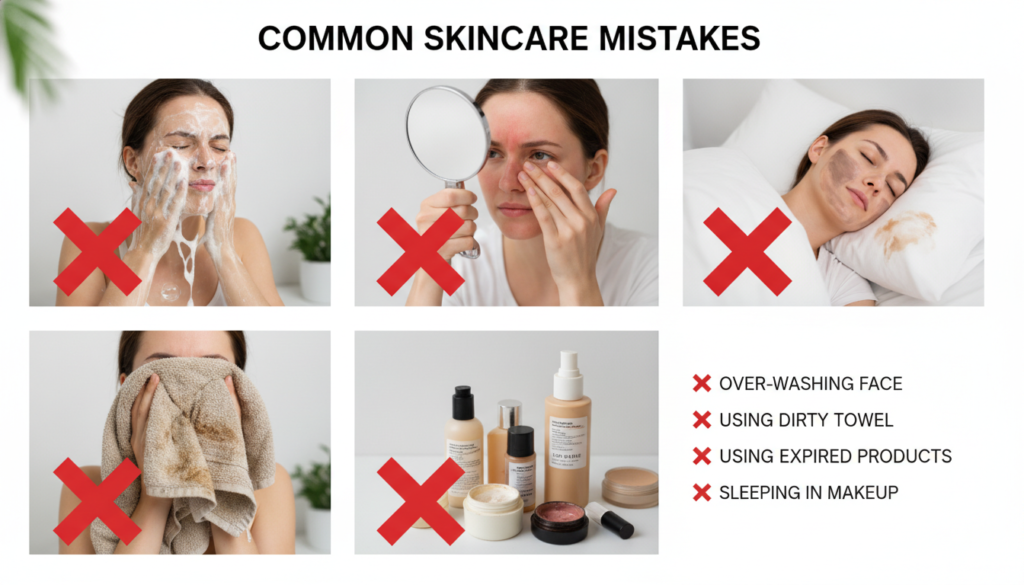
Common Mistakes That Sabotage Clear Skin Efforts
Even with good intentions, many people make errors that prevent clear skin success. Understanding these pitfalls helps you avoid wasting time and potentially damaging your skin. Small adjustments to your approach can significantly improve results.
Over-Cleansing and Harsh Treatment
One of the biggest mistakes is washing face too frequently or too aggressively. Over-cleansing strips away natural oils, causing skin to overproduce oil in compensation. This creates a cycle of oiliness and irritation. Wash face only twice daily using gentle, circular motions.
Using water that’s too hot strips skin of protective oils and can cause broken capillaries. Always use lukewarm water for cleansing and rinsing. Hot water feels satisfying but damages skin barrier function over time. Cool or lukewarm water is gentler and less inflammatory.
Scrubbing skin harshly with rough washcloths or aggressive exfoliants causes micro-tears and inflammation. This damage can lead to increased sensitivity, redness, and even scarring. Treat your face gently, using soft touches and appropriate exfoliation frequency for your skin type.
Impatience and Product Hopping
Switching products or remedies too quickly prevents you from seeing their true effectiveness. Natural ingredients require consistent use over weeks to show results. Give each new treatment at least four weeks before deciding it doesn’t work for you.
Using too many active ingredients simultaneously can overwhelm and irritate skin. Start with one or two key treatments and add more gradually if needed. This approach helps you identify what actually works rather than creating a confusing routine where you can’t pinpoint effective ingredients.
Expecting instant results from natural remedies leads to disappointment and giving up prematurely. Home remedies work more gently than pharmaceutical options, which means slower but often longer-lasting results. Patience is essential for natural skincare success.
Ignoring Individual Skin Needs
Following trends or others’ recommendations without considering your unique skin type causes problems. What works beautifully for oily skin might devastate dry skin. Always filter advice through the lens of your specific skin characteristics and concerns.
Failing to adjust your routine with seasons leads to issues. Skin needs more moisture in winter and lighter products in summer. Pay attention to how your skin feels and adapt your routine accordingly. This flexibility maintains skin health year-round.
Not patch testing new ingredients risks severe reactions. Always test new remedies on a small area first. Wait 24 hours to ensure no allergic reaction before applying to your entire face. This simple precaution prevents painful and potentially scarring reactions.
When Home Remedies Aren’t Enough: Professional Guidance
While home remedies effectively address many skin concerns, some situations require professional medical attention. Knowing when to consult a dermatologist prevents complications and ensures you receive appropriate treatment for serious conditions.
Signs You Need Professional Care
Severe, painful acne that doesn’t improve with home treatment may require prescription medication. Cystic acne, which appears as large, painful bumps deep under skin, often needs professional intervention. These deep infections can cause permanent scarring if not properly treated.
Sudden changes in existing moles or rapid growth of new spots warrant immediate medical evaluation. While most skin changes are harmless, some indicate serious conditions that need prompt attention. Never attempt to treat suspicious lesions with home remedies.
Skin conditions that persist despite consistent home treatment for several months should be evaluated. Persistent issues might indicate underlying health problems, allergies, or conditions requiring specific medical treatment. A dermatologist can diagnose the actual cause and recommend appropriate solutions.
Medical Emergency Signs: Seek immediate care for sudden severe rashes with fever, rapidly spreading redness with warmth and pain, or blistering that appears without cause. These symptoms may indicate serious infections or allergic reactions requiring urgent medical treatment.
Complementing Medical Treatment
Many dermatologists support using natural remedies alongside prescribed treatments. Always inform your doctor about any home remedies you’re using. Some natural ingredients can interact with medications or shouldn’t be combined with certain treatments.
If you’re prescribed topical or oral medications, ask your doctor how to incorporate them with your natural skincare routine. Often, gentler home remedies like aloe vera and honey can soothe skin while supporting medical treatments. This integrated approach may enhance overall results.
Follow prescribed treatment protocols exactly as directed while using home remedies for additional support. Don’t replace prescribed medications with natural alternatives without consulting your doctor. Some conditions genuinely require pharmaceutical intervention for safe, effective treatment.
Tracking Your Progress Toward Clear Skin Goals
Monitoring your skin’s improvement helps maintain motivation and identify what works best. Progress often happens gradually, making it difficult to notice day-to-day changes. Systematic tracking provides concrete evidence of your skincare success.
Effective Progress Monitoring Methods
Take consistent photos in the same lighting conditions weekly. Use natural daylight near a window for accurate color representation. Photograph your face from the same angle and distance each time. These photos reveal changes you might not notice in the mirror.
Keep a skincare journal documenting your routine, products used, and how your skin feels. Note any breakouts, improvements, or reactions. This record helps identify patterns between specific ingredients and your skin’s response. You’ll learn what truly works for your unique skin.
Rate your skin daily on a simple scale for different factors like oiliness, texture, clarity, and comfort. Use a 1-10 scale for each category. Over time, these ratings reveal trends and improvement. This objective measurement complements subjective feelings and photos.
Realistic Expectations and Timeline
Expect to see initial improvements within 2-4 weeks of consistent home remedy use. These early changes might include reduced redness, better texture, or improved hydration. Significant improvements in acne or hyperpigmentation typically require 6-12 weeks of dedicated treatment.
Skin cell turnover takes approximately 28 days in healthy skin. This means you won’t see the full effect of any treatment until your skin has gone through at least one complete renewal cycle. For deeper skin issues, multiple cycles are necessary for visible improvement.
Be prepared for an initial adjustment period when starting new treatments. Sometimes skin temporarily worsens before improving as it purges impurities and adjusts to new ingredients. This “purge” period typically lasts 1-2 weeks. If issues persist beyond this timeframe, reconsider the ingredient.
Ready to Accelerate Your Clear Skin Results?
While consistent home remedies work wonderfully, combining them with a proven system can dramatically speed up your transformation. Discover the exact protocols that have helped thousands achieve their clearest skin faster than they thought possible.
Your skin’s needs change throughout the year as environmental conditions shift. Temperature, humidity, and sun exposure all affect how your skin behaves. Adjusting your home remedy routine seasonally maintains optimal skin health year-round.
Summer Skincare Adjustments
Warmer weather increases oil production and sweating. Switch to lighter moisturizers like pure aloe vera gel instead of heavy oils. These provide hydration without feeling greasy or clogging pores in humid conditions.
Increase exfoliation frequency slightly to remove sweat and sunscreen buildup. Dead skin cells accumulate faster in summer due to increased sun exposure. Exfoliate 2-3 times weekly using gentle options like oatmeal or enzymatic treatments.
Focus on ingredients with natural SPF properties like raspberry seed oil or carrot seed oil. While these don’t replace proper sunscreen, they provide additional protection. Remember that sun exposure increases, making sun protection absolutely critical.
Winter Skincare Modifications
Cold air and indoor heating severely dry out skin during winter months. Switch to richer moisturizers like coconut oil or shea butter. Layer hydrating products, starting with lighter serums and finishing with occlusive oils to seal in moisture.
Reduce exfoliation frequency to prevent over-stripping already dry skin. Once weekly is often sufficient in winter. Focus more on hydrating and nourishing treatments like honey masks and avocado applications.
Use a humidifier in your bedroom to add moisture to dry indoor air. This environmental change supports your topical treatments by preventing moisture loss from skin. Proper humidity levels help maintain healthy skin barrier function.
Spring and Fall Transitions
Transitional seasons require gradual adjustment rather than sudden changes. As weather warms in spring, slowly incorporate lighter products. As it cools in fall, gradually add more nourishing treatments. This prevents shocking your skin with abrupt changes.
Spring is ideal for addressing winter damage like dryness and dullness. Focus on brightening treatments with lemon and turmeric. Gentle exfoliation reveals fresh skin that’s been hidden under winter’s dry layer.
Fall preparation involves building up your skin’s protective barrier before harsh winter. Increase use of fatty oils and deeply nourishing masks. This proactive approach prevents winter dryness rather than just treating it after it occurs.
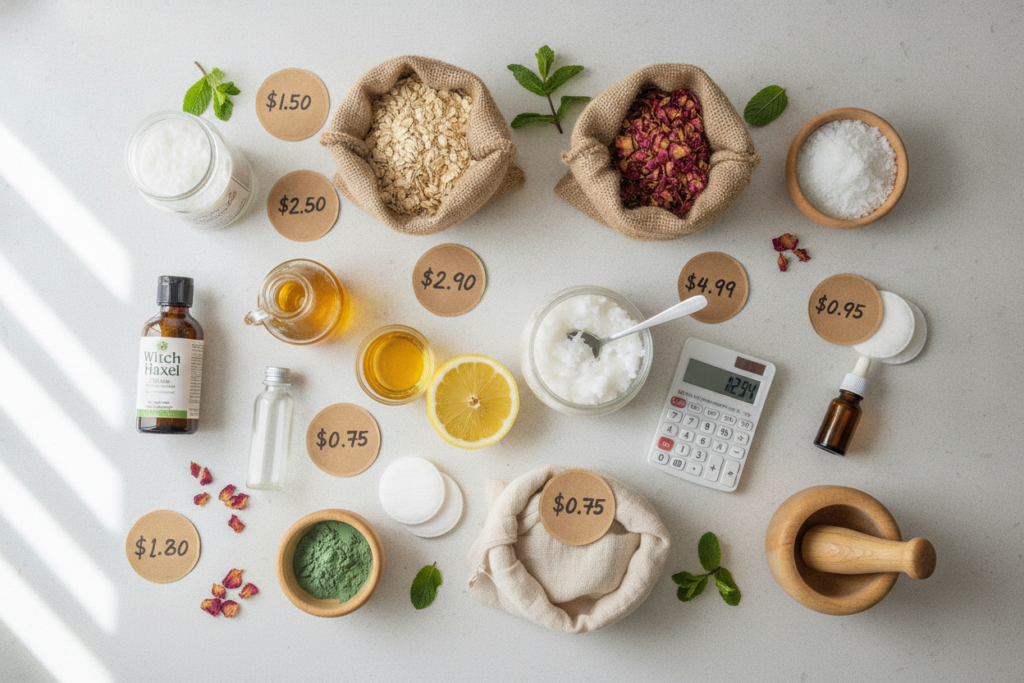
Achieving Clear Skin on Any Budget
One major advantage of home remedies is their affordability. Clear skin doesn’t require expensive products or professional treatments. Kitchen staples and simple natural ingredients provide effective solutions accessible to everyone.
Cost-Effective Ingredient Choices
Start with multipurpose ingredients that address multiple concerns. Honey serves as cleanser, moisturizer, and treatment mask. Coconut oil works as makeup remover, body moisturizer, and hair treatment. These versatile items maximize your investment.
Buy ingredients in bulk when possible to reduce per-use costs. Large containers of coconut oil, aloe vera gel, and honey last months with daily use. Store them properly in cool, dark places to maintain freshness and extend shelf life.
Grow your own skincare ingredients if space allows. Aloe vera plants are extremely easy to maintain and provide fresh gel indefinitely. Herbs like mint and chamomile can be grown on windowsills and used in skincare preparations. This approach costs pennies while ensuring ingredient freshness.
Maximizing Product Usage
Use smaller amounts than you think necessary. Most treatments require only a thin layer to be effective. Using excessive amounts doesn’t improve results but wastes product. A little goes a long way with most natural ingredients.
Repurpose kitchen ingredients for skincare before they spoil. Overripe bananas make excellent moisturizing masks. Yogurt nearing expiration works perfectly in skincare. This prevents food waste while providing free skincare ingredients.
Make DIY preparations in small batches to prevent waste. Fresh mixtures work best and don’t contain preservatives, so they don’t keep long. Prepare only what you’ll use within a few days to ensure maximum effectiveness and freshness.
Budget-Friendly Basics
Baking soda for exfoliation
Plain yogurt for lactic acid
Oatmeal for gentle cleansing
Sugar for body scrubs
Olive oil for dry skin
Apple cider vinegar as toner
Worth Investing In
Raw honey for multiple uses
Pure aloe vera gel
Coconut oil (multipurpose)
Tea tree essential oil
Quality turmeric powder
Witch hazel toner
Optional Upgrades
Rosehip oil for anti-aging
Vitamin E capsules
Manuka honey premium grade
Organic cold-pressed oils
Essential oil variety
Specialty clays and masks
Frequently Asked Questions About Clear Skin Home Remedies
How long does it take to see results from home remedies?
Most people notice initial improvements within 2-4 weeks of consistent use. Minor changes like better hydration or reduced redness may appear within days. Significant improvements in acne, scarring, or hyperpigmentation typically require 6-12 weeks of dedicated treatment. Remember that skin cell turnover takes approximately 28 days, so you need to complete at least one full renewal cycle before judging effectiveness. Patience and consistency are key to success with natural remedies.
Can I use multiple home remedies together?
Yes, combining complementary ingredients often enhances results. However, introduce one new ingredient at a time, waiting a week between additions. This approach helps identify what works and prevents overwhelming your skin. Some combinations work synergistically, like honey and turmeric for brightening, or aloe vera with tea tree oil for acne. Avoid mixing too many active ingredients simultaneously, as this can irritate skin. Start simple and add complexity gradually based on your skin’s response.
Are home remedies safe for sensitive skin?
Many home remedies are excellent for sensitive skin when chosen carefully. Gentle options include oatmeal, cucumber, honey, and plain aloe vera gel. Avoid potentially irritating ingredients like lemon, strong essential oils, and harsh physical exfoliants. Always perform a patch test before applying anything new to your face. Apply a small amount to your inner arm and wait 24 hours. If no reaction occurs, the ingredient is likely safe for your sensitive skin. When in doubt, stick with the mildest, most basic ingredients.
Why isn’t my skin improving despite using home remedies?
Several factors might prevent improvement. You may not be using remedies consistently or long enough for results to appear. Your skin type might need different ingredients than what you’re currently using. Over-treatment with too many products or too-frequent application can actually worsen skin. Underlying issues like hormonal imbalances, diet, or stress might require addressing beyond topical treatment. If you’ve used appropriate remedies consistently for 8-12 weeks without improvement, consult a dermatologist to rule out conditions requiring medical treatment.
Can home remedies completely replace commercial skincare products?
For many people, home remedies effectively address most skincare needs. They work particularly well for basic concerns like dryness, mild acne, and maintaining healthy skin. However, some situations benefit from commercial products, such as broad-spectrum sunscreen, which cannot be adequately replaced by natural options. Severe skin conditions might require pharmaceutical-grade ingredients. Most people find success with a hybrid approach: using home remedies as their foundation while incorporating specific commercial products for particular needs like sun protection or targeted treatments.
Do natural remedies work as well as expensive products?
Natural remedies can be highly effective for many skin concerns, often matching or exceeding expensive products’ results. The key difference is usually speed and convenience. Pharmaceutical-grade ingredients often work faster but may cause more side effects. Natural remedies work more gently, requiring patience but often producing longer-lasting results without irritation. High-end products offer convenience and elegant formulations, while home remedies require preparation but cost significantly less. Effectiveness depends more on using the right ingredients for your specific skin type and concerns than on price.
Your Clear Skin Journey Starts Today
Achieving clear, healthy skin through home remedies is entirely possible with the right approach. The natural ingredients discussed in this guide offer proven solutions for various skin concerns. From aloe vera’s healing properties to turmeric’s brightening effects, nature provides powerful tools for skin transformation.
Success requires consistency, patience, and willingness to customize treatments for your unique skin type. Remember that your skin took time to develop its current condition, and improvement will similarly require time. Trust the process and remain committed to your routine.
Start with a few basic ingredients that address your primary concerns. Build your routine gradually, adding new treatments only after mastering the fundamentals. This methodical approach prevents overwhelm while helping you identify what truly works for your skin.
Beyond topical treatments, remember that lifestyle factors significantly impact skin health. Proper hydration, nutritious diet, adequate sleep, and stress management all contribute to clear skin from within. A holistic approach combining home remedies with healthy habits produces the best, most sustainable results.
The journey to clear skin is personal and unique. What works perfectly for one person might not suit another. Pay attention to your skin’s responses and adjust accordingly. This attentiveness helps you become an expert on your own skin over time.
Armed with knowledge about effective natural ingredients and proper application techniques, you’re ready to transform your skin. The remedies shared here have helped countless individuals achieve their clearest, healthiest skin. Now it’s your turn to experience these benefits firsthand.
Transform Your Skin With Proven Natural Methods
You’ve learned the fundamentals of clear skin home remedies. Now take the next step with a comprehensive system designed to accelerate your results. Join thousands who’ve achieved their dream skin faster than they imagined possible.
Your clear skin journey doesn’t end here. Continue learning about your skin, experimenting with different natural ingredients, and refining your routine. With dedication and the natural remedies you’ve discovered, beautiful, clear skin is within your reach. Start today and watch your skin transform naturally.