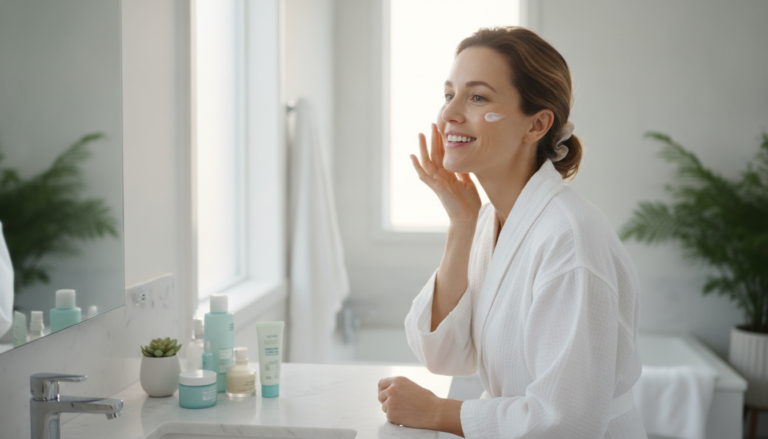
Homemade Face Mask for Acne Clear Skin: Easy DIY Recipes
Struggling with acne breakouts can feel overwhelming. Your skin deserves gentle care that actually works.
Natural face masks offer powerful solutions without harsh chemicals. These DIY recipes use simple kitchen ingredients to fight acne effectively.
Clear skin becomes achievable when you understand what your face truly needs. Let’s explore proven homemade remedies that transform acne-prone skin.
Understanding Acne and How Natural Face Masks Help Your Skin
Acne forms when pores become clogged with excess oil and dead skin cells. Bacteria trapped inside these pores cause inflammation and breakouts.
Your skin produces sebum naturally to stay moisturized. Too much sebum combined with bacteria creates the perfect environment for acne development.
Natural face masks work by addressing multiple acne causes simultaneously. They absorb excess oil while delivering antibacterial properties to fight breakouts.
Why Your Skin Responds to Natural Ingredients
Skin recognizes natural compounds more easily than synthetic chemicals. This recognition allows better absorption and gentler treatment.
Plant-based ingredients contain antioxidants that reduce inflammation naturally. These compounds calm irritated skin while promoting healing processes.
Chemical-free face masks minimize the risk of additional irritation. Sensitive acne-prone skin benefits from gentle natural approaches.
Ready to Transform Your Skincare Routine?
Discover the proven system that has helped thousands achieve clear, radiant skin naturally. Get expert guidance on creating your personalized acne-fighting regimen.
The Science-Backed Benefits of Homemade Face Masks for Acne
Research shows natural ingredients effectively combat acne without harsh side effects. Multiple studies confirm the antibacterial properties of honey and tea tree oil.
Homemade face masks deliver targeted treatment directly to problem areas. Active ingredients penetrate deeply when applied as concentrated masks.
Key Benefits for Acne-Prone Skin
Deep Pore Cleansing
Natural masks draw out impurities trapped deep within pores. This thorough cleaning prevents future breakouts effectively.
Removes excess sebum production
Unclogs blocked pores naturally
Eliminates dead skin cells buildup
Reduces blackhead formation
Antibacterial Protection
Many natural ingredients possess powerful antibacterial properties. These compounds eliminate acne-causing bacteria on contact.
Fights P. acnes bacteria naturally
Prevents bacterial growth cycle
Reduces infection risk significantly
Maintains healthy skin microbiome
Inflammation Reduction
Anti-inflammatory compounds soothe irritated skin quickly. This calming effect reduces redness and swelling noticeably.
Decreases facial redness rapidly
Calms painful cystic acne
Soothes sensitive skin reactions
Promotes faster healing processes
Gentle Exfoliation
Natural acids provide mild exfoliation without abrasiveness. This gentle removal reveals fresh healthy skin underneath.
Removes dull surface layer
Brightens overall complexion naturally
Smooths rough texture areas
Encourages cell turnover rate
Honey and Cinnamon Face Mask: Powerful Antibacterial Treatment
Honey contains natural antibacterial properties that fight acne-causing bacteria effectively. Raw honey works best for maximum therapeutic benefits.
Cinnamon enhances circulation while providing additional antimicrobial effects. Together these ingredients create a potent acne-fighting combination.
Ingredients You Need
2 tablespoons raw organic honey
1 teaspoon ground cinnamon powder
Optional: 1 teaspoon lemon juice for extra brightness
Step-by-Step Preparation Instructions
Mix honey and cinnamon in a small glass bowl thoroughly
Stir until you achieve a smooth consistent paste
Test mixture on inner wrist for potential sensitivity
Wait five minutes to check for adverse reactions
Cleanse face completely with gentle cleanser first
Pat skin dry with clean soft towel
Application and Timing Guidelines
Apply the mask evenly across affected areas using clean fingers. Cover all acne-prone zones including forehead, nose, and chin.
Leave the mixture on skin for fifteen to twenty minutes maximum. This duration allows active ingredients to work without over-drying.
Rinse thoroughly with warm water using gentle circular motions. Pat face dry and follow with your regular skincare routine immediately.
Why This Mask Works for Acne
Honey’s hydrogen peroxide content kills bacteria naturally and gently. This antibacterial action targets P. acnes specifically without harsh chemicals.
Cinnamon improves blood flow bringing fresh nutrients to skin cells. Enhanced circulation supports faster healing of existing blemishes and breakouts.
Both ingredients reduce inflammation that causes painful swollen pimples. Regular use diminishes redness and prevents new acne formation.
Maximize Your Results with Professional-Grade Ingredients
While homemade masks provide excellent benefits, pharmaceutical-grade natural formulations deliver even more powerful results. Discover scientifically-formulated acne solutions that combine the best natural ingredients with proven effectiveness.
Bentonite Clay Mask: Deep Pore Cleansing for Clear Skin
Bentonite clay absorbs excess oil and impurities from deep within pores. This volcanic ash derivative possesses unique electromagnetic properties for drawing out toxins.
Clay masks work exceptionally well for oily skin and large pores. The natural minerals in clay provide additional nourishment while cleaning.
Essential Ingredients and Tools
2 tablespoons bentonite clay powder
2 tablespoons filtered water or apple cider vinegar
1 teaspoon tea tree oil for enhanced antibacterial effects
Non-metal bowl and spoon (metal deactivates clay properties)
Proper Mixing Technique
Combine clay powder with liquid in a glass or ceramic bowl. Never use metal utensils as they interfere with clay’s beneficial properties.
Stir mixture until achieving a smooth yogurt-like consistency. Add more liquid if paste seems too thick for spreading.
Let mixture sit for two minutes before application. This resting period activates the clay’s absorption capabilities fully.
Application Best Practices
Cleanse face thoroughly removing all makeup and dirt
Apply clay mask in even layer avoiding eye area
Start application from center moving outward systematically
Keep mask slightly thick for optimal absorption power
Leave on for ten to fifteen minutes maximum
Remove before mask becomes completely dry and cracked
Rinse with warm water using gentle circular motions
Apply hydrating toner immediately to restore moisture balance
Understanding Clay Mask Benefits
Activated charcoal combined with bentonite clay creates superior cleansing power. This combination pulls impurities from pores more effectively than single ingredients.
Regular clay mask treatments reduce pore size visibility noticeably. Consistent use trains pores to stay tighter and cleaner long-term.
Clay naturally balances oil production without completely stripping skin. This equilibrium prevents the rebound oiliness common with harsh treatments.
Pro Tip: Use apple cider vinegar instead of water for added acne-fighting benefits. The natural acids in apple cider vinegar enhance clay’s antibacterial properties while balancing skin pH levels perfectly.
Aloe Vera and Tea Tree Oil Mask: Soothing Inflammation Relief
Aloe vera gel provides instant cooling relief to inflamed acne. This succulent plant contains over 75 active compounds that promote skin healing.
Tea tree oil delivers potent antibacterial effects against acne-causing bacteria. Studies show tea tree oil works as effectively as benzoyl peroxide without harsh side effects.
Gathering Your Ingredients
3 tablespoons pure aloe vera gel (fresh or store-bought)
5 drops tea tree essential oil
1 teaspoon jojoba oil for additional moisture
Optional: 1 vitamin E capsule for healing support
Extraction and Mixing Process
Extract fresh aloe vera gel by cutting leaf lengthwise. Scoop out clear gel avoiding the yellow latex layer beneath skin.
Blend aloe gel until completely smooth without any lumps. Add tea tree oil drop by drop while stirring continuously.
Mix thoroughly ensuring essential oil distributes evenly throughout gel. Uneven distribution may cause skin irritation in concentrated spots.
Application for Maximum Benefits
Apply mask generously to clean dry face focusing on problem areas. The cooling sensation provides immediate relief to irritated skin and inflamed breakouts.
Gently massage mixture into skin using upward circular motions. This massage technique enhances absorption while stimulating healthy circulation.
Leave mask on for twenty minutes allowing ingredients to penetrate deeply. Some people prefer leaving this gentle mask on overnight for intensive treatment.
Why This Combination Heals Acne
Aloe vera contains salicylic acid that helps unclog pores naturally. This gentle exfoliation removes dead skin cells without causing irritation or dryness.
The plant’s anti-inflammatory compounds reduce swelling and redness immediately. Gibberellins and polysaccharides in aloe promote rapid wound healing for existing blemishes.
Tea tree oil’s terpinen-4-ol component kills acne bacteria on contact. This natural antimicrobial works without contributing to antibiotic resistance issues.
Oatmeal and Yogurt Mask: Gentle Exfoliation and Moisture Balance
Oatmeal provides ultra-gentle exfoliation suitable for sensitive acne-prone skin. Colloidal oatmeal soothes inflammation while removing dead skin cells that clog pores.
Yogurt contains lactic acid that brightens and smooths skin texture naturally. Probiotics in yogurt support healthy skin microbiome balance preventing future breakouts.
Required Ingredients List
2 tablespoons finely ground oatmeal or colloidal oats
2 tablespoons plain unsweetened yogurt (full-fat works best)
1 teaspoon raw honey for antibacterial boost
Optional: few drops lavender oil for calming properties
Preparation Instructions
Grind regular oats in food processor until achieving fine powder consistency. Alternatively purchase pre-ground colloidal oatmeal from health stores or online retailers.
Mix ground oatmeal with yogurt until forming thick spreadable paste. Add honey and stir thoroughly ensuring all ingredients combine completely.
Allow mixture to sit for three minutes before applying. This waiting period lets oatmeal absorb liquid and activate its soothing compounds.
Application and Treatment Time
Wash face with lukewarm water and gentle cleanser
Pat skin slightly damp not completely dry
Apply thick layer of oatmeal mask evenly
Use gentle circular motions for light exfoliation
Cover all acne-prone areas including jawline and neck
Relax for fifteen to twenty minutes while mask works
Wet fingers and gently massage mask before rinsing
Rinse thoroughly with cool water for pore-tightening effect
Therapeutic Properties Explained
Oatmeal contains avenanthramides that reduce inflammation and itching significantly. These unique compounds found only in oats provide exceptional soothing benefits for irritated skin.
Beta-glucan in oats creates protective moisture barrier on skin surface. This barrier prevents water loss while allowing skin to breathe properly throughout day.
Lactic acid in yogurt gently dissolves dead skin cells naturally. This mild alpha hydroxy acid brightens complexion without irritation common with stronger acids.
Probiotics support beneficial bacteria that protect against harmful acne-causing strains. Maintaining healthy skin microbiome proves essential for long-term clear skin success.
Turmeric Face Mask Recipes: Anti-Inflammatory Powerhouse
Turmeric contains curcumin, a compound with remarkable anti-inflammatory properties. This golden spice has been used in Ayurvedic medicine for thousands of years treating various skin conditions.
Regular turmeric mask application reduces acne scarring and hyperpigmentation naturally. The spice’s antioxidants protect skin from environmental damage that worsens acne conditions.
Basic Turmeric Face Mask Formula
1 teaspoon turmeric powder (use sparingly to avoid staining)
2 tablespoons plain Greek yogurt or coconut milk
1 teaspoon fresh lemon juice
Few drops of olive oil for moisture
Advanced Turmeric Mask Variations
Create different turmeric masks targeting specific skin concerns effectively. Each variation addresses unique aspects of acne-prone skin while providing therapeutic benefits.
For Dry Acne-Prone Skin
1/2 teaspoon turmeric powder
1 tablespoon mashed avocado
1 tablespoon honey
1 teaspoon aloe vera gel
For Oily Acne-Prone Skin
1/2 teaspoon turmeric powder
1 tablespoon bentonite clay
1 tablespoon apple cider vinegar
3 drops tea tree oil
Application and Safety Guidelines
Mix turmeric carefully as it stains clothing and light-colored towels easily. Use old towels and wear something you don’t mind potentially staining during application.
Apply thin even layer focusing on active breakouts and problem zones. Thick application increases staining risk without improving therapeutic effects significantly.
Leave turmeric masks on for maximum ten to fifteen minutes only. Longer application times increase temporary yellow staining on fair skin tones.
Removing Turmeric Staining
Rinse face thoroughly with warm water first removing bulk of mask. Follow immediately with gentle oil-based cleanser to lift remaining turmeric pigment.
Use cotton pad soaked in milk to wipe away any yellow tint. Lactic acid in milk helps dissolve turmeric while moisturizing skin simultaneously.
Any remaining slight yellow tint fades completely within few hours naturally. This temporary coloring indicates the mask’s antioxidant compounds working effectively.
Enhance Your Natural Skincare Routine
While turmeric masks provide excellent anti-inflammatory benefits, combining natural remedies with scientifically-proven formulations accelerates your clear skin results significantly.
Lemon and Egg White Mask: Pore Tightening and Brightening
Egg whites tighten pores temporarily while absorbing excess oil effectively. The proteins in egg whites create a temporary firming effect on skin surface.
Lemon juice contains natural citric acid that brightens dark spots and acne scars. This vitamin C-rich ingredient promotes collagen production for healthier skin structure.
Ingredient Requirements
1 fresh egg white (room temperature works best)
1 tablespoon fresh lemon juice (bottled lacks potency)
Optional: 1/2 teaspoon witch hazel for astringent boost
Preparation Method
Separate egg white carefully avoiding any yolk contamination. Even small yolk amounts alter mask consistency and reduce effectiveness significantly.
Whisk egg white until slightly frothy but not stiff peaks. This aeration helps ingredients penetrate pores more effectively during application time.
Add lemon juice slowly while continuing to whisk mixture gently. The combination should remain liquid enough for easy spreading across face.
Application Instructions
Cleanse face thoroughly removing all dirt and makeup
Use clean fan brush or fingers for even application
Apply first thin layer allowing it to dry completely
Add second layer for maximum pore-tightening effect
Avoid smiling or talking while mask dries completely
Wait fifteen to twenty minutes until feeling tight pulling sensation
Wet face with warm water before gently peeling mask
Rinse remaining residue with cool water for pore closure
Important Safety Considerations
Always perform patch test before applying lemon juice to entire face. Citric acid can cause irritation or burning on sensitive or damaged skin.
Never apply this mask before sun exposure as lemon increases photosensitivity. Use only during evening skincare routine or when staying indoors afterward.
Discontinue use immediately if experiencing burning, excessive redness, or discomfort. Lemon’s acidity may be too strong for very sensitive skin types.
Expected Results Timeline
Immediate results include noticeably tightened pores and matte finish on oily areas. This temporary effect lasts several hours making it perfect before special events.
Regular weekly use gradually improves overall skin texture and tone consistency. Consistent application over four to six weeks shows significant improvement in acne scarring.
Brightening effects become visible after three to four applications typically. Patient consistent use yields best results for fading dark spots naturally.
Green Tea and Honey Mask: Antioxidant-Rich Acne Fighter
Green tea contains powerful antioxidants called catechins that fight acne effectively. EGCG, the primary catechin, reduces sebum production while killing acne-causing bacteria.
This mask combines green tea’s anti-inflammatory properties with honey’s antibacterial benefits. Together they create gentle yet highly effective treatment for acne-prone skin types.
Ingredients and Supplies
2 green tea bags or 1 tablespoon loose leaf tea
2 tablespoons hot water for brewing
1 tablespoon raw honey
1 tablespoon aloe vera gel for soothing boost
Brewing and Mixing Process
Steep green tea in hot water for five minutes creating concentrated brew. Strong tea concentration provides maximum antioxidant delivery to skin cells.
Allow tea to cool completely before mixing with other mask ingredients. Hot liquid destroys honey’s beneficial enzymes and reduces overall mask effectiveness.
Remove tea bags squeezing excess liquid back into bowl or cup. Mix cooled tea with honey and aloe creating smooth consistent paste.
Application Technique
Apply generous layer of green tea mask to cleansed damp skin. The slight liquid consistency allows easy spreading across all facial areas.
Pay special attention to zones with active breakouts or excess oil production. These problem areas benefit most from green tea’s sebum-regulating properties.
Leave mask on for twenty to thirty minutes allowing extended absorption time. This longer application period maximizes antioxidant penetration into deeper skin layers.
Antioxidant Benefits for Acne
Free radicals damage skin cells contributing to inflammation and breakouts. Green tea antioxidants neutralize these harmful molecules protecting skin from oxidative stress.
Studies show topical green tea application reduces sebum production by up to sixty percent. This oil control prevents pores from becoming clogged with excess sebum.
Anti-inflammatory compounds in green tea calm existing breakouts while preventing new ones. Regular use creates cumulative protective effect against acne triggers.
Science Fact: Research published in the Journal of Investigative Dermatology found that EGCG in green tea reduces P. acnes bacteria growth by 89% and decreases sebum production significantly when applied topically to acne-prone skin.
How Often to Use Face Masks: Finding Your Perfect Routine
Face mask frequency depends on your specific skin type and condition severity. Overuse can irritate skin while infrequent use limits effectiveness of natural treatments.
Most dermatologists recommend using face masks two to three times weekly maximum. This schedule provides therapeutic benefits without overwhelming or irritating sensitive acne-prone skin.
Recommended Frequency by Skin Type
Skin Type
Weekly Frequency
Best Mask Types
Special Considerations
Oily/Acne-Prone
3 times per week
Clay, charcoal, tea tree
Focus on oil control and deep cleansing
Combination with Acne
2-3 times per week
Honey, oatmeal, aloe vera
Multi-mask different zones
Dry with Breakouts
2 times per week
Honey, yogurt, avocado-based
Always follow with moisturizer
Sensitive Acne-Prone
1-2 times per week
Oatmeal, aloe vera, chamomile
Avoid acidic ingredients initially
Best Time of Day for Face Masks
Evening application proves most beneficial for intensive treatment face masks. Your skin repairs and regenerates primarily during nighttime sleep hours maximizing therapeutic effects.
Morning masks provide quick refreshing boost before makeup application when needed. Choose lighter formulas that won’t interfere with subsequent skincare routine or cosmetics.
Weekend extended treatments allow longer mask application times without time pressure. These relaxed sessions provide opportunity for deeper penetration and enhanced results.
Creating Your Personalized Mask Rotation
Rotate different mask types addressing various skin concerns throughout the week. This variety prevents skin adaptation while targeting multiple acne factors simultaneously.
Monday: Clay mask for deep pore cleansing after weekend
Wednesday: Honey mask for antibacterial treatment mid-week
Friday: Soothing aloe mask preparing skin for weekend
Sunday: Gentle oatmeal mask for weekly exfoliation and nourishment
Signs You’re Masking Too Frequently
Increased redness or irritation indicates over-treatment requiring immediate adjustment. Skin needs recovery time between intensive treatments for optimal health maintenance.
Excessive dryness or flaking suggests masks stripping natural protective oils excessively. Reduce frequency and incorporate more hydrating mask formulas into rotation schedule.
New breakouts appearing after starting mask routine may indicate skin overwhelm. Sometimes less frequent gentle treatments produce better results than aggressive daily protocols.
Optimize Your Skincare Timing
Understanding when and how often to treat your skin makes significant difference in results. Learn the science-backed strategies for maximizing your natural skincare routine effectiveness with personalized guidance.
Building a Complete Skincare Routine Around Face Masks
Face masks work best within comprehensive skincare routine addressing all acne factors. Isolated treatments provide limited benefits compared to complete systematic approach to clear skin.
Proper cleansing, treatment, and moisturizing create foundation for effective face mask results. Each step prepares skin for optimal ingredient absorption and therapeutic benefit maximization.
Morning Skincare Routine for Acne-Prone Skin
Gentle cleanser removing overnight oil and impurities buildup
Toning with witch hazel or rose water balancing pH
Lightweight serum containing vitamin C or niacinamide
Oil-free moisturizer providing hydration without clogging pores
Broad-spectrum SPF protecting against UV-triggered inflammation
Evening Skincare Routine With Face Masks
Oil-based cleanser removing makeup and sunscreen thoroughly first
Water-based cleanser ensuring complete deep cleansing second step
Chemical exfoliant two to three times weekly (not mask nights)
Face mask application on designated treatment nights as scheduled
Hydrating toner restoring moisture balance after mask removal
Treatment serum targeting specific concerns like acne scars or pigmentation
Night cream or facial oil sealing in all treatment benefits
Products That Enhance Mask Effectiveness
Gentle exfoliation before masking removes dead skin cells blocking ingredient penetration. This preparation allows active compounds to reach deeper skin layers more effectively.
Hydrating toners applied after masks restore moisture balance preventing tightness. They prepare skin for subsequent treatment serums ensuring maximum absorption and effectiveness.
Niacinamide serums complement natural masks by regulating oil production long-term. This vitamin B3 derivative reduces inflammation while strengthening skin barrier function significantly.
Essential Supporting Products
pH-balanced gentle cleanser (morning and night)
Alcohol-free hydrating toner
Niacinamide or vitamin C serum
Lightweight non-comedogenic moisturizer
Broad-spectrum mineral sunscreen SPF 30+
Chemical exfoliant with AHA or BHA (2-3x weekly)
Avoiding Product Conflicts and Over-Treatment
Never combine strong active ingredients on same treatment night causing irritation. Use retinol or acids on alternate nights from intensive face mask applications.
Allow twenty-four hours between aggressive treatments giving skin recovery time needed. Patience with gradual improvement prevents damage from overly enthusiastic treatment approaches.
Listen to your skin adjusting routine based on how it responds daily. Flexibility proves more effective than rigid adherence to prescribed routines ignoring feedback.
Transform Your Skincare Approach Completely
Building the perfect skincare routine requires understanding your unique skin needs and how different treatments work together synergistically. Get expert guidance on creating your customized clear skin system.
Following proper guidelines ensures safe effective results from natural face masks. Simple mistakes can reduce effectiveness or potentially cause skin irritation and damage.
Understanding these fundamental rules maximizes therapeutic benefits while protecting skin health. Knowledge prevents common pitfalls that discourage people from continuing beneficial natural treatments.
Critical Dos for Successful Face Masking
Do patch test every new ingredient on inner wrist before facial application
Do cleanse thoroughly removing all makeup and impurities before mask application
Do use fresh ingredients ensuring maximum potency and avoiding bacterial contamination
Do follow recommended timing as over-application causes irritation not better results
Do store properly refrigerating unused portions in airtight containers maximum three days
Do moisturize after every mask restoring hydration balance your skin needs
Do be consistent following regular schedule for cumulative long-term benefits
Do take photos tracking progress objectively over weeks and months
Important Don’ts to Avoid Problems
Don’t skip patch testing even with common ingredients as allergies develop unexpectedly
Don’t apply to broken skin or active wounds risking infection and irritation
Don’t leave masks on longer than recommended hoping for better results
Don’t use metal bowls with clay masks as metal deactivates beneficial properties
Don’t apply around eyes where delicate skin requires specialized gentle treatment
Don’t mix too many active ingredients risking unpredictable reactions and irritation
Don’t expect overnight miracles as natural treatments work gradually over time
Don’t ignore reactions continuing use despite redness, burning, or increased breakouts
Recognizing When to Stop or Adjust
Mild tingling during application indicates active ingredients working as intended normally. However, burning, stinging, or intense discomfort signals immediate mask removal necessity.
Temporary redness lasting under thirty minutes after removal proves normal and expected. Prolonged redness exceeding one hour suggests ingredient sensitivity requiring formula adjustment.
Increased breakouts after starting new mask might indicate purging or true reaction. Purging improves after two weeks while true reactions worsen requiring immediate discontinuation.
Signs Your Mask Works Well
Skin feels refreshed and clean after removal
Temporary mild tingling during application only
Gradual improvement in skin texture over weeks
Reduced oiliness without excessive dryness
Fewer new breakouts forming over time
Existing blemishes healing faster than usual
Warning Signs Requiring Changes
Intense burning or stinging sensation immediately
Redness lasting more than one hour
Increased dryness, flaking, or peeling excessively
New breakouts worsening after three weeks
Skin feeling tight and uncomfortable constantly
Visible irritation or rash development appearing
Proper Storage and Shelf Life of Natural Face Mask Ingredients
Proper ingredient storage maintains potency and prevents bacterial growth significantly. Natural ingredients lack preservatives requiring careful handling for safety and effectiveness.
Understanding shelf life prevents using expired ingredients that lose therapeutic benefits. Fresh potent ingredients deliver superior results compared to old degraded materials.
Dry Ingredient Storage Guidelines
Ingredient
Storage Method
Shelf Life
Signs of Expiration
Bentonite Clay
Airtight container, cool dry place
Indefinite if kept dry
Clumping, moisture presence
Oatmeal (ground)
Sealed container, pantry
6-12 months
Rancid smell, discoloration
Turmeric Powder
Dark airtight container
2-3 years
Faded color, weak aroma
Activated Charcoal
Sealed container, dry location
Indefinite
Moisture absorption
Wet Ingredient and Fresh Product Storage
Ingredient
Storage Method
Shelf Life
Signs of Expiration
Raw Honey
Room temperature, sealed jar
Indefinite (may crystallize)
Fermentation smell, bubbles
Aloe Vera Gel
Refrigerated, airtight container
1-2 weeks fresh, 2 years commercial
Color change, odor development
Plain Yogurt
Refrigerated, original container
7-14 days after opening
Mold, separation, sour smell
Lemon Juice (fresh)
Refrigerated, glass container
2-4 days
Cloudy appearance, off smell
Essential Oils
Dark glass bottle, cool place
1-3 years varies by type
Oxidized smell, consistency change
Pre-Mixed Mask Storage Rules
Store freshly mixed masks in refrigerator using clean airtight containers immediately. Maximum storage time reaches only two to three days for most natural combinations.
Label containers clearly with ingredients and preparation date for safety tracking. This organization prevents confusion and ensures freshness for every application consistently.
Never return unused mask from face back to storage container. This practice introduces bacteria compromising entire batch requiring immediate disposal for safety.
Use small glass jars with tight-fitting lids for storage
Write date and ingredients on masking tape label clearly
Store away from raw foods preventing cross-contamination risks
Discard after three days regardless of appearance for safety
Always use clean dry spoon removing needed portion
Natural Face Masks for Acne Scars and Dark Spots
Acne scars develop when inflammation damages skin’s collagen structure during healing. Different scar types require targeted approaches for effective natural treatment success.
Hyperpigmentation from acne appears as dark spots after breakouts heal completely. These marks fade gradually with consistent application of brightening natural ingredients.
Understanding Different Types of Acne Scarring
Atrophic scars appear as indentations where skin lost collagen during healing. Ice pick, boxcar, and rolling scars represent three common atrophic scar types.
Hypertrophic scars raise above skin surface from excess collagen production. These raised scars respond well to natural treatments targeting inflammation reduction.
Post-inflammatory hyperpigmentation leaves flat dark marks without texture changes. This discoloration fades faster than true scarring with appropriate natural treatments.
Vitamin C Brightening Face Mask
Vitamin C promotes collagen synthesis while fading dark spots through melanin inhibition. This powerful antioxidant accelerates skin renewal revealing fresher unblemished layers beneath.
Ingredients for Brightening
1 tablespoon fresh orange juice (vitamin C source)
1 tablespoon plain yogurt (lactic acid for exfoliation)
Mix all ingredients creating smooth paste without any lumps present. Apply to scarred areas leaving on for fifteen to twenty minutes maximum.
Use this brightening mask twice weekly for minimum eight weeks observing gradual improvement. Consistency proves essential for visible scar fading and dark spot reduction.
Collagen-Boosting Egg and Avocado Mask
Egg whites provide amino acids supporting collagen production naturally and effectively. Avocado delivers vitamins E and C promoting skin regeneration and healing processes.
Preparation Instructions
1 egg white whisked until slightly frothy consistency
2 tablespoons mashed ripe avocado (very smooth)
1 teaspoon lemon juice (vitamin C boost)
3 drops rosehip oil (scar-fading properties)
Blend ingredients thoroughly until achieving completely smooth uniform consistency. Apply thick layer to scarred areas gently massaging during application process.
Leave mask on for twenty-five minutes allowing deep penetration and absorption. This extended time maximizes collagen-supporting nutrient delivery to damaged skin layers.
Realistic Timeline for Scar Improvement
Surface hyperpigmentation shows noticeable fading within four to six weeks consistently. Dark spots lighten gradually becoming less obvious with patient regular treatment application.
Shallow scarring improves moderately over three to six months of dedicated treatment. Skin texture smooths while scar depth reduces slightly with persistent natural therapy.
Deep atrophic scars show minimal improvement from topical treatments alone realistically. These require professional procedures combined with supportive natural treatments for best results.
Important Realistic Expectation: Natural face masks improve mild to moderate scarring and hyperpigmentation effectively with consistent use. Severe scarring typically requires professional dermatological treatments like microneedling, laser therapy, or chemical peels for significant visible improvement. Combine natural home treatments with professional procedures for optimal comprehensive results.
Lifestyle Factors That Enhance Your Face Mask Results
Face masks provide external treatment while lifestyle choices affect skin internally simultaneously. Combining both approaches creates synergistic effects producing superior clear skin results.
What you eat, drink, and how you manage stress directly impacts acne severity. Supporting natural treatments with healthy habits accelerates improvement timelines significantly and noticeably.
Dietary Choices Affecting Acne and Skin Health
High glycemic foods spike insulin levels triggering increased sebum production directly. Reducing refined sugars and processed carbohydrates improves acne significantly for most people.
Dairy products contain hormones potentially exacerbating acne in sensitive individuals. Consider eliminating dairy for thirty days observing whether skin improves noticeably.
Omega-3 fatty acids reduce inflammation throughout body including skin tissues. Incorporate salmon, walnuts, and flaxseeds supporting skin’s natural healing processes effectively.
Foods Supporting Clear Skin
These nutrient-rich foods provide building blocks for healthy skin function and repair.
Fatty fish rich in omega-3s (salmon, mackerel, sardines)
Colorful vegetables high in antioxidants (carrots, bell peppers, spinach)
Probiotic foods supporting gut health (kimchi, sauerkraut, kombucha)
Engage hobbies providing mental relaxation and enjoyment
Sleep Quality and Skin Regeneration
Skin repairs and regenerates primarily during deep sleep stages nightly. Insufficient sleep disrupts these processes slowing healing and worsening inflammation significantly.
Aim for seven to nine hours quality sleep nightly for optimal results. Consistent sleep schedule regulates hormones affecting oil production and inflammation levels.
Sleeping on clean pillowcases prevents bacteria transfer to facial skin overnight. Change pillowcases every two to three days minimizing acne-causing bacterial exposure.
Exercise and Circulation Benefits
Regular exercise increases blood flow delivering oxygen and nutrients to skin. This enhanced circulation supports faster healing and healthier cell turnover rates.
Sweating during exercise helps flush toxins through skin pores naturally. Always cleanse face immediately post-workout preventing sweat and bacteria from clogging pores.
Exercise reduces stress hormones that trigger inflammatory acne breakouts significantly. Even moderate activity like walking provides measurable skin health benefits consistently.
Your Path to Clear Skin Starts Today
Homemade face masks offer gentle effective solutions for acne-prone skin naturally. These simple recipes use accessible ingredients delivering professional-quality results at home.
Consistency matters more than perfection when treating acne with natural methods. Start with one or two masks weekly building gradually as skin adjusts.
Remember that clear skin results from combined internal and external care approaches. Support your face mask routine with healthy lifestyle choices maximizing overall effectiveness.
Every skin journey differs requiring patience and personalized adjustments along the way. Track your progress through photos noting which recipes work best specifically.
Natural treatments provide sustainable long-term solutions without harsh chemical side effects. Your commitment to consistent care will reward you with healthier clearer skin.
Begin your transformation today with these proven homemade face mask recipes. Clear radiant skin becomes achievable through dedication, knowledge, and natural healing power.