Starting a tretinoin skin care routine can feel overwhelming. You’ve heard about the incredible results but worry about irritation, peeling, and getting the steps wrong. The truth is that tretinoin transforms skin when used correctly, but the wrong approach leads to unnecessary side effects.
This comprehensive guide walks you through building an effective tretinoin routine. You’ll discover how to apply tretinoin safely, which products to pair with it, and how to manage common challenges. Whether you’re battling acne or seeking anti-aging benefits, this routine delivers results.
Thousands of people have transformed their skin with tretinoin. The key lies in understanding this powerful retinoic acid and creating a routine that supports your skin through the adjustment period. Let’s start your journey to clearer, smoother, healthier skin.
Ready to Transform Your Skin?
Discover the complete tretinoin system designed specifically for beginners. Get expert guidance, proven routines, and personalized support to achieve the clear skin you deserve without the guesswork.
What Is Tretinoin and How Does It Transform Your Skin?
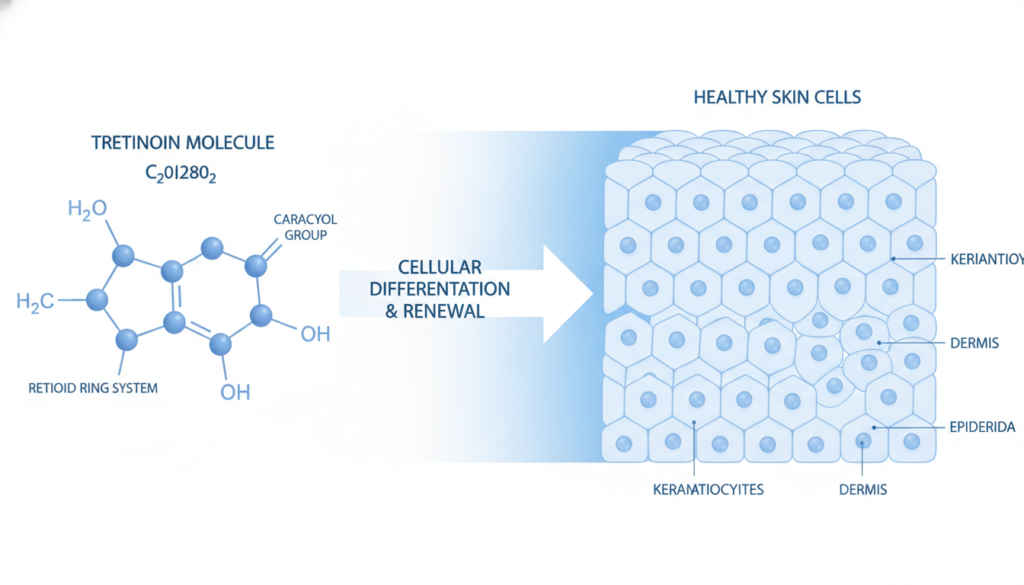
Tretinoin stands as the gold standard in prescription skincare. This powerful retinoic acid derivative works at the cellular level to accelerate skin renewal. Unlike over-the-counter retinol, tretinoin doesn’t require conversion in your skin, making it immediately active and significantly more effective.
The science behind tretinoin centers on cell turnover. Your skin naturally sheds dead cells and produces new ones. However, this process slows with age and can become irregular with acne. Tretinoin speeds up this cycle dramatically, pushing new healthy cells to the surface faster.
How Tretinoin Works in Your Skin
When you apply tretinoin, it penetrates deep into your skin layers. The retinoic acid binds to specific receptors in your skin cells, triggering a cascade of beneficial changes. This molecular interaction is what makes tretinoin so powerful for both acne and anti-aging.
Cell turnover increases significantly with regular tretinoin use. Dead skin cells that would normally linger for weeks get pushed out in days. This rapid renewal prevents clogged pores, reduces acne, and reveals fresher skin. The process also stimulates collagen production in deeper skin layers.
Tretinoin Benefits for Acne
Unclogs pores by preventing dead skin buildup
Reduces inflammatory acne lesions significantly
Prevents new breakouts from forming
Fades post-acne marks and hyperpigmentation
Normalizes skin cell production in follicles
Tretinoin Anti-Aging Effects
Reduces fine lines and wrinkles visibly
Improves skin texture and smoothness
Increases collagen production for firmness
Evens out skin tone and reduces dark spots
Thickens dermis layer for plumper skin
Different Tretinoin Strengths Explained
Tretinoin comes in several concentration options. Most dermatologists start patients on lower strengths to build tolerance. The standard concentrations include 0.025%, 0.05%, and 0.1%. Starting low minimizes irritation while your skin adjusts to increased cell turnover.
Beginners typically start with 0.025% tretinoin cream. This concentration delivers results while keeping side effects manageable. After several months, many people increase to 0.05% for enhanced benefits. The highest strength of 0.1% is reserved for those with established tolerance or severe skin concerns.
Results become visible around the three-month mark for most people. Acne improvements often appear sooner, sometimes within weeks. Anti-aging benefits take longer as collagen rebuilding occurs gradually. Patience proves essential because tretinoin works by fundamentally changing how your skin functions. For those seeking proven tretinoin systems that deliver consistent results, professional guidance makes the journey smoother.
Building Your Perfect Tretinoin Skin Care Routine
Creating an effective tretinoin routine requires strategic planning. The right sequence and product selection make the difference between smooth results and unnecessary irritation. Your routine needs to support your skin through the adjustment phase while maximizing tretinoin benefits.
A successful tretinoin skin care routine balances active treatment with protective support. You’ll use tretinoin at night when your skin repairs itself naturally. The morning routine focuses on protection and hydration. This day-night approach optimizes results while minimizing side effects.
Essential Products for Your Tretinoin Routine
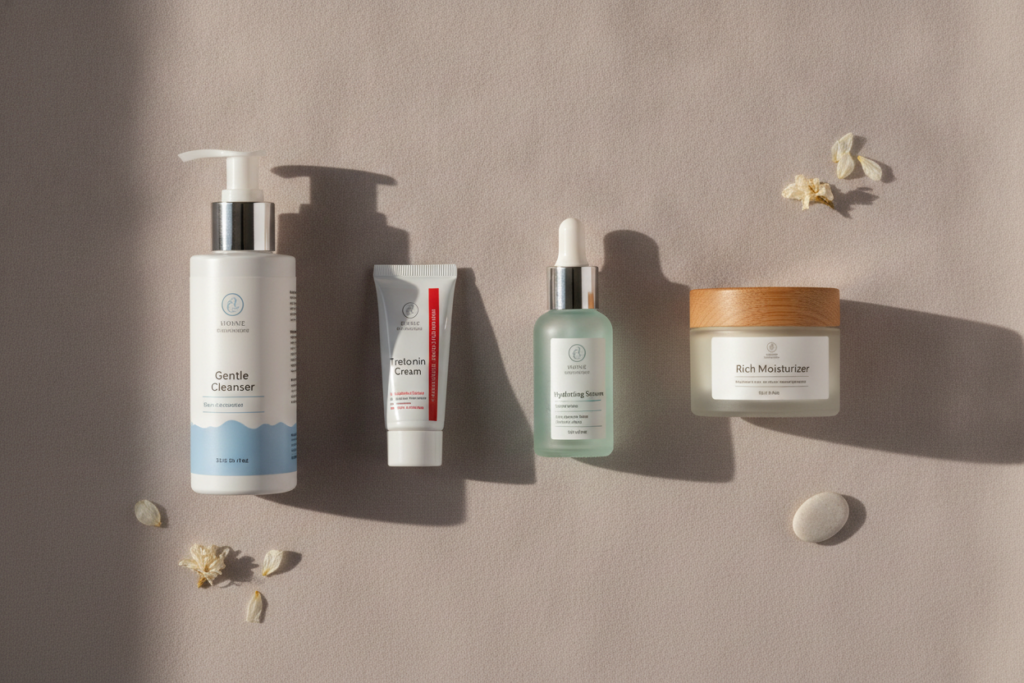
Building your routine starts with selecting compatible products. Not every skincare ingredient works well with tretinoin. Some combinations increase irritation unnecessarily. Other products provide essential support that makes using tretinoin comfortable and effective.
Gentle Cleanser
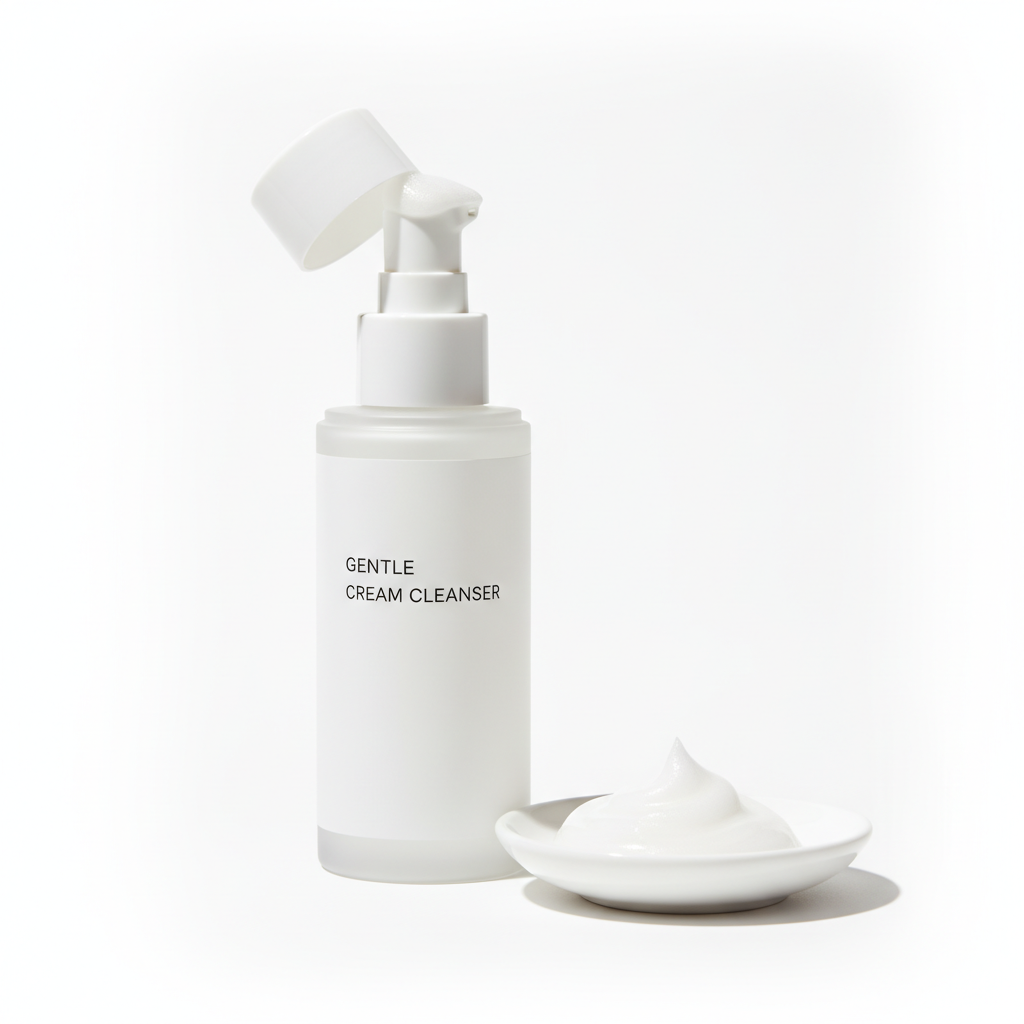
Choose a mild, non-foaming cleanser that removes dirt without stripping your skin. Avoid cleansers with acids, exfoliants, or harsh sulfates. Your cleanser should leave skin feeling soft, never tight or squeaky.
Cream or lotion-based formulas work best
pH-balanced to protect skin barrier
Free from fragrance and essential oils
Suitable for sensitive skin types
Hydrating Moisturizer
A rich moisturizer becomes your best friend on tretinoin. Look for ceramides, hyaluronic acid, and niacinamide. These ingredients repair your skin barrier and lock in hydration. Apply generously to combat dryness.
Contains barrier-repairing ingredients
Fragrance-free and non-comedogenic
Rich enough for night use
Layers well over tretinoin
Broad-Spectrum SPF
Sunscreen becomes non-negotiable when using tretinoin. Your skin will be more sensitive to sun damage. Choose SPF 30 or higher with both UVA and UVB protection. Mineral sunscreens with zinc oxide work well for sensitive tretinoin skin.
Minimum SPF 30, ideally SPF 50
Broad-spectrum UVA and UVB protection
Gentle formula for sensitive skin
Reapply every two hours when outdoors
Your Night Routine: How to Apply Tretinoin Correctly
Applying tretinoin correctly determines your success. The application method affects both results and side effects. Most irritation comes from incorrect application rather than tretinoin itself. Master these steps for smooth sailing through your tretinoin journey.
Cleanse Your Face Thoroughly: Wash your face with your gentle cleanser using lukewarm water. Remove all makeup, sunscreen, and daily buildup. Pat your skin completely dry with a clean towel. Wait 20 minutes after cleansing before applying tretinoin.
Apply a Pea-Sized Amount: Squeeze a pea-sized amount of tretinoin onto your fingertip. This small amount covers your entire face. More product doesn’t mean better results. Dot the tretinoin on your forehead, cheeks, and chin.
Spread Evenly Across Your Face: Gently spread the tretinoin in upward motions across your face. Avoid the eye area, corners of your mouth, and any broken skin. The skin around your eyes is too delicate for tretinoin application.
Wait Before Applying Moisturizer: Let the tretinoin absorb for 20-30 minutes. This waiting time ensures proper penetration. Some people prefer applying moisturizer immediately, but waiting typically reduces irritation for beginners.
Layer Your Moisturizer Generously: Apply your hydrating moisturizer over the tretinoin. Use more moisturizer than you think you need. Focus extra product around dry areas and the corners of your mouth. This step prevents excessive dryness.
Struggling to Get Your Tretinoin Routine Right?
Stop guessing and start seeing results. Get access to personalized tretinoin protocols, expert application techniques, and professional support that eliminates trial and error. Join thousands who’ve achieved clear skin faster with proven guidance.
Morning routines on tretinoin focus on two goals: hydration and protection. Your skin will be more vulnerable to sun damage while using tretinoin. The morning is also when you address any dryness from the night before. Keep mornings simple and soothing.
Simple Morning Tretinoin Routine
Rinse face with lukewarm water only (skip cleanser in the morning)
Apply hydrating serum if desired for extra moisture
Layer moisturizer while skin is still slightly damp
Wait 5 minutes then apply broad-spectrum sunscreen
Reapply SPF every 2 hours if spending time outdoors
Some people add a vitamin serum in the morning for extra benefits. Vitamin C serum pairs well with tretinoin when used at different times. The antioxidant protection complements tretinoin’s cell renewal. Just introduce new products slowly to monitor your skin’s response.
How Often Should You Apply Tretinoin?
Starting frequency determines your tretinoin success story. Too much too soon guarantees irritation and peeling. Going slow lets your skin build tolerance gradually. Most dermatologists recommend a phased approach that increases frequency over time.
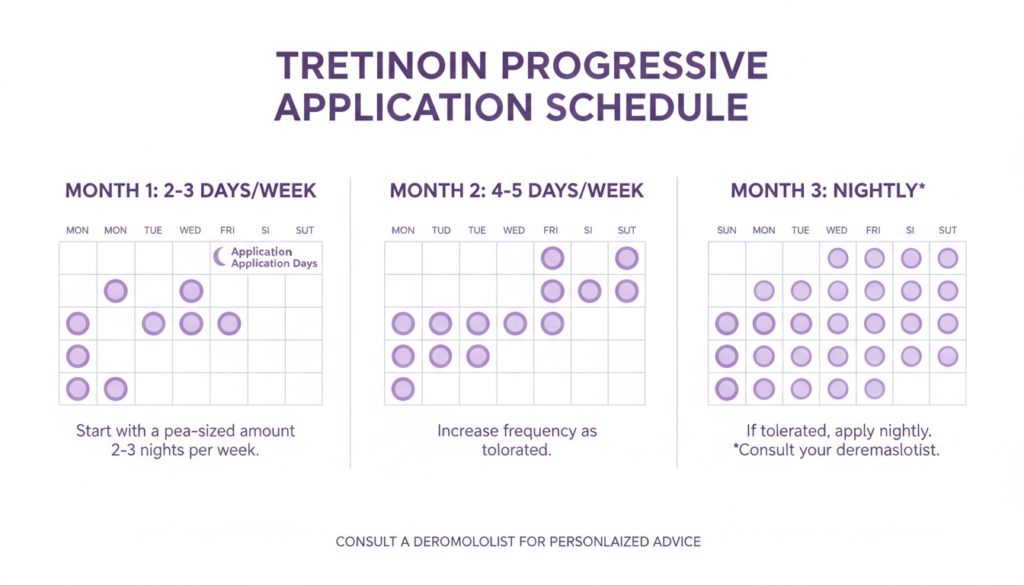
Begin using tretinoin just two nights per week. This conservative start protects your skin while it adjusts to increased cell turnover. Apply tretinoin night on Monday and Thursday, for example. Space applications evenly throughout the week. Your skin needs recovery time between applications initially.
The Gradual Introduction Schedule
Follow this proven schedule to build tretinoin tolerance safely. Each phase lasts about two to four weeks. Move to the next phase only when your skin shows no irritation at the current frequency. Some people progress faster while others need more time.
Phase
Frequency
Duration
What to Expect
Phase 1
2 nights per week
2-3 weeks
Minimal irritation, slight dryness possible
Phase 2
3 nights per week
2-3 weeks
Increased dryness, possible light peeling
Phase 3
Every other night
3-4 weeks
Skin adjusting, manageable side effects
Phase 4
5-6 nights per week
3-4 weeks
Minimal irritation, improved tolerance
Phase 5
Every night
Ongoing
Full tolerance achieved, optimal results
Adjusting Frequency Based on Your Skin Response
Your skin tells you when to increase or decrease frequency. Pay attention to these signals. Slight dryness and flaking are normal and manageable. Severe redness, burning, or cracking mean you’re pushing too hard. Pull back to a lower frequency if you experience intense irritation.
Some people never progress to every night application. Using tretinoin five nights per week still delivers excellent results. There’s no prize for using it daily if your skin doesn’t tolerate that frequency. Results matter more than frequency bragging rights.
Signs You’re Ready to Increase Frequency
No redness or irritation at current frequency
Dryness is minimal and manageable with moisturizer
Skin feels comfortable the day after application
You’ve maintained current frequency for 2-3 weeks
You’re not experiencing any burning sensation
When to Skip Tretinoin Night
Flexibility in your routine prevents problems. Some situations call for skipping your tretinoin application. Listen to your skin and adjust accordingly. Missing occasional nights won’t derail your progress.
Skip tretinoin if your skin feels raw or overly irritated. Take a break after professional treatments like waxing or chemical peels. Avoid using tretinoin on sunburned skin. If you’re experiencing active eczema or rosacea flares, pause tretinoin until your skin calms down.
Weather changes affect your tretinoin tolerance too. Winter’s harsh conditions might require reducing frequency temporarily. Your skin may handle every night in summer but need breaks during dry winter months. Adjust your schedule based on how your skin feels week to week.
Products That Work With Tretinoin (And What to Avoid)
Product selection makes or breaks your tretinoin experience. Some ingredients boost tretinoin benefits while others trigger unnecessary irritation. Knowing which products to combine and which to avoid saves your skin from setbacks. Strategic pairing optimizes your results safely.
The golden rule: simplify your routine when starting tretinoin. Your skin faces enough adjustment without introducing multiple new products. Strip back to basics for the first few months. Add complementary ingredients only after establishing tretinoin tolerance.
Best Ingredients to Pair With Tretinoin
Certain ingredients work synergistically with tretinoin. These companions enhance results while supporting your skin barrier. Introduce these helpers one at a time after your skin adjusts to tretinoin. Space new additions at least two weeks apart to identify any sensitivities.
Niacinamide (Vitamin B3)
Niacinamide strengthens your skin barrier remarkably. This gentle ingredient reduces inflammation and redness. It helps your skin retain moisture better. Many people use niacinamide in their morning routine while using tretinoin at night. The combination works beautifully for most skin types.
Start with 5% niacinamide concentration. Apply it in the morning after cleansing and before moisturizer. This vitamin also helps fade hyperpigmentation faster when combined with tretinoin. The two ingredients complement each other without competing.
Hyaluronic Acid
Hyaluronic acid becomes essential for tretinoin users. This humectant draws moisture into your skin like a magnet. It plumps your skin and reduces the appearance of dryness. Apply hyaluronic acid serum on damp skin for maximum benefit.
Layer hyaluronic acid under your moisturizer both morning and night. This ingredient causes no irritation and works immediately. Many people apply it before tretinoin and then again after tretinoin with their moisturizer. This sandwich method provides extra hydration support.
Ceramides
Ceramides repair and strengthen your skin barrier. These lipids exist naturally in your skin but deplete with age and tretinoin use. Replenishing ceramides through skincare prevents excessive dryness and irritation. Look for moisturizers containing ceramides.
Products with ceramide 1, 3, and 6 work best. Apply ceramide-rich moisturizers as your final step at night. This protective layer seals in tretinoin and prevents water loss. Your skin will feel noticeably more resilient with regular ceramide use.
Azelaic Acid
Azelaic acid complements tretinoin for acne and hyperpigmentation. This gentle acid brightens skin and fights acne-causing bacteria. Use azelaic acid in the morning while using tretinoin at night. The combination accelerates improvement for stubborn dark spots.
Start with 10% azelaic acid concentration. Apply it after your vitamin serum but before moisturizer. Wait at least three months on tretinoin before adding azelaic acid. This timing ensures your skin can handle both actives comfortably.
Need Help Choosing the Right Products?
Stop wasting money on products that don’t work with tretinoin. Get instant access to curated product recommendations, complete routine protocols, and expert guidance on building your perfect tretinoin-compatible skincare stack.
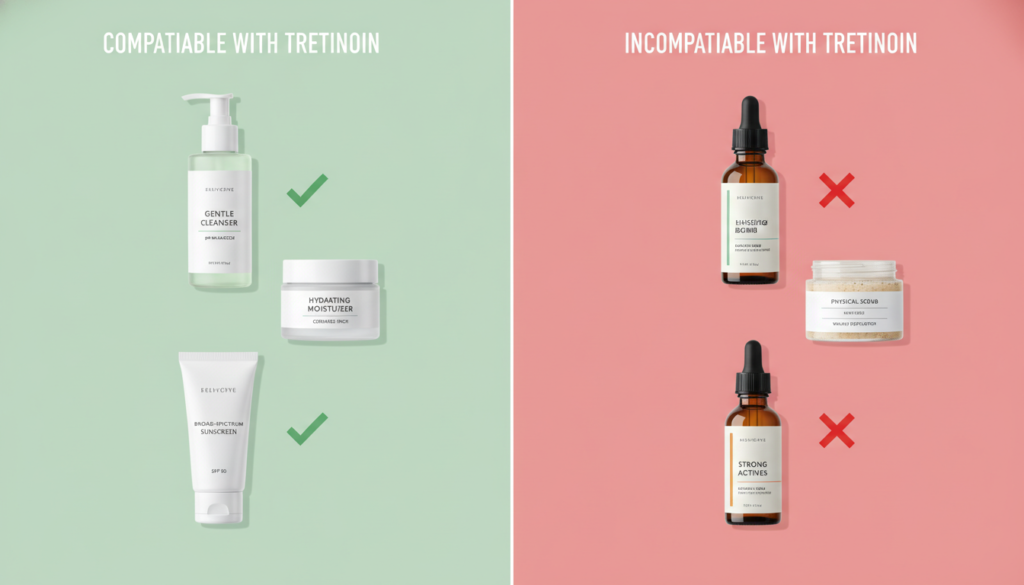
Some ingredients clash with tretinoin dramatically. These combinations create irritation storms that set back your progress. Avoid these troublemakers entirely during your first six months on tretinoin. Even experienced users should use caution with these actives.
Never Combine These With Tretinoin
Benzoyl Peroxide: Deactivates tretinoin and causes severe dryness when used together
Physical Scrubs: Mechanical exfoliation on top of tretinoin causes micro-tears and irritation
Vitamin C (L-Ascorbic Acid): Can be used but only in morning routine, never at night with tretinoin
Alpha Hydroxy Acids (AHAs): Glycolic and lactic acid over-exfoliate when combined with tretinoin
Other Retinoids: Never layer tretinoin with retinol or adapalene
Essential Oils: Irritate compromised skin barrier and cause unnecessary sensitivity
Smart Vitamin Serum Timing
Vitamin C deserves special mention because many people want to use it with tretinoin. The combination offers powerful anti-aging and brightening benefits. However, timing makes the difference between success and irritation. Never apply vitamin C and tretinoin simultaneously.
Use your vitamin serum exclusively in your morning routine. Choose L-ascorbic acid formulas between 10-20% concentration. Apply vitamin C on clean, dry skin before your moisturizer and sunscreen. The antioxidant protection enhances your SPF effectiveness while complementing tretinoin’s nighttime work.
Wait at least three months into your tretinoin journey before introducing vitamin C. Your skin needs established tolerance first. Start using vitamin C just two mornings per week initially. Gradually increase to daily use if your skin tolerates it well.
Managing Tretinoin Side Effects and Irritation
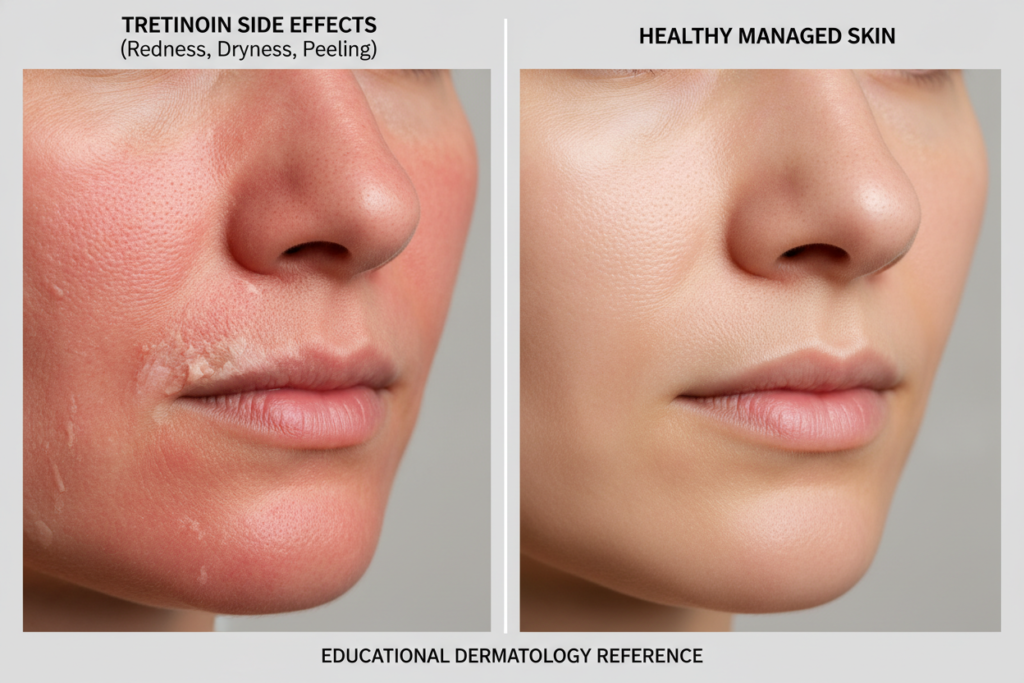
Side effects from tretinoin are common but manageable. Nearly everyone experiences some dryness, peeling, or redness when starting tretinoin. These reactions don’t mean tretinoin isn’t right for you. They signal that your skin is adjusting to increased cell turnover. Smart strategies minimize discomfort significantly.
The infamous “tretinoin purge” worries many beginners. This temporary worsening of acne happens because tretinoin accelerates skin cell turnover. Existing clogs come to the surface faster. The purge typically peaks around week four and resolves by week eight. Patience during this phase leads to clearer skin afterward.
Common Tretinoin Side Effects
Understanding what to expect helps you stay calm through the adjustment period. These side effects are temporary for most people. They typically improve significantly after the first three months as your skin builds tolerance. Proper management makes this transition much more comfortable.
Normal Side Effects (Manageable)
Mild dryness and flaking skin
Slight redness or pinkness
Increased skin sensitivity
Temporary acne purging
Tightness after cleansing
Minor peeling around mouth and nose
Signs to Reduce Frequency
Severe burning or stinging sensation
Widespread cracking or bleeding
Intense redness lasting days
Swelling or hives developing
Pain when applying moisturizer
Skin feeling raw constantly
Solutions for Dry Skin While Using Tretinoin
Dry skin tops the list of tretinoin complaints. Your skin produces less natural oil as cell turnover increases. The solution lies in strategic moisturization and protective layering. These techniques keep your skin comfortable without interfering with tretinoin effectiveness.
The Sandwich Method for Dry Skin
This technique dramatically reduces dryness for many tretinoin users:
Apply a thin layer of moisturizer to clean, dry skin
Wait 10 minutes for the moisturizer to absorb
Apply your tretinoin over the moisturizer layer
Wait 20 minutes for tretinoin absorption
Apply another generous layer of moisturizer on top
This method buffers tretinoin penetration slightly while maintaining effectiveness. Many dermatologists recommend this approach for sensitive or dry skin types. Results still appear but irritation decreases noticeably.
Targeting Specific Problem Areas
Certain face areas experience more irritation than others. The skin around your mouth, nose, and eyes is thinner and more sensitive. These zones need extra protection and careful tretinoin application. Strategic product placement prevents concentrated irritation.
Avoid applying tretinoin to the corners of your mouth entirely. This delicate area cracks and peels easily with tretinoin exposure. Apply extra moisturizer to the corners of your mouth before using tretinoin on the rest of your face. This protective barrier prevents product migration to sensitive spots.
The under-eye area should never receive direct tretinoin application. However, tretinoin migrates naturally during sleep. Combat this by applying a thick layer of eye cream or petroleum jelly around your eyes. This occlusive barrier blocks tretinoin from reaching delicate eye skin while you sleep.
Morning Solutions for Overnight Dryness
Wake up with dry, tight skin? These morning strategies provide relief:
Skip morning cleansing and just rinse with water
Apply hydrating essence or serum immediately
Layer moisturizer while face is still damp
Use facial oil over moisturizer for extra protection
Apply SPF after hydration layers set
Nighttime Protection Strategies
Prevent excessive dryness before it happens with these evening tips:
Wait 30 minutes after cleansing before tretinoin
Apply tretinoin to completely dry skin only
Use extra moisturizer on dry-prone areas
Consider slug over moisturizer for extreme dryness
Keep bedroom humidity levels comfortable
Struggling With Irritation and Side Effects?
Don’t suffer through tretinoin side effects unnecessarily. Access proven protocols, troubleshooting guides, and expert solutions that eliminate irritation while maintaining results. Get the support you need to succeed with tretinoin comfortably.
Most tretinoin side effects resolve with proper management. However, certain symptoms warrant professional consultation. Your dermatologist can adjust your prescription or recommend modifications to your routine. Don’t push through severe reactions hoping they’ll improve.
Contact your dermatologist if you experience persistent severe redness lasting more than a week. Seek advice if your skin develops hives, significant swelling, or signs of infection. Extreme pain when applying products also requires professional evaluation. These symptoms aren’t typical tretinoin adjustment and need assessment.
Tretinoin Results Timeline: What to Expect and When
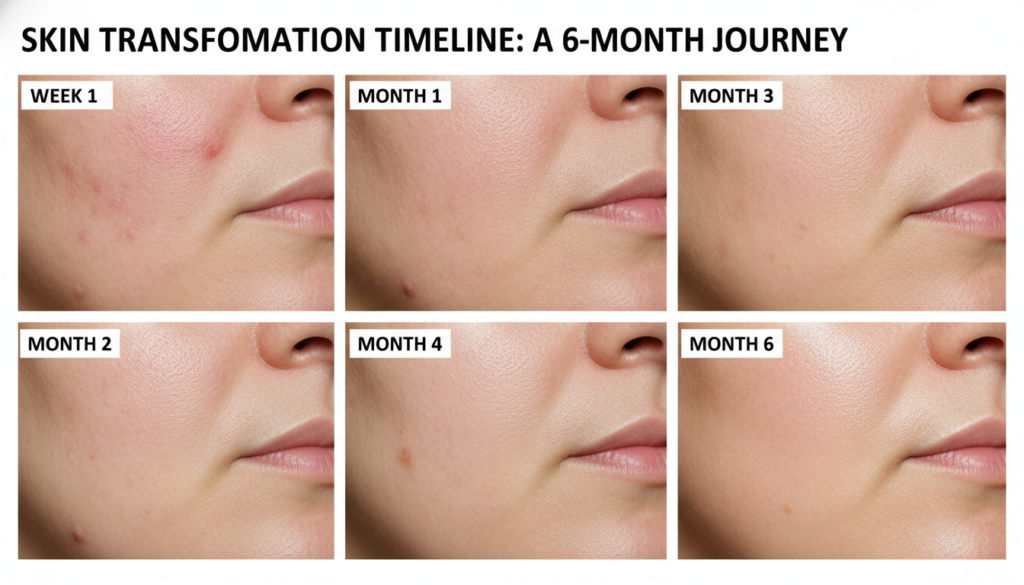
Patience becomes your greatest asset when using tretinoin. Results don’t appear overnight despite tretinoin’s power. Your skin undergoes fundamental changes at the cellular level. This transformation takes time but delivers impressive long-term improvements. Understanding the timeline prevents premature disappointment.
Most people see initial improvements around the three-month mark. However, the full tretinoin transformation takes six to twelve months. Some benefits appear sooner while others develop gradually. Consistency matters more than any other factor in achieving your desired results.
Week-by-Week Tretinoin Journey
Your tretinoin experience follows a predictable pattern. Individual variations exist, but most people progress through similar stages. Knowing what happens when helps you stay committed through challenging phases. The difficult early weeks lead to remarkable later months.
Timeline
What’s Happening
What You See
What to Do
Week 1-2
Initial adjustment phase begins
Minimal changes, possible slight dryness
Focus on gentle routine, moisturize well
Week 3-4
Cell turnover accelerates significantly
Increased dryness, possible purging starts
Add extra moisturizer layers, stay consistent
Week 5-8
Peak purge period for acne-prone skin
Temporary breakouts, flaking, redness
Don’t quit! This phase passes, manage irritation
Week 9-12
Skin begins adapting to tretinoin
First real improvements appear, smoother texture
Increase frequency if tolerated well
Month 4-6
Visible transformation accelerates
Clearer skin, reduced acne, brighter tone
Maintain routine, consider strength increase
Month 7-12
Deep collagen changes become visible
Fine lines soften, significant texture improvement
Continue maintenance routine for lasting results
Acne Results From Tretinoin
Tretinoin treats acne through multiple mechanisms. It unclogs pores, prevents new breakouts, and reduces inflammation. Acne improvements often appear before anti-aging benefits. However, the initial purge can test your patience significantly. Understanding this process helps you push through.
Active acne typically improves between months two and four. The purge brings existing clogs to the surface faster initially. This temporary worsening clears existing problems from your skin. After the purge resolves, new breakouts decrease dramatically. Your skin begins the clear phase around month three.
Post-acne marks and hyperpigmentation fade more gradually. Tretinoin accelerates the fading process through increased cell turnover. Dark spots lighten noticeably by month six. Complete fading of stubborn marks may take a full year. The wait proves worthwhile as marks disappear without additional treatments.
Anti-Aging Results Timeline
Anti-aging benefits develop more slowly than acne improvements. Collagen production increases gradually deep in your skin. Surface changes appear first while structural improvements take longer. Patience rewards you with genuine skin transformation rather than temporary cosmetic fixes.
Skin texture improves first among anti-aging benefits. Roughness smooths out and pores appear refined within three months. These changes result from consistent cell turnover and surface renewal. Your skin feels noticeably softer and looks more radiant during this early phase.
Fine lines begin softening around the four to six month mark. Deeper wrinkles take longer to improve, often requiring a full year of consistent use. The improvements come from increased collagen production in deeper skin layers. This structural change creates lasting results rather than temporary plumping.
4.7
Average Satisfaction After 6 Months
Acne Improvement
4.4/5
Texture Refinement
4.6/5
Skin Brightening
4.5/5
Fine Line Reduction
4.3/5
Overall Satisfaction
4.7/5
Maximizing Your Tretinoin Results
Several factors influence how quickly you see results. Consistency tops the list of result accelerators. Missing applications regularly delays improvements significantly. Use tretinoin as frequently as your skin tolerates without excessive irritation. Regular application maintains the cell turnover advantage.
Sun protection cannot be emphasized enough for tretinoin users. UV exposure damages your newly formed skin cells and reverses tretinoin benefits. Wearing SPF daily protects your investment in tretinoin treatment. Sun damage prevention allows tretinoin to work optimally without fighting constant UV-induced damage.
Lifestyle factors also impact your tretinoin results significantly. Adequate sleep supports skin repair and cell renewal. Proper hydration helps your skin maintain moisture despite tretinoin use. A balanced diet rich in antioxidants supports collagen production. These habits amplify tretinoin benefits considerably over time. For those seeking professional-grade tretinoin options with comprehensive support, expert resources accelerate your success timeline.
Advanced Tretinoin Tips for Better Results
Once you’ve established tretinoin tolerance, advanced techniques optimize your results further. These strategies work best after several months of consistent tretinoin use. Beginners should focus on basics first. Advanced users benefit from fine-tuning their approach for maximum effectiveness.
Experienced tretinoin users often experiment with strength increases. Moving from 0.025% to 0.05% or higher delivers enhanced results for some people. However, higher strength doesn’t automatically mean better outcomes. Some people achieve excellent results staying at lower concentrations indefinitely. Discuss strength changes with your dermatologist before making adjustments.
The Short Contact Method
This technique benefits people with very sensitive skin struggling to use tretinoin regularly. Short contact therapy involves applying tretinoin, waiting a specific time, then washing it off. You still get tretinoin benefits with reduced irritation. This method works particularly well for sensitive dry skin types.
Start with just five minutes of contact time. Apply tretinoin to clean, dry skin as usual. Set a timer for five minutes. Rinse thoroughly with lukewarm water and continue your normal routine. Gradually increase contact time by five-minute increments as tolerance builds. Some people successfully use 30-minute contact therapy indefinitely.
Short contact therapy isn’t as effective as overnight application for most people. However, it allows sensitive individuals to use tretinoin when they otherwise couldn’t. Results appear more slowly but consistently over time. This method beats not using tretinoin at all due to intolerance.
Strategic Retinoid Cycling
Some dermatologists recommend alternating between tretinoin and other retinoids. This cycling approach may reduce side effects while maintaining results. The strategy works especially well for people experiencing persistent irritation despite proper technique. Cycling gives your skin periodic breaks without completely stopping retinoid use.
One cycling approach uses tretinoin three nights per week and adapalene or retinol on alternate nights. This method maintains consistent retinoid exposure while varying intensity. Your skin gets treatment every night without the full impact of daily tretinoin. Many people find this approach more sustainable long-term.
Combining Tretinoin With Professional Treatments
Professional skincare treatments complement tretinoin beautifully when timed correctly. However, coordination becomes critical to avoid over-treating your skin. Always inform your aesthetician about your tretinoin use. Certain treatments require temporary tretinoin discontinuation while others work synergistically.
Safe Professional Treatments
Hydrafacials: Gentle treatments that hydrate and extract safely
LED Light Therapy: No interaction with tretinoin, reduces inflammation
Oxygen Facials: Hydrating treatments that support tretinoin skin
Enzyme Peels: Gentle exfoliation after pausing tretinoin 3 days
Treatments Requiring Tretinoin Breaks
Chemical Peels: Stop tretinoin 5-7 days before and after
Laser Treatments: Discontinue 2 weeks before, resume per provider
Microneedling: Pause 3-5 days before, wait 5-7 days to resume
Waxing: Stop 3-7 days before any facial waxing
Seasonal Adjustments to Your Tretinoin Routine
Weather changes affect how your skin responds to tretinoin. Cold winter air strips moisture from skin already compromised by tretinoin. Hot summer weather increases sun sensitivity concerns. Adjusting your routine seasonally prevents problems and maintains comfortable consistent use year-round.
Winter often requires reducing tretinoin frequency slightly. The combination of harsh weather and tretinoin can overwhelm your skin barrier. Consider using tretinoin every other night during peak winter months. Increase moisturizer application and add occlusive layers. Some people temporarily reduce tretinoin strength during winter.
Summer demands enhanced sun protection rather than routine changes. Your tretinoin frequency can often increase in summer when humidity helps prevent dryness. However, sun exposure becomes more dangerous on tretinoin. Reapply sunscreen diligently every two hours outdoors. Consider wearing protective clothing and seeking shade during peak sun hours.
Optimizing Tretinoin Absorption
Several factors influence how effectively tretinoin penetrates your skin. Maximizing absorption without increasing irritation requires strategic timing and application techniques. These optimization strategies help you get more from your current tretinoin strength before considering increases.
Skin pH affects tretinoin penetration significantly. Tretinoin works best in slightly acidic environments. Wait at least 20 minutes after cleansing before applying tretinoin. This waiting period allows your skin pH to normalize after washing. Rushing application on freshly cleansed skin reduces tretinoin effectiveness.
Completely dry skin accepts tretinoin better than damp skin. While damp skin helps other products penetrate, moisture interferes with tretinoin absorption. Pat your face completely dry after the post-cleanse waiting period. Even slight dampness dilutes tretinoin and can increase irritation without improving results.
Tretinoin Absorption Optimization Checklist
Cleanse with lukewarm water, never hot
Wait 20-30 minutes after cleansing before tretinoin
Ensure skin is completely dry to the touch
Apply tretinoin to a completely bare face
Use appropriate amount (pea-sized for full face)
Spread evenly without rubbing vigorously
Allow 20-30 minutes before applying moisturizer
Maintain consistent timing each night
Common Tretinoin Myths Debunked
Misinformation about tretinoin spreads quickly online. These myths discourage people from using tretinoin or cause them to use it incorrectly. Understanding the facts helps you make informed decisions about your tretinoin routine. Let’s separate truth from fiction about this powerful skincare ingredient.
Myth: More Tretinoin Means Faster Results
This common misconception leads to severe irritation unnecessarily. Using more than a pea-sized amount doesn’t accelerate improvements. Tretinoin works by binding to receptors in your skin cells. Once those receptors are occupied, additional tretinoin has nowhere to go. Excess product just sits on your skin surface causing irritation.
Using tretinoin more frequently than your skin tolerates also backfires. Over-application damages your skin barrier without speeding results. A damaged barrier actually slows your progress because you’ll need to reduce frequency or stop entirely while your skin heals. Consistency at a sustainable frequency beats aggressive over-application every time.
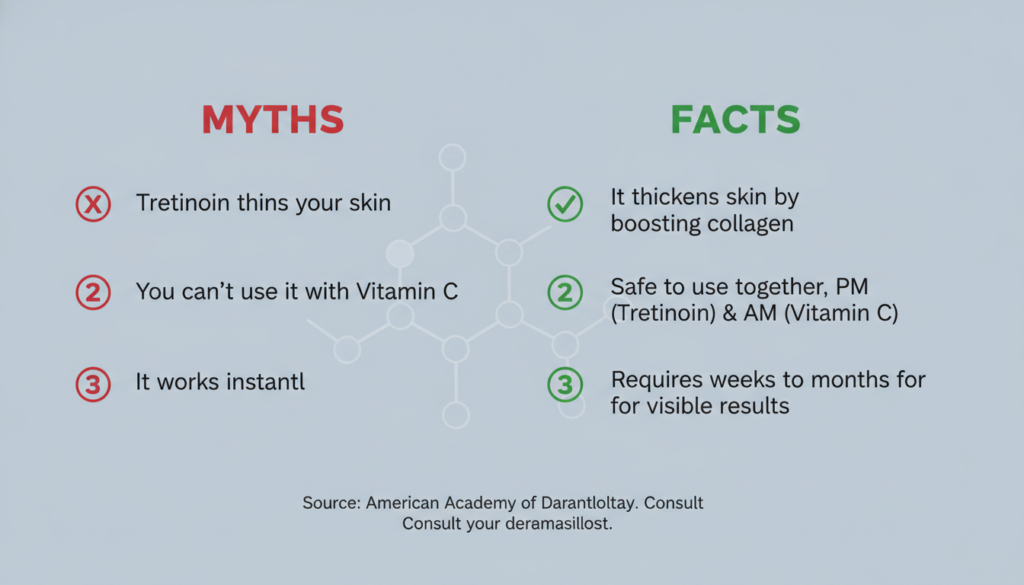
Myth: Tretinoin Thins Your Skin
This myth persists despite scientific evidence to the contrary. Tretinoin actually thickens your dermis layer over time. The dermis contains collagen and elastin that give skin its structure. Studies consistently show increased dermal thickness with long-term tretinoin use. Your skin becomes more resilient, not thinner.
The confusion comes from early side effects. Initial peeling and sensitivity make skin feel thin temporarily. However, this surface adjustment doesn’t reflect what happens in deeper skin layers. Once you adjust to tretinoin, your skin becomes stronger and more resistant to damage than before starting treatment.
Myth: You Must Experience Severe Irritation for Tretinoin to Work
No pain, no gain doesn’t apply to tretinoin. Severe irritation isn’t necessary for effectiveness. Some people experience minimal side effects and still achieve excellent results. The goal is finding your skin’s tolerance sweet spot where tretinoin works without causing excessive irritation.
Irritation indicates your skin is adjusting but doesn’t measure effectiveness. Two people can have identical results with vastly different side effect experiences. Gentle introduction and proper support products allow tretinoin to work comfortably. Suffering through severe irritation often leads to quitting before seeing results.
Myth: You Can’t Use Tretinoin Around Your Eyes
This partial truth needs clarification. You shouldn’t apply tretinoin directly to eyelids or under-eye areas. However, migration from nearby application provides gentle anti-aging benefits to eye areas. Many people successfully treat crow’s feet through this indirect exposure without applying tretinoin directly.
Apply tretinoin stopping about a half-inch away from your eyes. The product naturally migrates during sleep, delivering benefits to surrounding areas. This approach minimizes irritation risk while still improving fine lines around eyes. Some prescription tretinoin eye formulations exist for direct application under dermatologist guidance.
Myth: Tretinoin Results Are Temporary
Some people believe stopping tretinoin erases all benefits immediately. This myth discourages long-term commitment. The truth offers more nuance. Tretinoin produces both immediate and cumulative effects. Some benefits persist while others gradually diminish after discontinuation.
Structural improvements like increased collagen remain for years after stopping tretinoin. Your skin doesn’t instantly revert to its pre-tretinoin state. However, the accelerated cell turnover stops when you quit. Surface benefits like texture and brightness fade gradually over months. Most people choose to continue tretinoin indefinitely to maintain results.
Can I use tretinoin if I’m pregnant or nursing?
No, tretinoin is contraindicated during pregnancy and breastfeeding. This retinoid can cause birth defects when absorbed systemically. Stop using tretinoin immediately if you become pregnant. Discuss alternative safe skincare options with your dermatologist. Many doctors recommend resuming tretinoin after you finish breastfeeding.
Will tretinoin make my skin permanently sensitive to sun?
Tretinoin increases sun sensitivity only while you’re actively using it. This effect comes from increased cell turnover bringing newer, more vulnerable cells to the surface. Your normal sun tolerance returns after discontinuing tretinoin. However, you should wear sunscreen daily regardless of tretinoin use for overall skin health and cancer prevention.
Can teenagers use tretinoin for acne?
Yes, dermatologists commonly prescribe tretinoin for teenage acne. Tretinoin is safe and effective for adolescents when used properly. Teenagers often tolerate tretinoin well and see excellent results. However, prescription and supervision from a dermatologist remain essential. Parents should help monitor usage and manage any side effects during the adjustment period.
Does tretinoin work on deep wrinkles?
Tretinoin improves deep wrinkles but cannot eliminate them completely. The improvement depends on wrinkle depth, skin type, and usage duration. Fine lines respond dramatically while deep expression lines show moderate improvement. Combining tretinoin with other treatments like neurotoxins or fillers provides comprehensive anti-aging results. Realistic expectations prevent disappointment while acknowledging tretinoin’s significant wrinkle-reducing effects.
Can I use tretinoin with acne medication?
This depends on the specific acne medication. Tretinoin combines well with oral antibiotics and spironolactone. However, avoid combining tretinoin with benzoyl peroxide at the same time, as benzoyl peroxide deactivates tretinoin. Use these ingredients at different times or on alternating days. Always consult your dermatologist before combining tretinoin with other acne treatments to ensure safety and effectiveness.
Start Your Tretinoin Transformation Today
Your journey to transformed skin begins with a single application. Tretinoin has changed millions of faces worldwide over decades of proven use. This prescription retinoid delivers results that over-the-counter products simply cannot match. The science supports tretinoin as the gold standard for both acne treatment and anti-aging.
Success with tretinoin requires commitment and patience. The first months test your dedication as your skin adjusts. However, pushing through this adjustment period rewards you with remarkable long-term improvements. Your skin will look clearer, smoother, and more youthful than you thought possible with topical treatment alone.
Essential Steps to Begin Your Tretinoin Journey
Starting tretinoin correctly sets the foundation for success. Take these steps to ensure your tretinoin experience produces the results you want. Proper preparation prevents common mistakes that derail progress or cause unnecessary side effects.
Consult a Dermatologist: Obtain a proper prescription and starting strength recommendation based on your specific skin concerns and type.
Simplify Your Routine: Strip back to basic cleanser, moisturizer, and sunscreen before introducing tretinoin to isolate any reactions.
Start Low and Slow: Begin with the lowest concentration using it just twice weekly initially, gradually increasing frequency as tolerance builds.
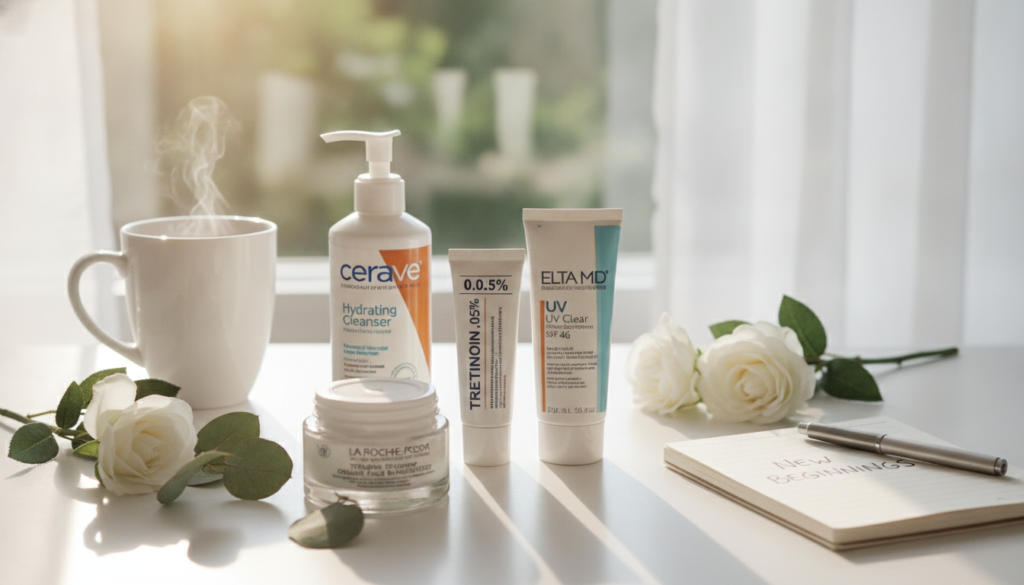
Invest in Quality Support Products: Purchase a gentle cleanser, rich moisturizer, and reliable broad-spectrum SPF before your first tretinoin application.
Set Realistic Expectations: Understand that significant results take three to six months of consistent use, with continued improvement over time.
Track Your Progress: Take photos monthly in consistent lighting to see improvements that occur gradually and might not be obvious day-to-day.
Commit to Consistency: Use tretinoin as frequently as your skin tolerates without extended breaks that reset your progress.
Making Tretinoin Part of Your Lifestyle
Long-term tretinoin success requires integrating it into your daily life sustainably. This medication works best with indefinite use rather than short-term trials. Think of tretinoin as a permanent addition to your skincare routine, like brushing teeth maintains dental health. Consistent use maintains and builds upon your results continuously.
Many people use tretinoin for years or even decades. Long-term users report their skin continues improving gradually over time. The anti-aging benefits compound as increased collagen production accumulates. Your skin at age 50 with years of tretinoin use will look dramatically better than it would have without treatment.
Building habits around tretinoin application ensures consistency. Apply tretinoin at the same time each night as part of your bedtime routine. Keep your tretinoin tube in a visible location so you don’t forget. Some people set phone reminders during the initial habit-formation period. Once established, tretinoin application becomes as automatic as washing your face.
Transform Your Skin With Professional Guidance
Stop struggling with tretinoin alone. Access comprehensive protocols, expert troubleshooting, product recommendations, and ongoing support that ensures your success. Join thousands who’ve achieved their best skin ever with proven tretinoin systems designed for real results.
Beyond physical improvements, tretinoin transforms how you feel about your skin. Many users report increased confidence as their complexion clears. You stop worrying about hiding breakouts or covering texture problems with makeup. Clear skin changes how you present yourself to the world.
The psychological benefits of tretinoin often surprise users. Improved skin affects many life areas positively. People report feeling more comfortable in social situations and professional settings. The confidence boost from clear skin extends far beyond simple vanity. Your skin affects how you feel about yourself fundamentally.
Years from now, you’ll look back grateful you started tretinoin when you did. The cumulative anti-aging benefits become more apparent with time. Your future self will thank your current self for beginning this transformative skincare journey. Every tretinoin night is an investment in better skin for decades to come.
Your Tretinoin Success Starts Now
You now have the complete roadmap for tretinoin success. This powerful retinoic acid can transform your skin when used correctly with patience and consistency. The journey requires commitment through the adjustment phase, but the destination of clear, youthful skin makes every step worthwhile.
Remember that tretinoin works gradually by fundamentally changing how your skin functions. Cell turnover increases, collagen production accelerates, and your skin renews itself more effectively. These changes take time but produce lasting results that topical products cannot replicate. Your dedication to proper tretinoin use will reward you with skin that looks and feels healthier for years.
Start slowly with twice-weekly application and build tolerance gradually. Support your skin with gentle cleansing, generous moisturizing, and diligent sun protection. Manage side effects with strategic techniques rather than giving up prematurely. Most importantly, stay consistent through the challenging first months when results aren’t yet visible.
The tretinoin skin care routine you’ve learned here has helped millions achieve their best skin. Your story can join theirs with proper application and realistic expectations. Trust the process, be patient with your skin’s adjustment, and commit to long-term use for maximum benefits.
Your clearer, smoother, more youthful skin awaits. Take the first step tonight by applying tretinoin correctly with the confidence that comes from understanding exactly what you’re doing and why. Every application brings you closer to the transformed complexion you deserve. Begin your tretinoin journey today and discover the remarkable skin you’ve always wanted.