Foods for Glowing Skin: Natural Diet Guide for Radiance
Your skin reflects what you feed your body. The secret to achieving that coveted glow isn’t hidden in expensive creams or complicated routines.
It lives in your kitchen.
Every bite you take either nourishes your skin or works against it. The foods you choose directly impact your complexion, texture, and overall appearance.
This comprehensive guide reveals the most powerful foods for glowing skin. You’ll discover exactly which nutrients your skin craves and how to incorporate them into your daily diet.
Science backs every recommendation here. These aren’t trends or fads but proven nutritional strategies that dermatologists and nutrition experts recommend.
Understanding How Foods for Glowing Skin Work
Your skin is your body’s largest organ. It requires specific nutrients to maintain its structure, protect against damage, and regenerate effectively.
The connection between diet and skin health isn’t mysterious. Your body uses vitamins, minerals, and other compounds from foods to build collagen, fight inflammation, and repair damage.
When you consistently eat foods rich in skin-supporting nutrients, you notice visible improvements. Your complexion becomes clearer, more even, and naturally radiant.
The Science Behind Skin Nutrition
Research published in dermatology journals confirms that nutrition significantly affects skin appearance. Studies show that antioxidants help protect skin from environmental damage.
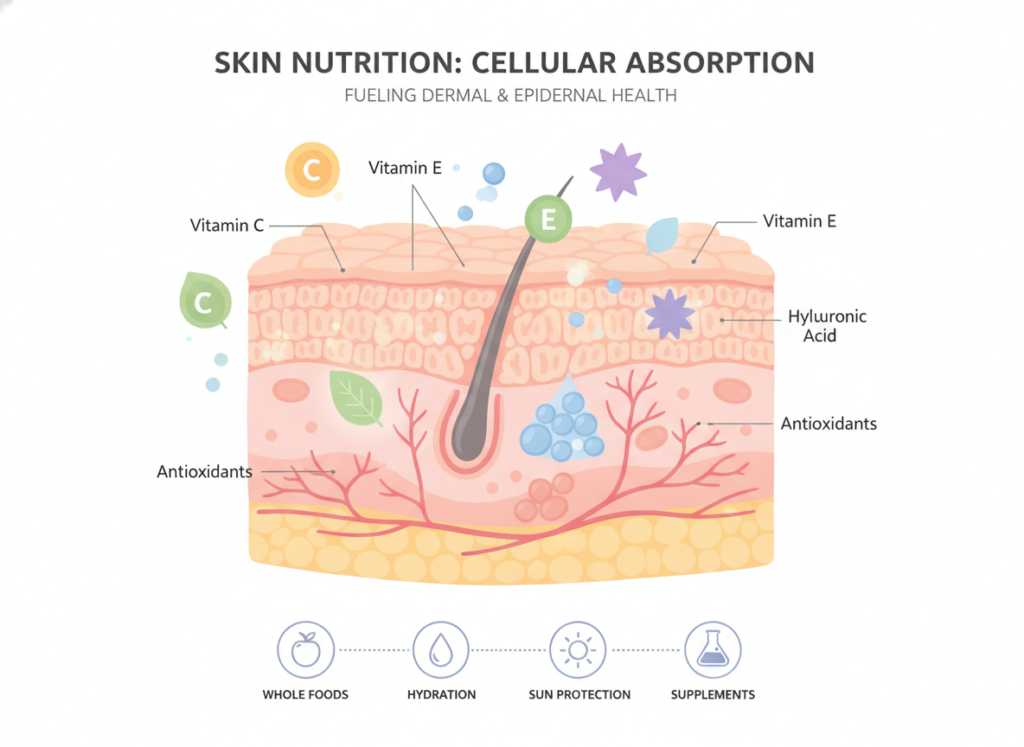
Vitamins like A, C, and E play crucial roles in skin cell production and repair. Essential fatty acids maintain the skin barrier and keep moisture locked in.
Your skin cell turnover happens constantly. New cells need proper nutrition to develop correctly and function optimally.
Key Nutrients Your Skin Needs
Antioxidants
These compounds fight free radicals that cause premature aging and damage. Antioxidants help protect skin from sun exposure and environmental pollutants.
Vitamin C for collagen production
Vitamin E for cell protection
Beta-carotene for skin repair
Selenium for damage prevention
Essential Fatty Acids
Omega-3 fatty acids reduce inflammation and keep skin supple. These fats maintain the protective barrier that prevents moisture loss.
Omega-3 for inflammation control
Omega-6 for skin barrier function
Healthy fats for nutrient absorption
Lipids for moisture retention
Proteins and Amino Acids
Your body builds collagen and elastin from protein. These structures give skin its firmness and elasticity.
Collagen for skin structure
Elastin for flexibility
Amino acids for repair
Keratin for protection
Vitamins and Minerals
Micronutrients support countless skin functions. From cell production to damage repair, vitamins keep your complexion healthy.
Vitamin A for cell turnover
Zinc for healing
Vitamin D for skin renewal
B vitamins for overall health
Transform Your Skin From Within
Discover the complete nutrition system that celebrities and beauty experts use to achieve naturally radiant, glowing skin without expensive treatments or complicated routines.
Fatty Fish and Omega-3 Fatty Acids for Skin Health
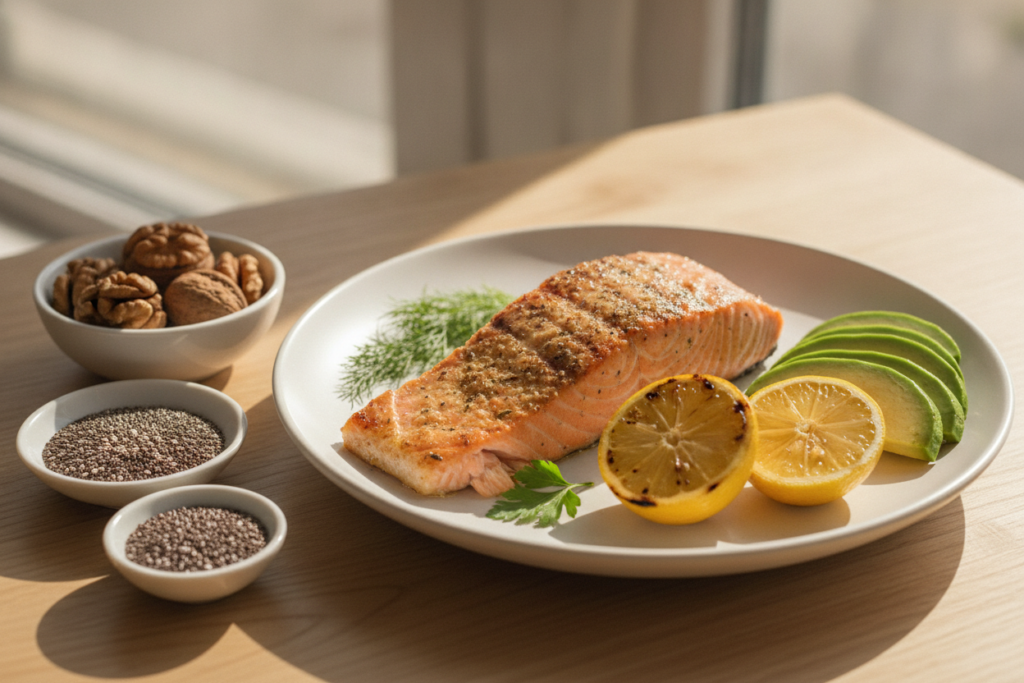
Fatty fish ranks among the most powerful foods for glowing skin. These ocean treasures contain omega-3 fatty acids that your skin desperately needs.
Salmon, mackerel, sardines, and herring provide exceptional benefits. They deliver both nutrition and visible results when consumed regularly.
How Omega-3 Fatty Acids Work
Omega-3 fatty acids reduce inflammation throughout your body. This anti-inflammatory effect directly impacts your skin’s appearance and health.
Studies show that omega-3 fatty may help protect skin against sun damage. These essential fats strengthen your skin’s natural defenses.
The fatty acids found in fish also help protect skin from dryness. They maintain the lipid barrier that keeps moisture locked in your skin cells.
Additional Benefits of Fatty Fish
Beyond omega-3 fatty acids, these fish contain high-quality protein. Your body uses this protein to build collagen and elastin.
Fatty fish also provides vitamin E, a powerful antioxidant. This vitamin works alongside omega-3 fatty to protect skin damage from free radicals.
Zinc, another nutrient abundant in fish, supports skin health in multiple ways. It regulates inflammation, aids healing, and may help protect against acne.
Expert Tip: Aim to eat fatty fish at least twice per week. A 3-4 ounce serving provides optimal omega-3 fatty acids for skin health benefits.
Best Fish Choices for Skin
Wild-caught salmon (highest omega-3 content)
Atlantic mackerel (rich in protein and vitamins)
Sardines (affordable and nutrient-dense)
Herring (excellent vitamin D source)
Rainbow trout (sustainable and nutritious)
Anchovies (concentrated omega-3 fatty acids)
Avocados: Nature’s Skin Superfood
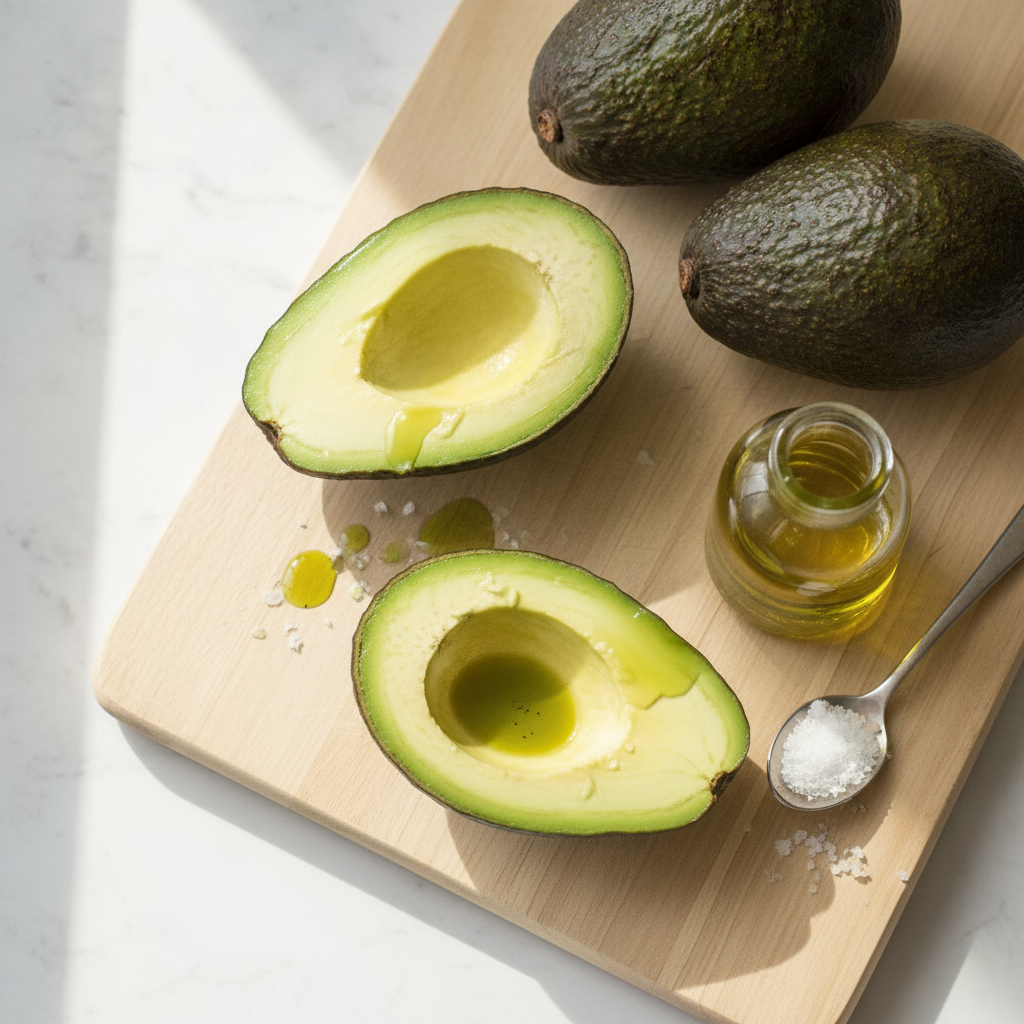
Avocados deliver concentrated nutrition in every bite. These creamy fruits contain healthy fats that benefit your skin in remarkable ways.
The monounsaturated fats in avocados support skin elasticity and hydration. Your body absorbs these fats easily and uses them efficiently.
Vitamins and Compounds in Avocados
A single avocado provides multiple vitamins essential for skin health. Vitamin E acts as a powerful antioxidant that may help protect your skin.
Vitamin C, also abundant in avocados, supports collagen production. Your body needs vitamin C to create the proteins that keep skin firm.
Studies indicate that vitamin E and vitamin C work synergistically. When consumed together, they provide enhanced protection against skin damage.
How Avocados Support Skin Function
The healthy fats in avocados help your body absorb fat-soluble vitamins. These include vitamins A, D, E, and K, all crucial for skin.
Research suggests that avocado compounds may also help protect skin from UV radiation. The antioxidants help shield against environmental stressors.
Regular avocado consumption supports skin barrier function. This barrier protects against water loss and external irritants.
Daily Serving Recommendation
Half an avocado daily provides optimal benefits. This serving delivers healthy fats without excessive calories.
Best Consumption Methods
Add avocado to salads, smoothies, or toast. Pairing with vegetables enhances nutrient absorption.
Selection and Storage
Choose avocados that yield slightly to pressure. Store ripe ones in the refrigerator to extend freshness.
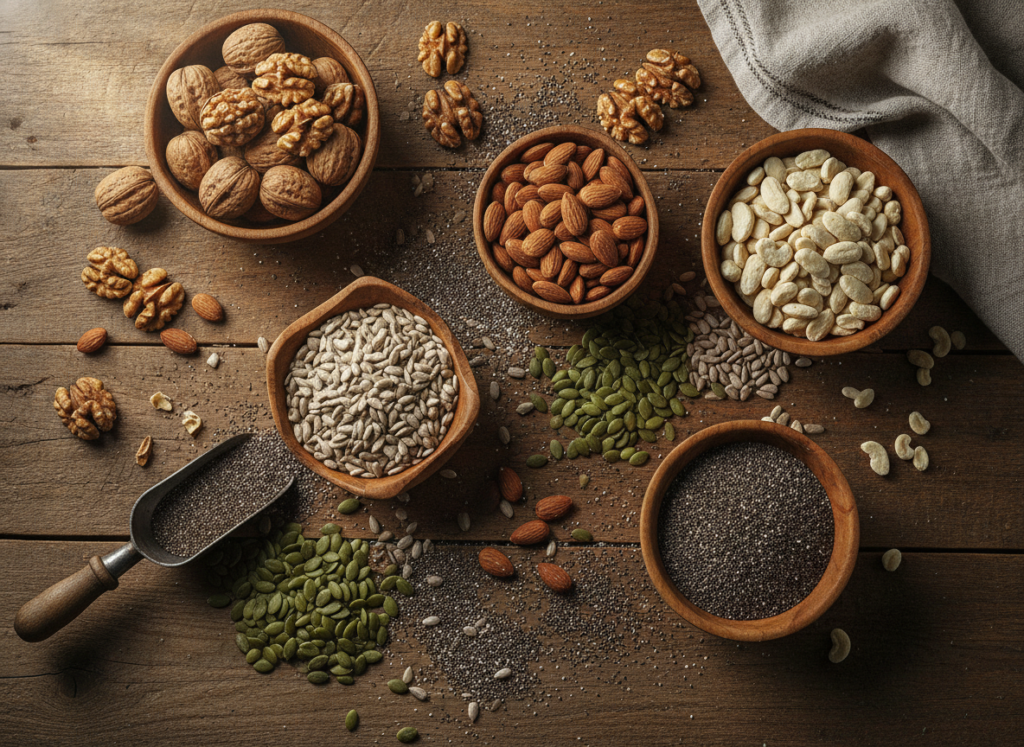
Nuts and seeds pack concentrated nutrition into small packages. These plant-based foods deliver essential fatty acids and minerals your skin needs.
Walnuts stand out as particularly beneficial. They contain the right balance of fatty acids that support skin health and reduce inflammation.
The Power of Walnuts
Walnuts provide both omega-3 and omega-6 fatty acids in optimal ratios. This balance helps regulate inflammation and supports healthy skin function.
A one-ounce serving of walnuts contains significant amounts of zinc. This mineral plays crucial roles in skin barrier function and wound healing.
Walnuts also deliver vitamin E and selenium. These antioxidants work together to may help protect skin from oxidative stress and damage.
Other Beneficial Nuts for Skin
Almonds contain exceptionally high vitamin E content. Research shows this antioxidant may help protect against sun-induced skin damage.
Brazil nuts provide selenium, a trace mineral with antioxidant properties. Just two Brazil nuts daily supply your complete selenium needs.
Cashews offer zinc and copper, both important for collagen production. These minerals support the structural proteins in your skin.
Seeds That Support Glowing Skin
Sunflower Seeds
Sunflower seeds rank among the richest sources of vitamin E. A single ounce provides over 80% of the recommended daily intake.
These seeds also contain high vitamin content of linoleic acid. This omega-6 fatty acid maintains skin barrier integrity.
The protein in sunflower seeds supports collagen and elastin production. Your body converts these proteins into skin cell structures.
Pumpkin and Chia Seeds
Pumpkin seeds deliver zinc, vitamin E, and omega-3 fatty acids. This combination supports multiple aspects of skin health simultaneously.
Chia seeds contain the highest plant-based omega-3 concentration. These tiny seeds also provide fiber that benefits overall health.
Both seed types offer versatile nutrition. Add them to smoothies, salads, or yogurt for an easy skin-boosting snack.
Portion Control Matters: While nuts provide health benefits, they’re calorie-dense. Stick to a small handful (about 1 ounce) daily to avoid excessive calorie intake.
Sweet Potatoes and Orange Vegetables for Skin Protection
Orange and yellow vegetables contain powerful compounds that transform skin health. These colorful foods provide beta-carotene, which your body converts to vitamin A.
Sweet potatoes lead this category with exceptional nutrient density. A medium sweet potato delivers over four times your daily vitamin A needs.
How Beta-Carotene Protects Your Skin
Beta-carotene functions as a potent antioxidant. It neutralizes free radicals that cause premature aging and skin cell damage.
Research indicates that beta-carotene may help protect skin from sun damage. This protection comes from within, complementing topical sunscreen.
Studies show that consuming high vitamin A foods improves skin tone and texture. Participants who ate more orange vegetables showed visible improvements in complexion.
Benefits Beyond Beta-Carotene
Sweet potatoes contain vitamin C, essential for collagen synthesis. Without adequate vitamin C, your body cannot produce collagen effectively.
These root vegetables also provide anthocyanins, especially purple varieties. These compounds offer additional antioxidant benefits and may also help reduce inflammation.
The fiber content in sweet potatoes supports gut health. Emerging research links gut health to skin appearance through the gut-skin axis.
Other Orange Vegetables to Include
Carrots – Excellent beta-carotene source, easy to incorporate into any diet
Butternut squash – Rich in vitamins A and C, versatile in cooking
Orange bell peppers – High vitamin C content, low calorie option
Pumpkin – Provides zinc and beta-carotene, available fresh or canned
Cantaloupe – Hydrating fruit with beta-carotene and vitamin C
Apricots – Dried or fresh, concentrated source of skin-supporting nutrients
Ready to Reveal Your Best Skin Ever?
Join thousands who’ve discovered the scientifically-proven nutrition plan that delivers visible results in just weeks. Get personalized meal plans, recipes, and expert guidance tailored to your unique skin needs.
Leafy Greens and Cruciferous Vegetables
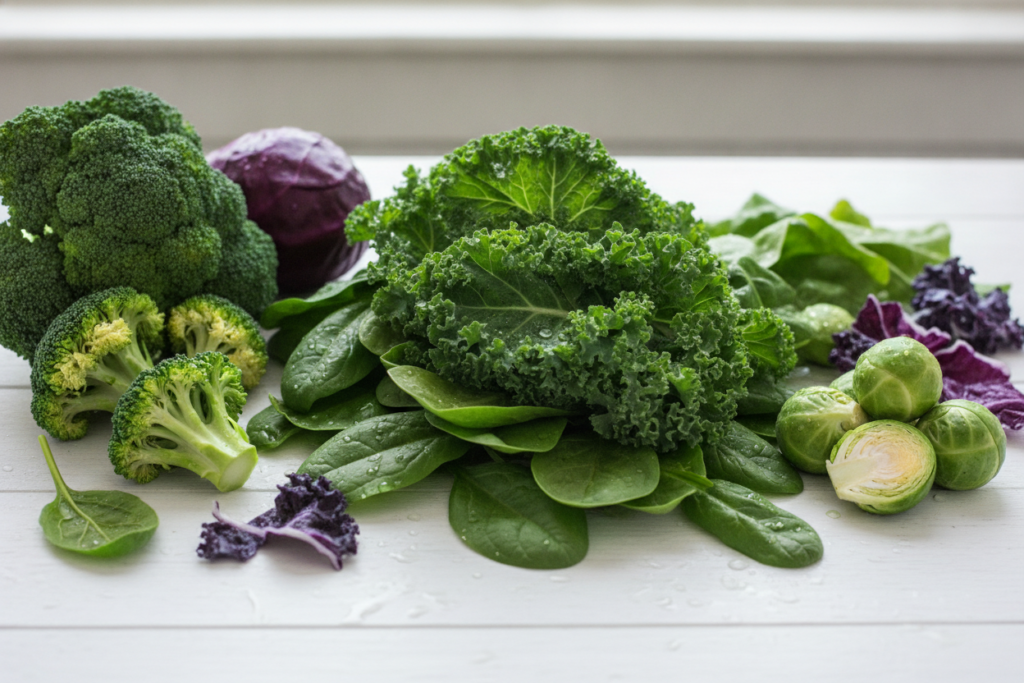
Dark leafy greens deserve special attention in any skin-healthy diet. These vegetables pack more nutrients per calorie than almost any other food.
Spinach, kale, Swiss chard, and collard greens contain vitamins and minerals essential for skin function. They also provide compounds that may also protect against aging.
The Nutritional Power of Leafy Greens
Leafy greens contain high vitamin A levels in the form of beta-carotene. Your body converts this to retinol, which supports skin cell production.
These vegetables also deliver vitamin C for collagen production. A single cup of cooked kale provides more than the daily recommended amount.
The vitamin E content in greens works synergistically with vitamin C. Together, these antioxidants help protect skin from environmental damage.
Broccoli: A Skin Superfood
Broccoli contains multiple compounds that benefit skin health. It provides vitamins A, C, and K, all important for appearance and function.
Lutein, a carotenoid found in broccoli, may help protect skin from oxidative damage. Studies suggest it works similarly to beta-carotene.
Broccoli also contains sulforaphane, a compound with impressive potential. Research indicates it may help protect against sun damage and support skin cell health.
The zinc and vitamin content in broccoli support overall skin health. This nutrient combination helps maintain skin barrier function and healing capacity.
How to Maximize Nutrient Absorption
Cooking Methods Matter
Light steaming preserves more nutrients than boiling. Overcooking destroys heat-sensitive vitamins like C and some B vitamins.
Adding a small amount of healthy fat helps absorption. The fat-soluble vitamins A, E, and K need dietary fat for optimal uptake.
Raw consumption works well for many greens. Salads provide enzymes and heat-sensitive nutrients in their natural form.
Daily Intake Recommendations
Aim for at least two cups of leafy greens daily. This amount provides substantial vitamins and antioxidants for skin.
Vary your choices throughout the week. Different greens offer unique compound profiles and health benefits.
Combine leafy greens with other vegetables. This diversity ensures you receive a complete spectrum of skin-supporting nutrients.
Berries and Antioxidant-Rich Fruits for Skin
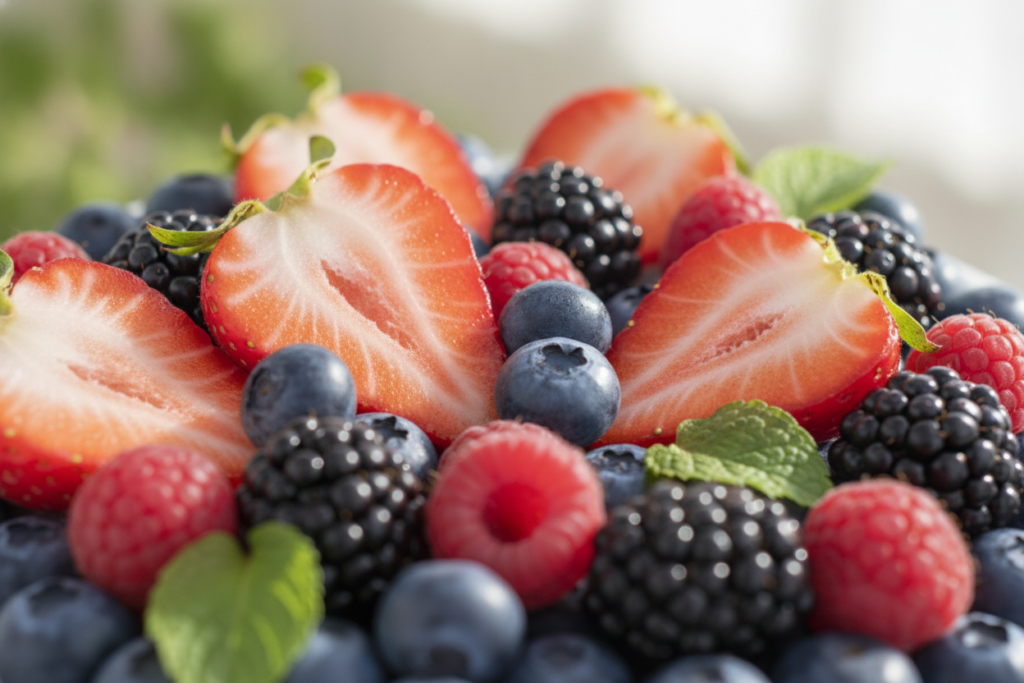
Berries contain some of the highest antioxidant concentrations found in any food. These small fruits deliver powerful compounds that protect and enhance skin.
Blueberries, strawberries, raspberries, and blackberries each offer unique benefits. Including a variety ensures you receive the full spectrum of protective compounds.
Antioxidants Help Fight Skin Aging
Berries contain anthocyanins, flavonoids, and other polyphenols. These antioxidants help neutralize free radicals that cause premature skin aging.
Studies show that antioxidants help protect collagen from breakdown. This protection maintains skin firmness and reduces wrinkle formation.
The vitamin C content in berries supports collagen synthesis. Your body needs consistent vitamin C intake to produce new collagen continuously.
Specific Benefits by Berry Type
Berry Type
Key Nutrients
Primary Skin Benefits
Daily Serving
Blueberries
Anthocyanins, Vitamin C, Vitamin K
Powerful antioxidant protection, collagen support
1/2 to 1 cup
Strawberries
Vitamin C, Folate, Manganese
Highest vitamin C content, brightness enhancement
1 cup
Raspberries
Ellagic acid, Fiber, Vitamin C
Anti-inflammatory effects, texture improvement
1/2 to 1 cup
Blackberries
Vitamin C, Vitamin K, Fiber
Antioxidant protection, skin barrier support
1/2 to 1 cup
Other Antioxidant-Rich Fruits
Tomatoes provide lycopene, a carotenoid that may help protect skin from UV damage. Cooked tomatoes offer higher lycopene availability than raw ones.
Red grapes contain resveratrol, studied for anti-aging properties. This compound may also slow skin aging processes at the cellular level.
Pomegranates deliver punicalagins and other antioxidants. Research suggests these compounds protect skin cells and may support collagen production.
Water plays a fundamental role in skin health that many overlook. Proper hydration affects every skin function from cell production to toxin elimination.
Your skin contains approximately 30% water. This water content affects plumpness, elasticity, and overall appearance directly.
How Hydration Affects Skin
Adequate water intake helps maintain skin elasticity. When dehydrated, skin loses flexibility and appears dull or flaky.
Water supports nutrient delivery to skin cells. Blood carries vitamins and minerals dissolved in water to where your body needs them.
Proper hydration also aids toxin removal. Your body eliminates waste products through urine and sweat, processes that require sufficient water.
Beyond Plain Water
While plain water forms the foundation, water-rich foods contribute significantly. Cucumbers, watermelon, and celery provide hydration plus additional nutrients.
Herbal teas count toward daily water intake. Green tea offers the bonus of antioxidants that may also support skin health.
Coconut water provides natural electrolytes along with hydration. These minerals support cellular function throughout your body, including skin cells.
Hydration Goal: Aim for at least 8 glasses (64 ounces) of water daily. Increase this amount if you exercise, live in hot climates, or consume caffeine regularly.
Signs of Adequate Hydration
Pale yellow urine color indicates proper hydration
Skin that bounces back quickly when pinched shows good elasticity
Moist lips without constant need for balm
Fewer fine lines and improved skin plumpness
Better overall skin texture and appearance
Reduced under-eye circles and puffiness
Green Tea and Beneficial Beverages
Green tea offers remarkable health benefits beyond simple hydration. This ancient beverage contains compounds specifically beneficial for skin appearance and function.
The polyphenols in green tea, particularly EGCG, provide powerful antioxidant effects. These compounds may help protect against various forms of skin damage.
Green Tea’s Skin Benefits
Research shows that green tea antioxidants may help protect skin from UV damage. While not replacing sunscreen, they provide internal protection.
Studies indicate green tea may also reduce inflammation. This effect benefits multiple skin conditions and overall complexion.
The catechins in green tea might improve skin elasticity and hydration. Regular consumption shows measurable improvements in skin properties.
How to Maximize Green Tea Benefits
Brew green tea at 160-180°F rather than boiling water. Lower temperatures preserve delicate compounds that provide health benefits.
Steep for 2-3 minutes to extract beneficial compounds without excessive bitterness. Longer steeping increases catechin content but affects taste.
Consume 2-3 cups daily for optimal benefits. This amount provides significant antioxidants without excessive caffeine intake.
Benefits of Green Tea
Rich in protective antioxidants
May help protect against sun damage
Supports skin elasticity
Reduces inflammation naturally
Provides gentle caffeine boost
Supports overall health benefits
Considerations
Contains caffeine (affects sensitive individuals)
May interfere with iron absorption
Best consumed between meals
Quality varies significantly between brands
Benefits require consistent daily consumption
See Real Results in Just 30 Days
Stop guessing what your skin needs. Get the exact nutrition plan, supplement recommendations, and lifestyle strategies that work. Backed by dermatologists and proven by thousands of success stories.
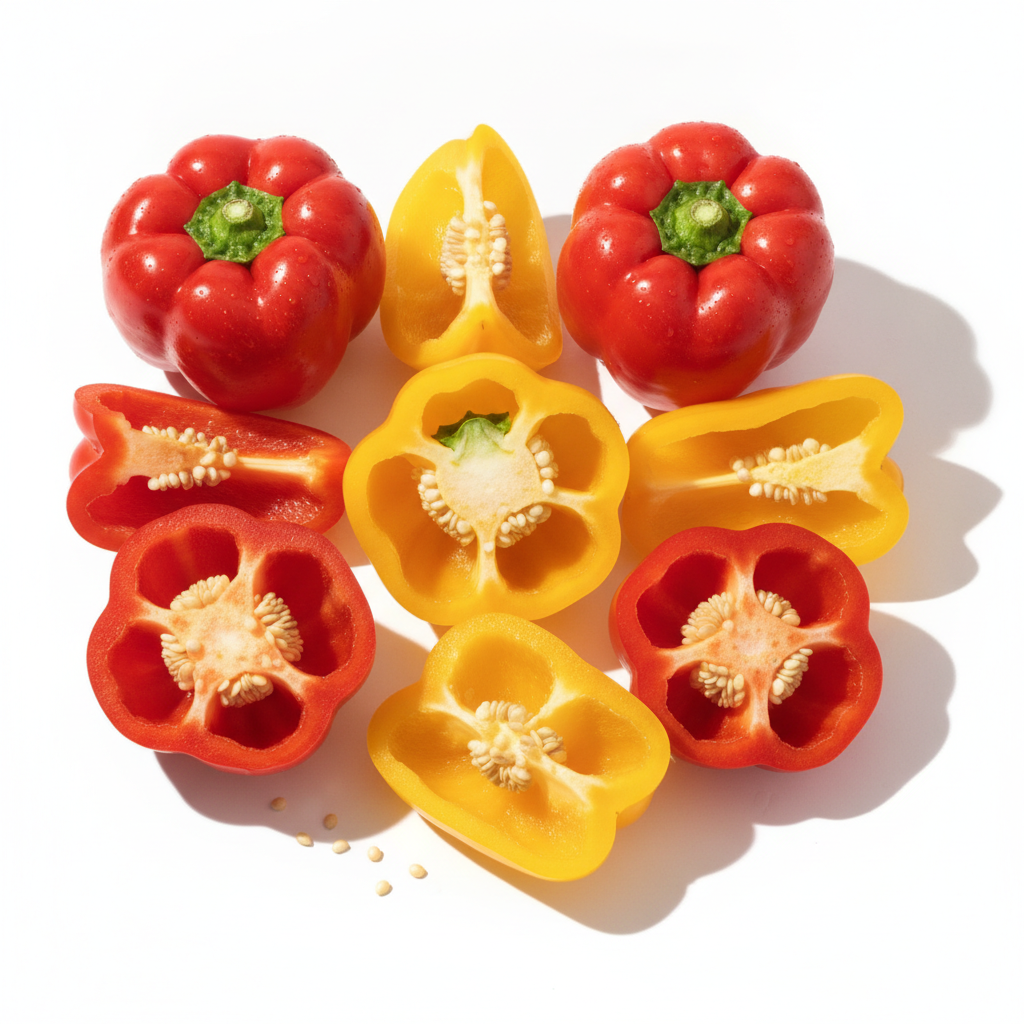
Red and Yellow Bell Peppers for Vitamin C
Bell peppers, especially red and yellow varieties, contain exceptional vitamin C levels. These colorful vegetables surpass even citrus fruits in vitamin content.
A single cup of chopped red bell pepper provides over 150% of your daily vitamin C needs. This concentration makes them incredibly efficient for skin nutrition.
Why Bell Peppers Excel
The vitamin C in bell peppers supports collagen production directly. Your body requires this vitamin to synthesize collagen molecules.
Red bell peppers also contain beta-carotene alongside vitamin C. This combination provides dual antioxidant protection for your skin.
Studies show that high vitamin C intake correlates with better skin appearance. Participants consuming more vitamin C showed fewer wrinkles and less dryness.
Color Differences and Benefits
Red bell peppers contain the highest nutrient levels. They’re fully ripened, allowing complete nutrient development and concentration.
Yellow peppers offer slightly less vitamin C but remain excellent sources. They provide unique flavonoid compounds not found in other colors.
Green peppers, while nutritious, contain lower levels of beneficial compounds. They’re harvested before full ripening affects nutrient content.
Dark Chocolate and Raw Cacao Benefits
Quality dark chocolate deserves recognition as a skin-friendly food. When consumed mindfully, it provides compounds that benefit skin health.
The key lies in cocoa content and quality. Choose chocolate with at least 70% cacao for maximum benefits and minimal sugar.
Antioxidant Power of Cacao
Cacao contains flavonols, powerful antioxidants that may help protect skin. These compounds support blood flow to skin tissue.
Research indicates that cocoa flavonols may also improve skin hydration and texture. Studies show measurable improvements after consistent consumption.
The antioxidants in dark chocolate may help protect against sun damage. While not replacing sunscreen, they provide complementary internal protection.
Choosing and Consuming Dark Chocolate
Select chocolate with minimal processing and high cacao content. Raw cacao powder and nibs offer the most concentrated benefits.
Limit portion sizes to about one ounce daily. This amount provides benefits without excessive calories or sugar.
Consider unsweetened cacao powder in smoothies or yogurt. This method delivers antioxidants without added sugars or fats.
Sugar Warning: Many commercial chocolates contain more sugar than cacao. Excess sugar may actually damage skin through glycation. Always check labels and choose high-percentage dark chocolate.
Your Journey to Radiant Skin Starts Here
Don’t spend another day with dull, tired-looking skin. Access the complete system that combines nutrition science, expert meal planning, and proven strategies for lasting results. Transform your skin naturally and effectively.
Individual foods matter, but your overall dietary pattern determines results. The most effective approach combines multiple skin-supporting foods daily.
A balanced diet rich in fruits, vegetables, healthy fats, and quality proteins provides everything your skin needs. Consistency matters more than perfection.
Building Your Skin-Healthy Diet
Start each day with a nutrient-dense breakfast. Include protein, healthy fats, and produce to establish strong nutrition foundations.
Fill half your plate with vegetables at lunch and dinner. This simple rule ensures adequate vitamin and mineral intake.
Include omega-3 fatty acids from fish or plant sources daily. These essential fats provide benefits that accumulate over time.
Sample Daily Meal Structure
Breakfast Options
Greek yogurt with berries, walnuts, and chia seeds
Smoothie with spinach, avocado, berries, and protein
Eggs with vegetables and whole grain toast
Oatmeal topped with almonds and sliced fruit
Lunch Ideas
Salmon salad with mixed greens and olive oil
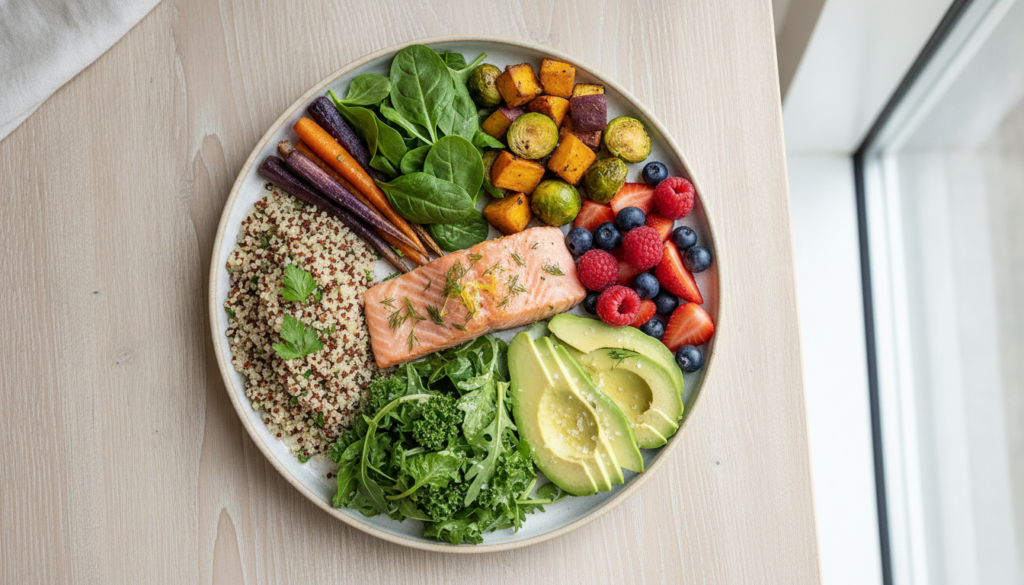
Quinoa bowl with roasted vegetables and avocado
Turkey wrap with vegetables and hummus
Lentil soup with side salad and seeds
Dinner Suggestions
Grilled fish with sweet potato and broccoli
Stir-fry with colorful bell peppers and protein
Roasted chicken with Brussels sprouts and quinoa
Plant-based bowl with beans, greens, and avocado
Snack Choices
Apple slices with almond butter
Carrot sticks with hummus
Trail mix with nuts and dried berries
Greek yogurt with cucumber slices
Foods to Limit or Avoid
Refined sugars and processed carbohydrates may damage collagen through glycation. This process accelerates visible aging and wrinkles formation.
Excessive dairy consumption might trigger inflammation in some individuals. Monitor your response and adjust intake accordingly.
Trans fats from processed foods interfere with healthy fat absorption. These artificial fats may also promote inflammation throughout your body.
Excess alcohol dehydrates skin and depletes nutrients. Moderate consumption minimizes negative effects on appearance.
Supplements and Additional Considerations
While whole foods provide optimal nutrition, targeted supplements may fill specific gaps. Certain nutrients prove difficult to obtain through diet alone.
Consider supplementation after establishing solid dietary foundations. Supplements complement, not replace, healthy eating patterns.
Potentially Beneficial Supplements
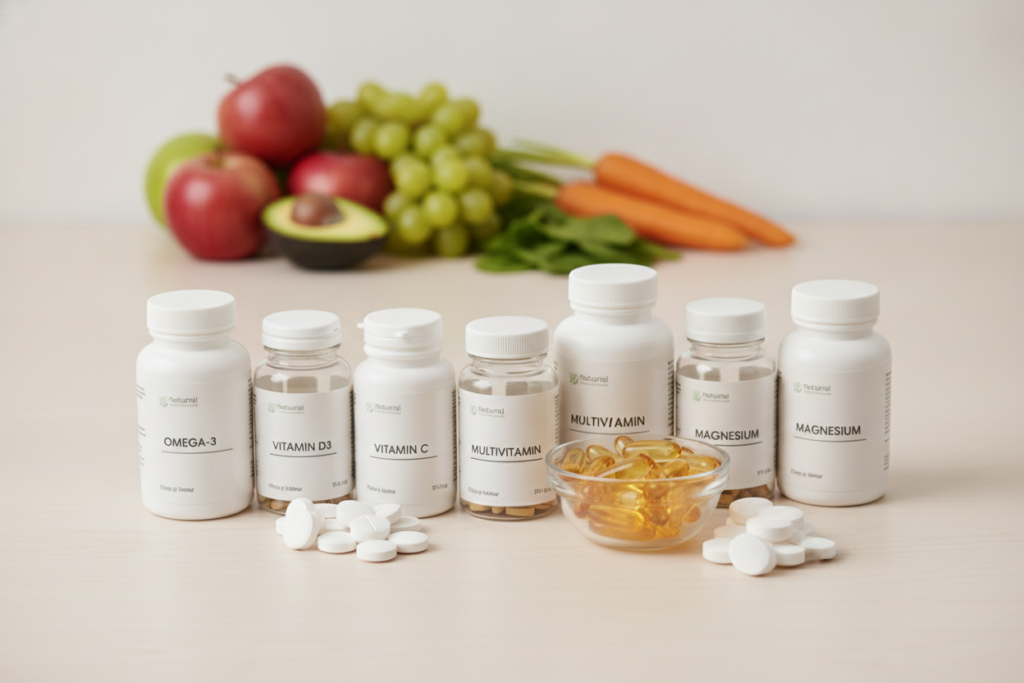
Omega-3 supplements help if you don’t regularly eat fatty fish. Quality fish oil or algae-based supplements provide EPA and DHA.
Vitamin D supports skin health but proves challenging to obtain naturally. Most people benefit from supplementation, especially in winter months.
Collagen peptides show promise in some studies for skin elasticity. While research continues, many users report visible improvements.
Important Supplement Considerations
Consult Healthcare Providers: Always discuss supplements with qualified healthcare professionals before starting. Some supplements interact with medications or health conditions.
Choose high-quality supplements from reputable manufacturers. Third-party testing ensures purity and accurate labeling.
Start with one supplement at a time. This approach helps identify what works and prevents overwhelming your system.
Give supplements time to work, typically 8-12 weeks. Skin cell turnover requires patience for visible results.
Lifestyle Factors That Support Foods for Glowing Skin
Nutrition forms the foundation, but other lifestyle factors significantly impact skin appearance. A holistic approach delivers the most impressive results.
Sleep quality, stress management, and physical activity all affect how your skin looks and functions. These factors work synergistically with diet.
Sleep and Skin Regeneration
Your skin repairs and regenerates primarily during sleep. Inadequate rest disrupts these processes and shows clearly on your face.
Aim for 7-9 hours of quality sleep nightly. This duration allows complete regeneration cycles.
Establish consistent sleep schedules to optimize skin cell renewal. Your body functions best with regular patterns.
Stress Management
Chronic stress triggers inflammation throughout your body, including skin. This inflammation may worsen existing conditions and accelerate aging.
Practice stress-reduction techniques like meditation or deep breathing. These methods measurably reduce stress hormones.
Regular physical activity helps manage stress while improving circulation. Better blood flow delivers more nutrients to skin cells.
Sun Protection Basics
Sun damage remains the primary cause of premature skin aging. No dietary approach replaces proper sun protection.
Use broad-spectrum sunscreen daily, regardless of weather. UV rays penetrate clouds and damage skin year-round.
Combine internal antioxidants from food with external protection. This dual approach provides comprehensive defense.
Take Control of Your Skin’s Future Today
You’ve learned what your skin needs to glow naturally. Now get the complete implementation guide that removes all guesswork. Receive step-by-step meal plans, shopping lists, recipes, and ongoing support from skin nutrition experts. Join the community of people who’ve transformed their skin through smart nutrition choices.
Frequently Asked Questions About Foods for Glowing Skin
How long does it take to see results from dietary changes?
Most people notice initial improvements within 2-4 weeks of consistent dietary changes. However, significant transformation typically requires 8-12 weeks.
Your skin cell turnover cycle takes approximately 28 days. New cells formed after dietary improvements need time to reach the surface and replace older cells.
Patience and consistency matter more than perfection. Gradual, sustainable changes produce better long-term results than dramatic short-term efforts.
Can diet alone clear acne or severe skin conditions?
Diet significantly impacts acne and other skin conditions, but severe cases usually require professional medical treatment alongside dietary improvements.
Many people experience substantial improvements by eliminating trigger foods and increasing anti-inflammatory nutrients. However, underlying medical conditions need proper diagnosis.
Work with dermatologists who understand nutritional approaches. Combined medical and dietary strategies often produce the best outcomes for challenging skin issues.
Are organic foods necessary for skin health?
Organic produce offers potential benefits by reducing pesticide exposure, but conventionally grown fruits and vegetables still provide valuable nutrients.
Focus first on consuming adequate quantities of produce, regardless of organic status. The benefits of increased fruit and vegetable consumption outweigh concerns about conventional farming.
If budget allows, prioritize organic for the “Dirty Dozen” (produce with highest pesticide residues). Always wash all produce thoroughly before consumption.
What’s the single most important food for glowing skin?
No single food provides everything your skin needs. Variety and consistency matter more than any individual superfood.
If forced to choose, fatty fish like salmon provides multiple critical nutrients: omega-3 fatty acids, high-quality protein, vitamin E, and zinc.
However, optimal results come from combining multiple skin-supporting foods daily. Build meals around colorful vegetables, quality proteins, healthy fats, and antioxidant-rich fruits.
Should I avoid dairy for better skin?
Dairy affects individuals differently. Some people experience clearer skin after eliminating dairy, while others notice no difference.
Research suggests potential links between dairy consumption and acne in some individuals, possibly due to hormones naturally present in milk.
Try eliminating dairy for 4-6 weeks to assess personal response. Reintroduce slowly and monitor skin changes. Many people tolerate fermented dairy like yogurt better than milk.
How much water should I drink for optimal skin hydration?
General recommendations suggest 8-10 glasses (64-80 ounces) daily, but individual needs vary based on activity level, climate, and overall health.
Monitor urine color as a hydration indicator. Pale yellow suggests adequate hydration, while dark yellow indicates you need more water.
Increase intake during exercise, hot weather, or caffeine consumption. Water-rich foods like cucumbers and watermelon contribute to overall hydration status.
Your Path to Naturally Radiant Skin
You now possess comprehensive knowledge about foods for glowing skin. These aren’t temporary fixes but sustainable strategies that work with your body’s natural processes.
The journey to radiant skin begins with your next meal. Each nutritious choice supports skin health at the cellular level.
Remember that transformation takes time and consistency. Your skin reflects weeks and months of dietary patterns, not individual meals.
Start by incorporating one or two recommended foods daily. Gradually expand your repertoire as these choices become habits.
Combine proper nutrition with adequate sleep, stress management, and sun protection. This holistic approach delivers the most dramatic and lasting results.
Your skin has remarkable regenerative capacity when given proper nutritional support. The foods you choose today create the complexion you’ll see tomorrow.
Invest in your skin through thoughtful food choices. This investment pays dividends in confidence, appearance, and overall health for years to come.