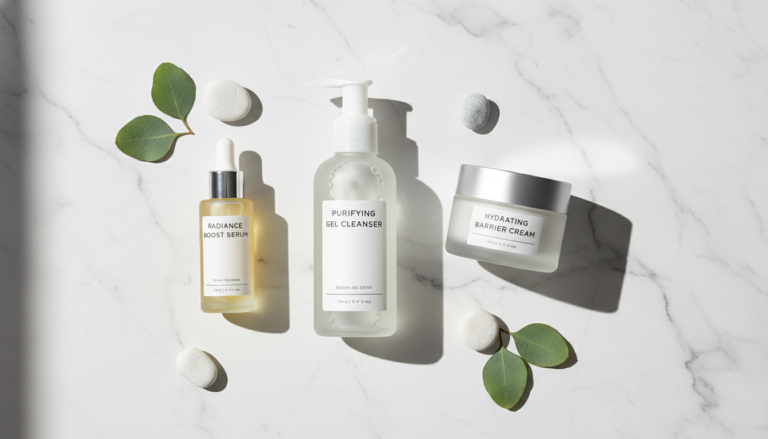
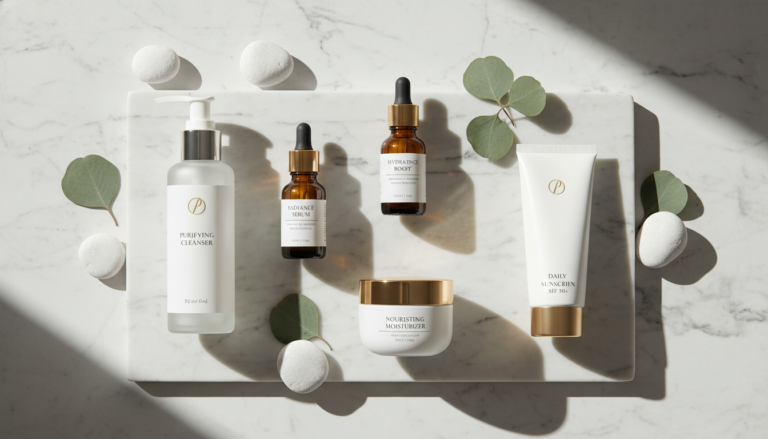
Your skin works overtime while you sleep. During the night, your skin enters repair mode. Cell regeneration increases. Moisture loss accelerates. Your skin barrier rebuilds itself.
This Website contains affiliate links. That means I may earn a small commission if you purchase through my links, at no extra cost to you.
Most people miss this critical window. They skip their nighttime skincare routine. Or they use the wrong products. This costs them years of potential skin improvement.
A proper night skin care routine repairs damage from the day. It supports your skin’s natural regeneration process. It prepares your face for another day of environmental stress.
This guide reveals the essential steps. You’ll discover which products work best for nighttime use. You’ll learn the optimal order for maximum results.
Why Your Night Skin Care Routine Matters More Than Your Morning Routine
Your skin operates on a circadian rhythm. During daylight hours, your skin focuses on protection. It defends against UV damage, pollution, and environmental stressors. Your skin barrier maintains defensive mode all day.
Everything changes at night. Between 11 PM and 4 AM, skin cell division peaks. Your skin produces new cells three times faster than during the day. Blood flow increases to your face. This brings more oxygen and nutrients to your skin.
Moisture loss also increases. Your skin loses more water while you sleep. This is why morning skin often looks dehydrated. A proper nighttime skincare routine compensates for this natural water loss.
Daytime Skin Function
Protection from UV radiation
Defense against environmental damage
Sebum production peaks
Skin barrier in protective mode
Lower cell regeneration rate
Nighttime Skin Function
Cell regeneration increases 3x
Skin barrier repair accelerates
Blood flow increases to skin
Collagen production peaks
Maximum product absorption
Your night skin care routine should support these natural processes. The right products enhance cell turnover. They provide ingredients that repair damage. They deliver deep hydration that lasts through the night.
Ready to Transform Your Skin While You Sleep?
Discover the scientifically-backed night skin care routine that repairs your skin barrier, reduces fine lines, and reveals your natural glow by morning.
Your skin barrier is your first line of defense. This thin layer protects you from bacteria, pollutants, and irritants. It also prevents water loss from deeper skin layers.
Modern life damages this barrier constantly. Harsh cleansers strip away protective oils. Environmental pollution creates oxidative stress. Over-exfoliation removes essential lipids. Even indoor heating disrupts barrier function.
A damaged skin barrier shows specific symptoms. Your skin feels tight and dry. Irritation occurs more easily. Products that once worked now cause redness. Fine lines appear more prominent. Your face looks dull instead of radiant.
Key Insight: Research shows that skin barrier recovery happens primarily during sleep. The lipid production necessary for barrier repair increases significantly at night. Your nighttime skincare routine either supports or hinders this natural process.
How Night Products Support Barrier Repair
Effective night skin care products contain specific barrier-repair ingredients. Ceramides rebuild the lipid matrix between skin cells. Fatty acids strengthen barrier structure. Cholesterol supports the skin’s natural lipid composition.
These ingredients work best during sleep. Your skin absorbs them more effectively at night. The increased blood flow delivers nutrients deeper into your skin. Cell turnover incorporates these building blocks into new skin cells.
Ceramides restore the lipid barrier between cells
Niacinamide increases ceramide production naturally
Hyaluronic acid provides deep hydration support
Peptides signal collagen and elastin production
Antioxidants neutralize free radical damage
Without proper support, your skin barrier deteriorates over time. This leads to chronic dehydration. It increases sensitivity to all products. It accelerates visible aging signs. A strategic night routine reverses this damage.
The Complete Night Skin Care Routine: Step by Step
A proper nighttime skincare routine follows a specific sequence. Each step prepares your skin for the next. The order matters because it affects product absorption and effectiveness.
This routine takes between eight and twelve minutes. That’s a small investment for significant skin transformation. Each step serves a purpose in the overall repair and regeneration process.
Important: Consistency matters more than perfection. Following this routine five nights per week delivers better results than a perfect routine done sporadically.
Step 1: Double Cleansing to Remove the Day
Double cleansing is the foundation of every effective night skin care routine. This two-step process removes everything your face accumulated during the day. Makeup, sunscreen, excess oil, and environmental pollutants all need removal before treatment products can work.
The first cleanse uses an oil-based cleanser. Oil dissolves oil-based substances. This includes makeup, sunscreen, and your skin’s natural sebum. Massage the oil cleanser onto dry skin for sixty seconds. This breaks down all oil-soluble debris.
Why Oil Cleansing Works
Many people fear oil on their face. They worry it will clog pores or increase breakouts. The opposite is true. Oil-based cleansers remove impurities without stripping your skin barrier. They maintain your skin’s natural pH balance.
When you add water, oil cleansers emulsify. They turn milky white. This indicates the cleanser is binding to water-soluble impurities. Rinse thoroughly with lukewarm water. Your skin should feel clean but not tight.
The Second Cleanse
Your second cleanse uses a gentle water-based cleanser. This removes any remaining residue from the oil cleanse. It also cleanses away water-based impurities like sweat and dead skin cells.
Choose a gentle cleanser with a pH between 5.0 and 6.0. This matches your skin’s natural acid mantle. Avoid cleansers with sulfates like sodium lauryl sulfate. These harsh detergents damage your skin barrier over time.
Look for glycerin or hyaluronic acid in the ingredients
Avoid strong fragrances that can irritate skin
Select cream or gel formulas over foaming cleansers
Cleanse for 60 seconds with gentle circular motions
Rinse with lukewarm water, never hot
After cleansing, pat your face dry with a clean towel. Don’t rub. Rubbing creates friction that damages skin. Your face should feel clean and comfortable, not tight or squeaky. Tight feeling indicates over-cleansing.
Essential Double Cleansing Solution
The right cleansing products remove impurities without compromising your skin barrier. Look for gentle formulas that support your skin’s natural pH balance while effectively removing makeup, sunscreen, and daily buildup.
Professional-grade cleansing systems combine oil-based and water-based formulas designed to work together. This two-step approach ensures complete cleansing without stripping essential moisture.
Step 2: Applying Toner for pH Balance
Toner is often misunderstood in skincare routines. Traditional toners contained alcohol and astringents. They stripped skin and disrupted pH balance. Modern toners serve a different purpose in your night skin care routine.
Today’s toners restore your skin’s optimal pH after cleansing. They prepare your skin for better serum absorption. Many contain hydrating and soothing ingredients that begin the treatment process.
The Role of pH in Skin Health
Your skin’s natural pH is slightly acidic, around 5.5. This acidity prevents harmful bacteria growth. It supports beneficial skin microbiome. It maintains barrier function and moisture retention.
Cleansing raises your skin’s pH temporarily. Water alone has a pH of 7. Most cleansers range from 6 to 8. This alkaline shift can persist for several hours without correction.
A hydrating toner quickly returns your skin to its ideal pH. This immediate correction prevents moisture loss. It optimizes conditions for the active ingredients in your serums and treatments.
Choosing the Right Toner
Select alcohol-free toners for your nighttime routine. Look for hydrating ingredients like hyaluronic acid, glycerin, or aloe vera. Avoid toners with high concentrations of astringents.
Hyaluronic acid toners provide immediate hydration
Glycerin-based toners support moisture retention
Centella asiatica toners calm and repair skin
Rose water toners soothe sensitive skin types
Green tea toners provide antioxidant protection
Apply toner immediately after cleansing. Use clean hands or a cotton pad. Press gently into skin rather than wiping. This maximizes absorption and minimizes product waste.
Your skin should feel slightly damp after toner application. This dampness creates the ideal environment for serum absorption. Proceed to the next step while your skin retains this moisture.
Step 3: Treatment Serums for Targeted Repair
Serums deliver concentrated active ingredients to your skin. These lightweight formulas penetrate deeper than moisturizers. They address specific skin concerns with targeted ingredients. Your night skin care routine should include at least one treatment serum.
The serum step is where real skin transformation happens. Active ingredients in serums work during your skin’s peak repair hours. They support cell turnover, collagen production, and barrier restoration.
Essential Nighttime Serum Ingredients
Different serums address different concerns. Choose based on your primary skin goals. You can layer multiple serums, but always apply from thinnest to thickest consistency.
Hyaluronic Acid Serum
Hyaluronic acid holds one thousand times its weight in water. This powerful humectant draws moisture into your skin. It plumps fine lines and improves skin texture. Apply hyaluronic acid serum to damp skin for maximum effectiveness.
Different molecular weights of hyaluronic acid penetrate to different depths. Large molecules hydrate the surface. Small molecules reach deeper layers. Look for serums with multiple molecular weights for comprehensive hydration.
Retinol and Retinoid Serums
Retinoids are vitamin A derivatives. They increase cell turnover and collagen production. They reduce fine lines and improve skin texture. Retinoids work exclusively at night because UV light deactivates them.
Start with a low concentration if you’re new to retinoids. Use once or twice weekly initially. Gradually increase frequency as your skin builds tolerance. Always use sunscreen during the day when using retinoids.
Retinoid Caution: Retinoids can cause irritation during the adjustment period. Redness, peeling, and dryness are common initially. This typically resolves within four to six weeks. Avoid combining retinoids with other strong acids on the same night.
Vitamin C Serum
While vitamin C is typically recommended for morning use, certain stable forms work well at night. Vitamin C brightens skin and supports collagen production. It neutralizes free radicals and reduces hyperpigmentation.
Look for L-ascorbic acid in concentrations between ten and twenty percent. Ensure the formula includes ferulic acid and vitamin E. These ingredients stabilize vitamin C and enhance its effectiveness.
Peptide Serums
Peptides are short chains of amino acids. They signal your skin to produce more collagen and elastin. Peptide serums support skin firmness and reduce fine lines. They work synergistically with retinoids for enhanced anti-aging effects.
How to Apply Serums Correctly
Dispense three to five drops of serum into your palm. Warm between your hands. Press gently onto face, neck, and chest. Don’t rub vigorously. Pressing allows better absorption without creating friction.
Wait sixty seconds between serum applications if using multiple products. This allows each serum to absorb properly. The waiting time prevents pilling and maximizes ingredient penetration.
Apply serums to slightly damp skin for better absorption
Use upward and outward motions to prevent pulling skin downward
Don’t forget your neck and décolletage area
Press gently with flat hands rather than rubbing
Allow full absorption before applying next product
Professional-Grade Night Repair Serum
Transform your skin barrier overnight with advanced serums containing multiple molecular weights of hyaluronic acid, barrier-repairing peptides, and antioxidant protection. These concentrated formulas work during your skin’s peak regeneration hours.
4.8
Exceptional Results
Hydration
4.8/5
Barrier Repair
4.7/5
Fine Line Reduction
4.6/5
Step 4: Eye Cream for Delicate Skin
The skin around your eyes is significantly thinner than the rest of your face. This delicate area shows signs of aging first. Fine lines, dark circles, and puffiness all appear here. Your night skin care routine needs dedicated eye treatment.
Eye area skin contains fewer oil glands. It’s more prone to dryness and dehydration. It’s also more permeable to active ingredients. This means eye products need gentler formulations than face products.
Common Eye Area Concerns
Different concerns require different ingredients. Understanding your primary eye area issue helps you select the most effective product.
Fine Lines and Wrinkles
The eye area develops fine lines early due to constant movement. Smiling, squinting, and blinking create repeated creasing. Over time, these temporary lines become permanent wrinkles.
Peptides and retinoids address fine lines effectively. Peptides stimulate collagen without irritation. Retinol increases cell turnover to smooth texture. Look for eye creams specifically formulated with these ingredients in gentle concentrations.
Dark Circles
Dark circles have multiple causes. Thin skin reveals underlying blood vessels. Poor circulation creates a bluish tint. Hyperpigmentation causes brown discoloration. Each type requires different treatment.
Caffeine constricts blood vessels to reduce vascular dark circles. Vitamin K strengthens capillary walls. Niacinamide reduces pigmentation-based darkness. Choose products targeting your specific type of dark circles.
Puffiness and Under-Eye Bags
Fluid accumulates under eyes during sleep. This creates morning puffiness. Weakened support structures allow fat pads to protrude. This forms permanent under-eye bags.
Caffeine-based eye creams reduce fluid retention. Peptides strengthen support structures over time. Cold application constricts blood vessels for immediate reduction. Store eye cream in the refrigerator for enhanced de-puffing effects.
Proper Eye Cream Application
Apply eye cream after serums but before moisturizer. Use your ring finger for application. This finger applies the least pressure. Pressure and pulling accelerate eye area aging.
Place small dots of eye cream along the orbital bone. Start at the inner corner below your eye. Move outward and upward around the eye. Never apply cream directly on the eyelid or too close to the lash line.
Use a pea-sized amount for both eyes
Apply along the orbital bone, not directly on eyelids
Pat gently, never rub or pull the skin
Include the outer corner where crow’s feet form
Extend slightly onto the temple area
Allow complete absorption before applying face moisturizer
The gentle patting motion encourages lymphatic drainage. This reduces puffiness over time. It also helps product absorption without creating friction damage.
Advanced Eye Renewal Treatment
Target fine lines, dark circles, and puffiness with specialized eye treatments formulated for the delicate eye area. These concentrated formulas contain peptides, caffeine, and hydrating ingredients that work while you sleep.
The right eye cream supports collagen production, strengthens thin skin, and provides intense hydration without causing milia or irritation.
Step 5: Night Moisturizer to Lock Everything In
Moisturizer is the seal that locks in all previous treatments. It prevents transepidermal water loss during sleep. Night moisturizers differ from day creams in several important ways.
Night creams contain higher concentrations of active ingredients. They’re richer and more emollient. They don’t need SPF or makeup-friendly textures. They focus entirely on repair and hydration.
Night Moisturizer vs. Day Moisturizer
Understanding these differences helps you select appropriate products for your nighttime skincare routine.
Day Moisturizer Characteristics
Lightweight texture for makeup application
Contains SPF for sun protection
Focus on protection and hydration
Antioxidants for environmental defense
Matte or semi-matte finish
Night Moisturizer Characteristics
Rich, emollient texture for intensive repair
No SPF needed during sleep
Focus on regeneration and repair
Higher concentrations of actives
Dewy, nourishing finish
Key Ingredients for Night Moisturizers
Effective night moisturizers combine multiple ingredient categories. Each serves a specific function in the repair process.
Humectants for Hydration
Humectants draw water into your skin. Hyaluronic acid, glycerin, and sodium PCA are powerful humectants. They pull moisture from the air and deeper skin layers. This creates a reservoir of hydration.
Your nighttime environment affects humectant effectiveness. If you sleep in very dry air, humectants may pull moisture from your skin instead of the air. Use a humidifier in your bedroom for optimal results.
Emollients for Barrier Support
Emollients fill gaps between skin cells. They create a smooth surface and strengthen barrier function. Ceramides, squalane, and plant oils are effective emollients.
These ingredients mimic your skin’s natural lipid structure. They integrate into your skin barrier. This provides immediate smoothing effects and long-term barrier restoration.
Occlusives to Seal Moisture
Occlusives create a physical barrier on your skin surface. They prevent water loss through evaporation. Shea butter, petrolatum, and dimethicone are common occlusives.
In night creams, occlusives should be balanced carefully. Too much creates an overly greasy feel. Too little fails to prevent moisture loss. Quality night moisturizers find the right balance.
Applying Night Moisturizer Correctly
Take time with moisturizer application. This final step benefits from gentle facial massage. Massage increases blood flow and lymphatic drainage.
Warm a quarter-sized amount between your palms. Press onto your face using upward motions. Start at your chin and move upward to your forehead. Include your neck and chest in your application.
Apply while serums are still slightly damp
Use upward and outward massage motions
Pay extra attention to dry areas
Don’t forget your neck and décolletage
Allow fifteen minutes to absorb before bed
Wait at least fifteen minutes before lying down. This prevents product transfer to your pillow. It also allows complete absorption for maximum benefit.
Intensive Night Moisture Barrier Cream
Lock in your entire nighttime skincare routine with a moisture barrier cream designed for overnight repair. These rich formulations combine ceramides, peptides, and nourishing oils to strengthen your skin barrier while you sleep.
Wake up to plumper, more hydrated skin with reduced fine lines and improved texture. The right night moisturizer transforms your skin overnight.
Optional Step: Face Oil for Extra Nourishment
Face oils are optional but beneficial additions to your night skin care routine. They provide additional nourishment and seal in moisture. Despite concerns, properly selected face oils don’t clog pores or cause breakouts.
Facial oils contain essential fatty acids your skin needs. They support lipid barrier function. They provide antioxidant protection. They enhance the effectiveness of other products.
Choosing the Right Face Oil
Different oils suit different skin types. Understanding oil properties helps you select appropriately.
For Dry Skin
Dry skin benefits from rich, nourishing oils. Argan oil provides deep moisture and anti-aging benefits. Avocado oil contains vitamins A, D, and E. Rosehip oil reduces scarring and hyperpigmentation.
For Oily and Acne-Prone Skin
Contrary to intuition, oily skin benefits from certain oils. Jojoba oil closely mimics skin sebum. It can actually reduce oil production. Grapeseed oil is lightweight and non-comedogenic. Tea tree oil provides antibacterial benefits.
For Combination Skin
Combination skin needs balanced oils. Squalane is lightweight and universally beneficial. Marula oil provides moisture without greasiness. Hemp seed oil balances oil production naturally.
Face oil goes last in your routine. It seals everything underneath. Apply it after moisturizer for maximum benefit.
Dispense three to five drops into your palm. Warm the oil between your hands. Press gently onto your face. Don’t rub vigorously. Pressing encourages absorption without creating friction.
Apply to slightly damp skin for better absorption
Use pressing motions rather than rubbing
Focus on dry areas that need extra nourishment
Mix a drop with your night cream if oil alone feels too heavy
Store oils in a cool, dark place to prevent oxidation
Your face should feel nourished but not greasy. If oil sits on the surface, you’ve used too much. Reduce the amount next time. Three drops is usually sufficient for the entire face.
Weekly Nighttime Treatments to Enhance Your Routine
Your basic night skin care routine provides daily maintenance. Weekly treatments offer intensive repair and renewal. These concentrated treatments address specific concerns more aggressively.
Chemical Exfoliants for Cell Turnover
Chemical exfoliants remove dead skin cells more effectively than physical scrubs. They reveal fresh skin underneath. They improve product absorption. They reduce the appearance of fine lines and pores.
AHAs for Surface Renewal
Alpha hydroxy acids work on the skin surface. Glycolic acid and lactic acid are common AHAs. They dissolve the bonds between dead skin cells. This reveals brighter, smoother skin.
Start with low concentrations around five percent. Use once weekly initially. Gradually increase to two or three times weekly. Always follow with sunscreen the next day.
BHAs for Deep Pore Cleansing
Beta hydroxy acid, primarily salicylic acid, penetrates into pores. It dissolves oil and debris. It reduces blackheads and prevents breakouts. BHAs work well for oily and acne-prone skin.
Salicylic acid comes in concentrations from one to two percent for at-home use. Apply to clean, dry skin. Leave on overnight or rinse after ten minutes, depending on product instructions.
Combining Acids Safely
You can use AHAs and BHAs together, but carefully. Some people alternate nights. Others use BHA on oily areas and AHA on dry areas. Never combine acids with retinoids on the same night initially.
Exfoliation Warning: Over-exfoliation damages your skin barrier. Signs include persistent redness, increased sensitivity, and excessive dryness. If you experience these symptoms, reduce exfoliation frequency immediately.
Overnight Masks for Intensive Hydration
Overnight masks provide intensive moisture and treatment. They create an occlusive layer that prevents water loss. They deliver concentrated ingredients throughout the night.
Apply sleeping masks as the final step in your routine. Use them two to three times weekly. They’re particularly beneficial after acid exfoliation or during dry weather.
Treatment Masks Before Your Routine
Some intensive treatments work best before your regular routine. Clay masks draw out impurities. Sheet masks deliver concentrated essences. Both prepare skin for better product absorption.
Clay masks once weekly for deep pore cleansing
Hydrating sheet masks twice weekly for moisture boost
Brightening masks weekly for even tone
Calming masks as needed for irritation
Apply these masks after cleansing but before the rest of your routine. Follow package directions for timing. Rinse or remove, then continue with your regular steps.
Complete Night Skin Care Routine Product Recommendations
Building an effective night skin care routine requires selecting products that work together synergistically. Each product should support your skin’s natural repair processes without causing irritation or conflict.
The following recommendations provide comprehensive solutions for different skin types and concerns. These professional-grade formulations deliver results comparable to dermatologist office treatments.
Anti-Aging Complete System
This comprehensive system addresses fine lines, loss of firmness, and uneven texture. The formulation includes retinol, peptides, and growth factors that work synergistically during sleep.
4.7
Reduces fine lines by up to 40% in 12 weeks
Improves skin firmness and elasticity
Supports natural collagen production
Gentle enough for nightly use
Barrier Repair Intensive Treatment
Specifically formulated for compromised skin barriers, this system rebuilds the lipid matrix while providing immediate relief from sensitivity and irritation.
4.9
High concentration of ceramides and cholesterol
Reduces sensitivity within 48 hours
Restores optimal pH balance
Suitable for eczema-prone skin
Maximum Hydration System
For severely dehydrated skin, this intensive hydration system uses multiple molecular weights of hyaluronic acid plus advanced moisture-binding technology.
4.8
Seven forms of hyaluronic acid
Increases moisture levels by 97%
Plumps fine lines immediately
Creates moisture reservoir in skin
Building Your Custom Routine
You don’t need every product immediately. Start with the essential steps: cleanser, serum, and moisturizer. Add treatments gradually as your skin adjusts.
Monitor your skin’s response. Adjust product selection based on seasonal changes. Your winter routine may need more moisture than your summer routine. Your skin’s needs evolve over time.
Pro Tip: Introduce new products one at a time. Wait two weeks before adding another new product. This allows you to identify which products work best for your skin.
Common Night Skin Care Routine Mistakes to Avoid
Even with the right products, improper application undermines results. These common mistakes prevent people from achieving their best skin. Avoiding these errors maximizes your routine’s effectiveness.
Over-Exfoliation Damage
More exfoliation doesn’t mean better results. Over-exfoliation strips your skin barrier. It causes persistent redness, sensitivity, and increased breakouts. Your skin needs time to regenerate between exfoliation sessions.
Limit acid exfoliation to two or three times weekly maximum. Never combine multiple acids on the same night without experience. Always allow recovery time between intensive treatments.
Skipping Sunscreen the Next Day
Many night treatments increase sun sensitivity. Retinoids, acids, and vitamin C all make your skin more vulnerable to UV damage. Skipping sunscreen negates all your nighttime efforts.
Apply broad-spectrum SPF 30 or higher every morning. This is non-negotiable when using active ingredients at night. Sun damage reverses all progress you make overnight.
Using Too Many Active Ingredients
Combining multiple strong actives causes irritation. Retinol plus AHA plus BHA on the same night overwhelms your skin. This approach damages rather than improves your skin barrier.
Use retinoids on certain nights, acids on others
Start with one active ingredient and add gradually
Give your skin recovery nights with just cleansing and moisturizing
Listen to your skin’s signals of irritation
Applying Products in Wrong Order
Product order affects absorption and effectiveness. Applying moisturizer before serum prevents serum penetration. Thick products create barriers that block thinner formulations.
Always apply products from thinnest to thickest consistency. This ensures each product can penetrate properly. The standard order is: cleanser, toner, serum, eye cream, moisturizer, oil.
Not Cleansing Properly
Insufficient cleansing leaves makeup and sunscreen residue. This prevents your treatment products from working. It also clogs pores and causes breakouts.
Always double cleanse if you wear makeup or sunscreen. Take time with each cleansing step. Rushing through cleansing undermines your entire routine.
Going to Bed Immediately After Application
Lying down immediately after applying products transfers them to your pillow. Your skin doesn’t get full benefit. Products need time to absorb properly.
Wait at least fifteen minutes after your final step before lying down. This allows products to penetrate and begin working. Use this time for other bedtime preparations.
Critical Mistake: Sleeping with makeup on is the worst thing you can do to your skin. It clogs pores, prevents cellular repair, and accelerates aging. Never skip cleansing, regardless of how tired you feel.
Adjusting Your Night Routine by Season
Your skin’s needs change with environmental conditions. Temperature, humidity, and indoor heating all affect your skin. Adapting your night skin care routine seasonally maintains optimal results year-round.
Winter Adjustments
Cold air and indoor heating strip moisture from skin. Your skin barrier becomes compromised more easily. Winter demands richer products and additional barrier support.
Switch to cream cleansers instead of gels. Add a facial oil to your routine. Use a humidifier in your bedroom. Increase moisturizer richness without adding breakout-causing ingredients.
Winter Night Routine Modifications
Use oil-based cleansers for first cleanse
Skip acid exfoliation or reduce frequency
Layer a hydrating serum under moisturizer
Add facial oil as final step
Use overnight masks twice weekly
Apply moisturizer to damp skin for better absorption
Summer Adjustments
Higher temperatures and humidity increase oil production. Your skin needs lighter textures but still requires adequate hydration. Summer routines should feel comfortable without heaviness.
Switch to gel-based cleansers and moisturizers. You can still use serums with active ingredients. Consider increasing exfoliation slightly if you’re not using retinoids.
Summer Night Routine Modifications
Use lighter gel or lotion moisturizers
Skip facial oil unless you have dry skin
Increase gentle exfoliation frequency
Focus on lightweight hydrating serums
Use clay masks weekly for oil control
Refrigerate products for cooling effect
Transition Seasons
Spring and fall bring fluctuating conditions. Your skin may be dry one day and oily the next. These seasons require flexibility and attention to daily skin needs.
Keep both lighter and richer products available. Adjust your routine based on how your skin feels each evening. This responsive approach maintains balance during unpredictable weather.
Lifestyle Factors That Maximize Your Night Routine Results
Your night skin care routine is only one factor in skin health. Lifestyle choices significantly impact results. These complementary habits amplify the benefits of your topical products.
Sleep Quality and Duration
Sleep is when your skin repairs itself. During deep sleep, growth hormone peaks. This hormone stimulates cell regeneration and collagen production. Insufficient sleep directly shows on your face.
Aim for seven to nine hours of quality sleep nightly. Maintain consistent sleep and wake times. This stabilizes your skin’s circadian rhythm and optimizes repair processes.
Pillowcase Material Matters
Cotton pillowcases absorb moisture from your skin. They also create friction that contributes to wrinkles. Silk or satin pillowcases reduce friction and moisture loss.
Change pillowcases every two to three days. This prevents bacteria buildup that can cause breakouts. Clean pillowcases are especially important if you’re acne-prone.
Bedroom Environment
Dry air accelerates moisture loss from skin. Indoor heating and air conditioning reduce humidity. This counteracts your moisturizing efforts.
Use a humidifier to maintain forty to sixty percent humidity. This optimal range supports skin hydration without promoting mold growth. Your skin and respiratory system both benefit.
Evening Hydration
Drinking water in the evening supports overnight skin hydration. However, balance is important. Too much water close to bedtime disrupts sleep with bathroom trips.
Drink a glass of water an hour before bed. This provides hydration without causing sleep interruption. Your skin uses this water during its repair processes.
Diet and Supplements
Your skin rebuilds itself using nutrients from your diet. Deficiencies in certain nutrients impair skin repair. Evening supplements can support your nighttime skincare routine from within.
Skin-Supporting Evening Supplements
Collagen peptides support protein structure
Omega-3 fatty acids reduce inflammation
Vitamin C supports collagen synthesis
Zinc aids in wound healing and repair
Magnesium promotes quality sleep
Consult with a healthcare provider before starting supplements. Some interact with medications or medical conditions. Quality matters more than quantity with supplements.
Stress Management
Chronic stress increases cortisol levels. Elevated cortisol breaks down collagen and impairs barrier function. It also disrupts sleep quality, creating a negative cycle.
Incorporate stress-reduction practices into your evening. Meditation, gentle stretching, or reading can lower cortisol. These practices enhance both sleep quality and skin repair.
Remember: Your night skin care routine works synergistically with lifestyle factors. Products provide external support while sleep, hydration, and nutrition provide internal support. Both are essential for optimal results.
How to Track Your Night Skin Care Routine Progress
Skin changes happen gradually. Daily observation makes progress difficult to notice. Systematic tracking helps you see improvements and identify what works best for your skin.
Photography Documentation
Take photos in consistent conditions. Use the same lighting, angle, and distance each time. Natural daylight near a window provides the most accurate representation.
Photograph your face from multiple angles. Include straight-on, both sides, and three-quarter views. Take close-ups of specific concern areas like crow’s feet or forehead lines.
Photography Schedule
Baseline photos before starting new routine
Weekly photos for the first month
Bi-weekly photos for months two and three
Monthly photos for ongoing tracking
Special photos when trying new products
Store photos in a dedicated folder on your phone. Date each photo clearly. This creates a visual timeline of your skin’s journey.
Journaling Your Routine and Results
Keep a simple skin journal. Note which products you use each night. Record any changes in your skin’s appearance or feel. Track external factors like stress, diet changes, or weather.
After several weeks, patterns emerge. You might notice certain products cause sensitivity. You might identify that your skin looks best after specific combinations.
Measuring Specific Improvements
Focus on measurable changes rather than subjective feelings. These concrete indicators show whether your routine works.
Texture Improvements
Reduced roughness or bumps
Smoother surface when touching
More even skin tone
Reduced pore appearance
Hydration Improvements
Less tightness throughout day
Reduced flaking or dry patches
Better makeup application
Increased suppleness
Realistic Timeline Expectations
Different improvements occur on different timelines. Understanding realistic expectations prevents premature product abandonment.
Improvement Timeline
Weeks 1-2: Hydration improves, skin feels more comfortable
Weeks 3-4: Texture begins smoothing, minor breakouts may occur (purging)
Weeks 5-8: Tone becomes more even, fine lines may soften
Weeks 9-12: Significant improvements become visible in photos
Months 4-6: Deeper changes in firmness and structural improvements
Cell turnover takes approximately twenty-eight days. This means you need at least one full cycle to see meaningful results. Most dermatologists recommend twelve weeks before evaluating a routine’s effectiveness.
Final Recommendations: Building Your Perfect Night Routine
Your perfect night skin care routine is personal. It addresses your specific concerns. It fits your lifestyle and budget. It feels enjoyable rather than burdensome.
Start with the essential steps. Master the basics before adding advanced treatments. Quality matters more than quantity. Three excellent products outperform ten mediocre ones.
Essential Steps Recap
These core steps form the foundation of every effective nighttime skincare routine. Master these before adding optional treatments.
Double Cleanse: Remove the day completely with oil and water-based cleansers
Tone: Restore pH balance and prep skin for treatment
Treat with Serum: Apply targeted active ingredients for your specific concerns
Eye Area: Address the delicate eye area with specialized treatment
Moisturize: Seal everything in with appropriate moisturizer
Adding Advanced Treatments
Once your basic routine feels comfortable, consider these additions based on your specific goals.
For Anti-Aging
Retinoid serum (start slow)
Peptide treatments
Growth factor serums
Weekly glycolic acid
For Barrier Repair
Ceramide concentrate
Niacinamide serum
Facial oil addition
Overnight repair masks
Investment Priorities
Not all products deserve equal budget allocation. Some steps matter more than others for results.
Invest Most In: Treatment serums and retinoids. These active ingredients create real change in your skin. A quality treatment serum is worth the investment.
Save Money On: Basic cleansers and toners. These don’t stay on your skin long. Effective versions exist at various price points. Focus on gentle formulations rather than luxury brands.
When to See a Dermatologist
Some skin concerns require professional intervention. Over-the-counter products have limitations. Recognize when professional help is necessary.
Persistent acne that doesn’t respond to home treatment
Signs of skin cancer or suspicious moles
Severe sensitivity or allergic reactions
Prescription-strength treatments needed
Uncertain diagnosis of skin conditions
A dermatologist can prescribe stronger treatments. They can diagnose underlying conditions. They provide expertise that improves your results significantly.
Ready to Transform Your Skin Overnight?
You now have the complete roadmap to an effective night skin care routine. The right products and techniques can transform your skin while you sleep. Your journey to healthier, more radiant skin starts tonight.
Access professional-grade nighttime skincare solutions designed to repair your skin barrier, reduce fine lines, and reveal your natural glow. These scientifically-formulated products work with your skin’s natural repair cycle.
Your night skin care routine is an investment in your future appearance. Every night you follow these steps, you support your skin’s natural repair processes. You build a healthier skin barrier. You reduce visible signs of aging.
Consistency creates transformation. Perfect products without regular use deliver no results. Simple routines followed faithfully outperform complex routines done sporadically.
Start tonight. Begin with the basic steps. Add treatments gradually as your skin adjusts. Track your progress with photos and notes. Adjust based on your skin’s response.
Your skin has remarkable regenerative capacity. Give it the support it needs during its peak repair hours. The time you invest each night pays dividends in how your skin looks and feels for years to come.
Beautiful skin is created over time through consistent care. Your night skin care routine is the foundation. Start building yours tonight.