Your skin deserves the best nature can offer. A well-crafted natural skin care routine transforms how your face looks and feels each day. Many people struggle with products filled with harsh chemicals that irritate rather than nourish.
The beauty industry has shifted toward cleaner ingredients. More individuals now seek organic alternatives that work with their skin instead of against it. This comprehensive guide walks you through building an effective natural skin care routine tailored to your unique needs.
Natural ingredients offer powerful benefits without synthetic additives. From plant-based oils to botanical extracts, these components provide deep moisture and protection. Your journey to healthier skin starts with understanding the right steps and products.
Understanding Natural Skin Care and Its Benefits
Natural skin care focuses on ingredients derived from plants, minerals, and other organic sources. These components work harmoniously with your body instead of disrupting its natural processes. The approach emphasizes gentleness while delivering real results.
Your skin is your largest organ. It absorbs much of what you apply to its surface. Synthetic chemicals can penetrate deep into layers of skin and potentially cause long-term effects. Natural alternatives minimize this risk while nourishing your face.
Plant oils contain essential fatty acids that mirror the lipids in healthy skin. Botanical extracts provide antioxidants that fight free radical damage. These natural compounds offer genuine therapeutic properties backed by traditional use and modern research.
Studies show natural ingredients like tea tree oil and aloe vera demonstrate antimicrobial and healing properties. Many synthetic products attempt to replicate what nature already perfected.
The benefits extend beyond just avoiding chemicals. Natural skin care often proves more sustainable for the environment. Organic farming practices and biodegradable formulations reduce ecological impact while caring for your face.
Ready to Transform Your Skin Naturally?
Discover proven natural solutions that work with your skin’s biology to deliver lasting results.
Identifying Your Skin Type for Natural Skin Care Routine Success
Understanding your skin type forms the foundation of any effective care routine. Different skin types require specific approaches and ingredients. Mismatched products can worsen existing concerns rather than improving them.
Recognizing Oily Skin Characteristics
Oily skin produces excess sebum throughout the day. Your face may appear shiny, especially across the forehead, nose, and chin. Pores often look enlarged and may be prone to congestion.
People with oily skin frequently deal with acne breakouts. The excess oil can trap dirt and bacteria in pores. However, this skin type ages more slowly due to natural moisture retention.
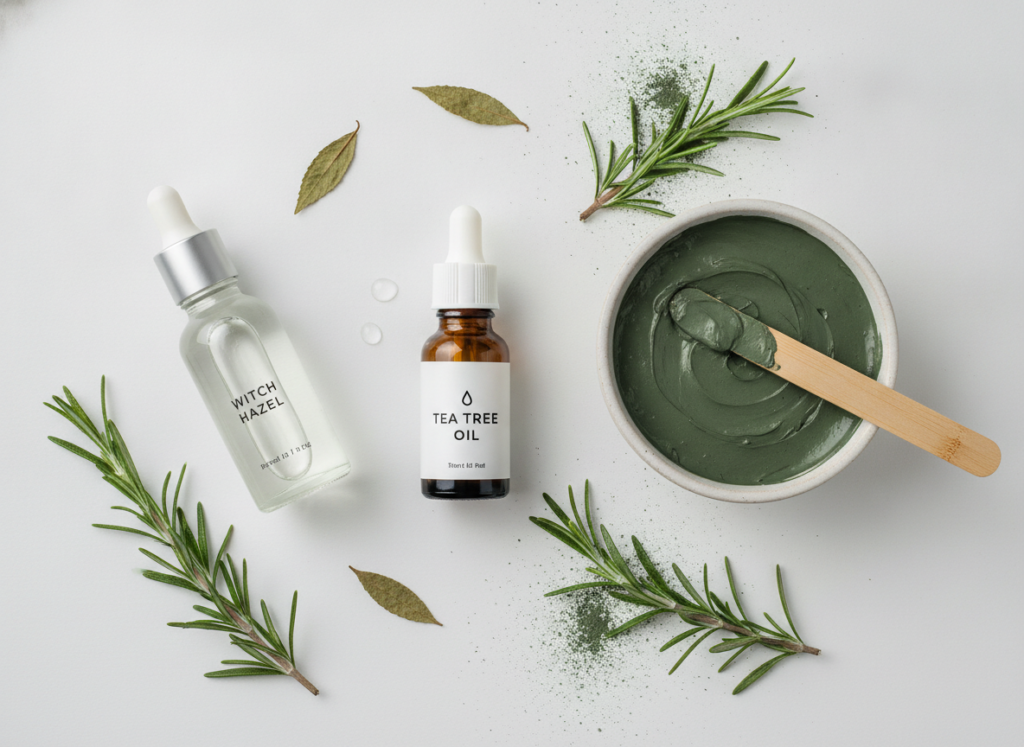
Natural ingredients like witch hazel and tea tree oil help balance oil production. Clay masks draw out impurities without stripping essential moisture. The goal is regulation, not complete oil removal.
Understanding Dry Skin Needs
Dry skin feels tight and may appear flaky or rough. Fine lines become more visible due to lack of moisture. This skin type needs intense hydration and barrier repair.
Rich oils like argan and avocado provide deep nourishment. Hyaluronic acid from natural sources attracts moisture to skin layers. Consistent application of emollients creates a protective barrier against environmental stressors.
Weather changes affect dry skin dramatically. Cold air and indoor heating strip moisture from your face. A proper natural skin care routine combats these effects with plant-based hydration.
Managing Combination Skin
Combination skin displays characteristics of both oily and dry skin. The T-zone (forehead, nose, chin) tends toward oiliness while cheeks remain dry. This common skin type requires balanced care.
Multi-masking works well for combination skin. Apply different masks to different facial zones based on specific needs. Lightweight oils like jojoba balance without adding excess shine.
Your routine should address both concerns simultaneously. Use gentle cleansing that removes oil without over-drying. Follow with targeted serums and a balanced moisturizer that adapts to different areas.
Essential Steps in Your Natural Skin Care Routine
A complete routine follows specific steps in a particular order. Each step prepares your skin for the next product. Proper sequencing maximizes absorption and effectiveness of natural ingredients.
Step One: Gentle Cleansing
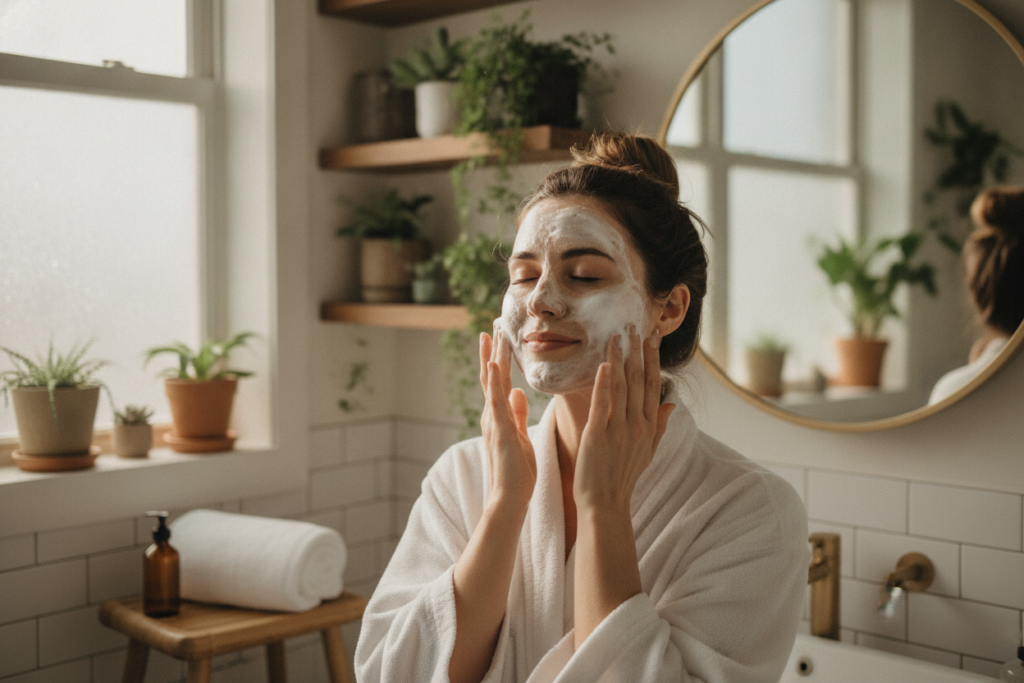
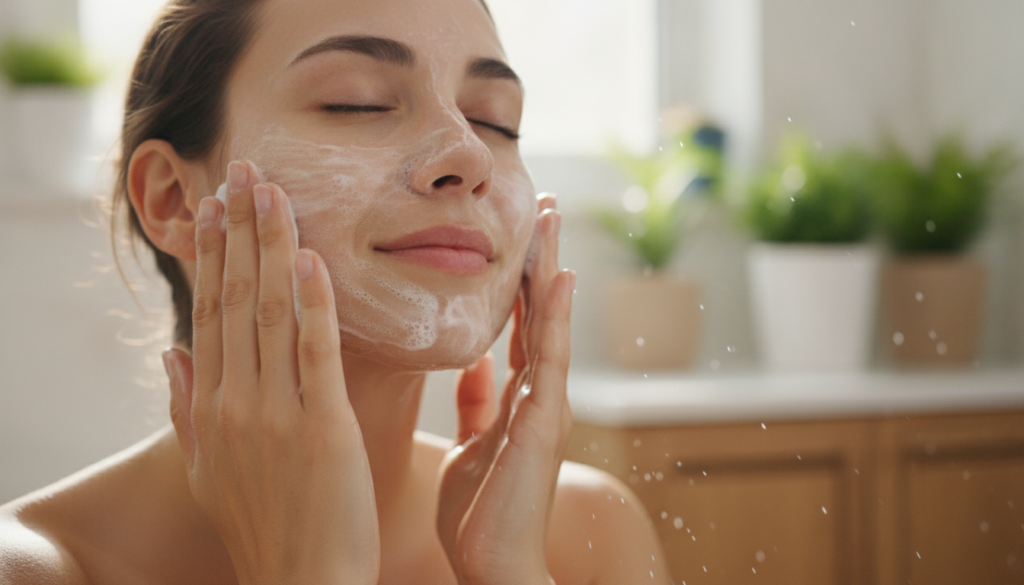
Cleansing removes dirt, oil, and impurities accumulated throughout the day. This first step creates a clean canvas for subsequent products. Natural cleansers use plant-based surfactants instead of harsh sulfates.
Oil cleansing works for all skin types. The method uses natural oils to dissolve makeup and sebum. Your skin feels clean without the tight, stripped sensation common with conventional face wash.
Double cleansing benefits those who wear makeup or sunscreen. The first cleanse removes surface buildup. The second cleanse addresses skin itself, preparing it for treatment products.
Choose cleansing products based on your skin type. Oily skin benefits from gel-based cleansers with clarifying properties. Dry skin needs cream cleansers that preserve natural moisture during the cleansing process.
Find Your Perfect Natural Cleanser
Start your routine right with cleansing solutions designed for your specific skin needs.
Toners restore your skin pH after cleansing. Modern natural toners provide hydration and prep skin for better product absorption. These liquids deliver active ingredients in a lightweight format.
Floral waters make excellent gentle toners. Rose water soothes inflammation while providing light moisture. Witch hazel tightens pores and controls excess oil without alcohol-based harshness.
Application matters as much as the product itself. Pat toner into skin with clean hands or a reusable cotton pad. This method ensures even distribution and gentle absorption into your face.
Some people skip toners thinking they are unnecessary. However, this step significantly improves how skin accepts serums and oils. The time investment is minimal for substantial benefits throughout your routine.
Step Three: Targeted Serums
Serums contain concentrated active ingredients that address specific concerns. These potent formulations penetrate deeply due to their lightweight molecular structure. Natural serums harness plant-based actives for maximum effect.
Vitamin C serums brighten skin and fade dark spots. Natural sources include kakadu plum and sea buckthorn oil. These ingredients deliver antioxidant protection while evening out skin tone over time.
Hyaluronic acid serums attract moisture from the environment. This ingredient can hold up to 1000 times its weight in water. Your skin appears plumper and fine lines become less noticeable with consistent use.
Apply serums to damp skin for better absorption. Use only a few drops per application. These concentrated products go a long way, making them cost-effective despite higher initial prices.
Step Four: Moisturizing and Sealing
Moisturizers lock in all previous layers while providing their own benefits. They create a protective barrier against environmental damage. Natural moisturizers use plant butters and oils to nourish your face.
Day moisturizers should feel lightweight and absorb quickly. Night creams can be richer since your body repairs itself during sleep. Both versions should match your skin type and seasonal needs.
Facial oils count as moisturizers for some skin types. Pure oils like rosehip or marula provide intense nourishment. Layer them under or mix them with cream-based products for enhanced hydration.
The neck and chest need moisture too. These areas show aging signs early but often get neglected. Extend your routine downward to maintain consistent skin health across visible areas.
Powerful Natural Ingredients for Your Skin Care Routine
Natural ingredients offer remarkable benefits backed by centuries of traditional use. Modern research confirms what ancient cultures knew about botanical skincare. Understanding these components helps you make informed product choices.
Beneficial Plant Oils
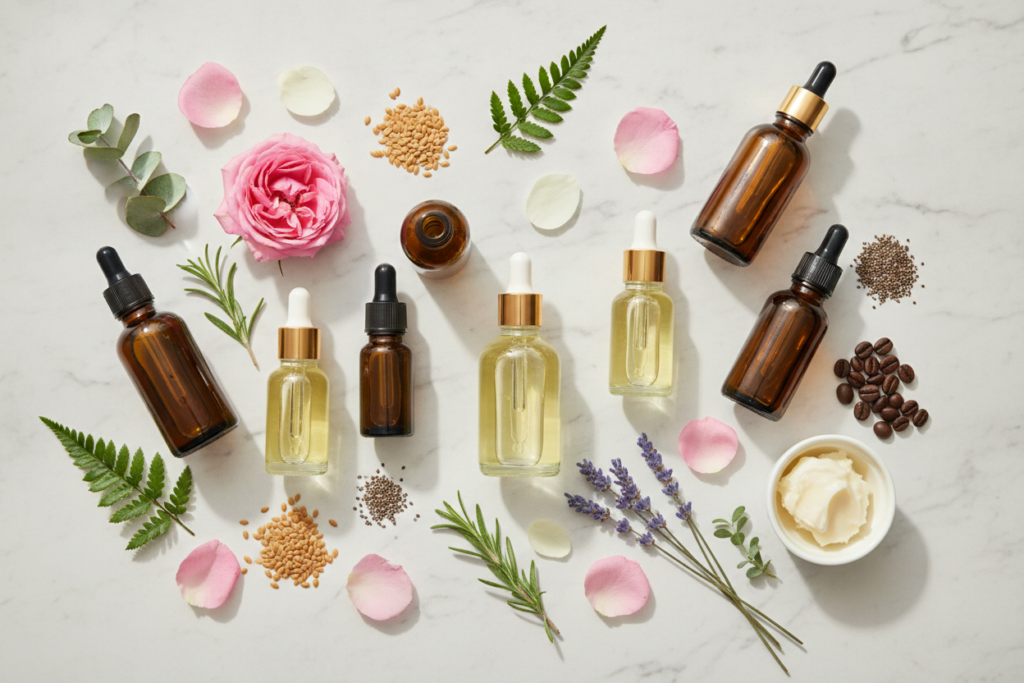
Plant oils form the backbone of natural skin care. These lipid-rich substances mimic your skin natural sebum. Different oils offer unique fatty acid profiles and therapeutic properties for various concerns.
Jojoba Oil Benefits
Jojoba oil closely resembles human sebum. This similarity allows deep penetration without clogging pores. The oil balances both oily and dry skin effectively.
Rich in vitamin E and B-complex vitamins, jojoba nourishes at a cellular level. It provides antimicrobial properties that combat acne-causing bacteria. Many people use it as a standalone moisturizer.
Rosehip Oil Properties
Rosehip oil contains high levels of essential fatty acids. It promotes skin regeneration and fades scars over time. The oil also provides natural retinol alternatives.
This lightweight oil absorbs quickly without greasy residue. Regular use improves skin texture and tone. People with dry skin or aging concerns particularly benefit from its effects.
Argan Oil Advantages
Argan oil delivers intense moisture and antioxidant protection. It softens skin while improving elasticity. The oil works well for both face and body care applications.
High in vitamin E and fatty acids, argan oil fights free radical damage. It helps reduce inflammation and promotes healing. A few drops provide substantial hydration.
Botanical Extracts and Their Effects
Botanical extracts concentrate the active compounds from plants. These ingredients target specific skin concerns with precision. Natural extracts provide powerful results without synthetic additives or harsh chemicals.
Green tea extract offers potent antioxidant protection. It reduces inflammation and protects against sun damage. The polyphenols in green tea fight signs of aging while soothing irritated skin.
Aloe vera extract heals and hydrates simultaneously. This succulent plant contains vitamins, minerals, and amino acids. People have used aloe for burns and skin conditions for thousands of years.
Chamomile extract calms sensitive skin and reduces redness. Its anti-inflammatory properties make it ideal for reactive skin types. The gentle nature of chamomile suits even the most delicate faces.
Natural Acids and Exfoliants
Gentle exfoliation removes dead skin cells and promotes cell turnover. Natural acids provide chemical exfoliation without harsh scrubbing. These ingredients reveal brighter, smoother skin with regular use.
Lactic acid, derived from milk, offers gentle exfoliation. It hydrates while removing dead skin buildup. This acid works well for sensitive skin that cannot tolerate stronger options.
Glycolic acid from sugar cane penetrates deeply. It addresses fine lines, uneven tone, and texture concerns. Start with lower concentrations and build tolerance gradually over several weeks.
Fruit enzymes like papaya and pineapple digest dead skin cells. These natural exfoliants work more gently than acids. Weekly enzyme masks brighten skin without irritation for most people.
Customizing Your Natural Skin Care Routine by Time of Day
Your skin needs different support throughout the day and night. Morning routines prepare and protect. Evening routines repair and rejuvenate. This customization maximizes the benefits of your natural skin care efforts.
Morning Natural Skin Care Routine
Morning care focuses on protection and preparation. Your face encounters environmental stressors throughout the day. A proper routine creates a defensive barrier against these challenges.
Start with a gentle cleanse to remove overnight oil buildup. Your skin produces sebum while you sleep. A light cleansing refreshes without stripping natural moisture your body created overnight.
Apply a vitamin C serum in the morning for antioxidant protection. This ingredient defends against free radical damage from pollution and sun exposure. It also brightens your complexion throughout the day.
Sun protection is non-negotiable in any morning routine. Natural mineral sunscreens use zinc oxide or titanium dioxide. These physical blockers sit on skin surface and reflect harmful UV rays away.
Keep morning products lightweight for comfortable wear. Heavy creams can interfere with makeup application. Choose formulations that absorb quickly and create a smooth base for the day ahead.
Optimize Your Morning Routine
Protect and prepare your skin with natural products designed for daytime defense.
Night routines support your skin natural repair processes. Your body works hardest to regenerate cells during sleep. Evening products should enhance this renewal cycle with targeted ingredients.
Double cleansing becomes especially important at night. Remove all makeup, sunscreen, and daily buildup thoroughly. Clean skin absorbs treatment products more effectively during overnight hours.
Night serums can be more potent than daytime versions. Your skin does not face sun exposure during sleep. This allows use of ingredients that might increase photosensitivity during day time.
Rich night creams or facial oils seal in all previous layers. These heavier formulations work well overnight when texture matters less. They provide intensive moisture while you rest for several hours.
Retinol alternatives from natural sources work best at night. Bakuchiol offers similar benefits without irritation. These ingredients boost collagen production and cell turnover during peak repair time.
Weekly masks enhance evening routines on designated nights. Clay masks for oily skin or hydrating masks for dry skin provide extra care. Limit masking to two or three times per week to avoid overdoing it.
Addressing Specific Skin Concerns Naturally
Everyone faces unique skin challenges. Natural ingredients offer targeted solutions for common concerns. Understanding which components address specific issues helps you build an effective personal routine.
Natural Solutions for Acne-Prone Skin
Acne results from excess oil, bacteria, and inflammation. Natural ingredients combat these factors without harsh chemicals. A thoughtful approach clears skin while maintaining its protective barrier.
Tea tree oil demonstrates powerful antimicrobial properties. It kills acne-causing bacteria without antibiotics. Dilute this potent oil before applying to avoid irritation on sensitive faces.
Salicylic acid from willow bark penetrates pores deeply. It dissolves the buildup that leads to breakouts. This natural BHA exfoliates inside pores rather than just on the surface.
Clay masks absorb excess oil and draw out impurities. Bentonite and kaolin clays work particularly well for acne. Use masks two to three times per week for congested or oily skin types.
Niacinamide reduces inflammation and regulates oil production. This form of vitamin B3 occurs naturally in many plants. It also helps fade post-acne marks over time with consistent application.
Anti-Aging Natural Skin Care
Aging shows through fine lines, wrinkles, and loss of firmness. Natural ingredients stimulate collagen and protect against further damage. Prevention works better than attempting to reverse existing signs later.
Rosehip oil contains natural retinoids that boost cell turnover. It reduces the appearance of fine lines without irritation. The oil also fades age spots and evens skin tone gradually.
Peptides from plant sources signal skin to produce more collagen. These amino acid chains support skin structure from within. Regular use improves firmness and elasticity over several months of time.
Antioxidants protect against free radical damage that accelerates aging. Vitamins C and E work synergistically for maximum effect. Natural sources include sea buckthorn, rosehip, and various botanical extracts.
Dark spots result from excess melanin production. Sun damage, acne scars, and hormonal changes trigger this response. Natural brightening agents fade discoloration without harsh bleaching chemicals.
Vitamin C inhibits melanin production and brightens existing spots. Natural sources provide stable, effective forms of this essential ingredient. Consistent use over several weeks shows visible improvement in skin tone.
Licorice root extract contains glabridin, which lightens hyperpigmentation. This gentle ingredient suits sensitive skin well. It also provides anti-inflammatory benefits for reactive faces.
Kojic acid from mushrooms naturally lightens dark spots. It works by inhibiting an enzyme needed for melanin production. This ingredient proves particularly effective for stubborn discoloration issues.
Alpha hydroxy acids exfoliate the top layer where pigmentation sits. This reveals fresher, more even-toned skin underneath. Regular gentle exfoliation speeds the fading process of dark spots significantly.
Lifestyle Factors That Support Your Natural Skin Care Routine
Products alone cannot create perfect skin. Your daily habits significantly impact how your face looks and feels. A holistic approach combines external care with internal health for optimal results.
Diet and Hydration for Healthy Skin
What you eat directly affects your skin health. Nutrients from food provide building blocks for skin cells. A balanced diet rich in whole foods shows on your face within weeks.
Omega-3 fatty acids reduce inflammation throughout your body. Sources include fatty fish, walnuts, and flaxseeds. These healthy fats strengthen your skin barrier and improve moisture retention.
Antioxidant-rich fruits and vegetables protect against oxidative stress. Berries, leafy greens, and colorful produce provide these compounds. They work from inside out to complement topical products.
Hydration affects skin plumpness and function. Aim for eight glasses of water daily at minimum. Proper hydration helps flush toxins and keeps skin cells functioning optimally throughout the day.
Limit sugar and processed foods that trigger inflammation. These items can worsen acne and accelerate aging. Whole, unprocessed foods support clear, healthy skin more effectively than any cream.
Sleep and Stress Management
Quality sleep allows skin to repair itself. Your body produces collagen and growth hormone during deep sleep. Lack of rest shows quickly through dull complexion and dark circles under eyes.
Aim for seven to nine hours of sleep nightly. Create a relaxing bedtime routine to improve sleep quality. Your skin care routine can become part of this calming evening ritual each night.
Chronic stress releases cortisol that damages skin. This hormone triggers inflammation and breaks down collagen. Stress management practices protect your complexion as much as any product application.
Exercise increases blood flow to skin cells. This circulation delivers oxygen and nutrients while removing waste products. Regular physical activity gives you a natural glow that no makeup can replicate.
Environmental Protection
External factors constantly challenge your skin. Pollution, UV rays, and harsh weather take their toll. Protecting against these stressors preserves your natural skin care efforts and results.
Daily sun protection prevents most visible aging. UV damage accumulates over time and shows later as wrinkles and spots. Make sunscreen a non-negotiable step in your morning routine every single day.
Indoor air quality affects skin moisture levels. Heating and air conditioning dry out the air. Use a humidifier to maintain optimal moisture levels, especially during winter months at home.
Pollution creates free radicals that damage skin. Antioxidant products help neutralize these harmful molecules. Consider this protection especially important if you live in urban areas with poor air quality.
Building Your Personalized Natural Skin Care Routine
Creating an effective routine requires understanding your specific needs. Start simple and add products gradually. This approach helps you identify what works without overwhelming your skin or budget.
Starting with the Basics
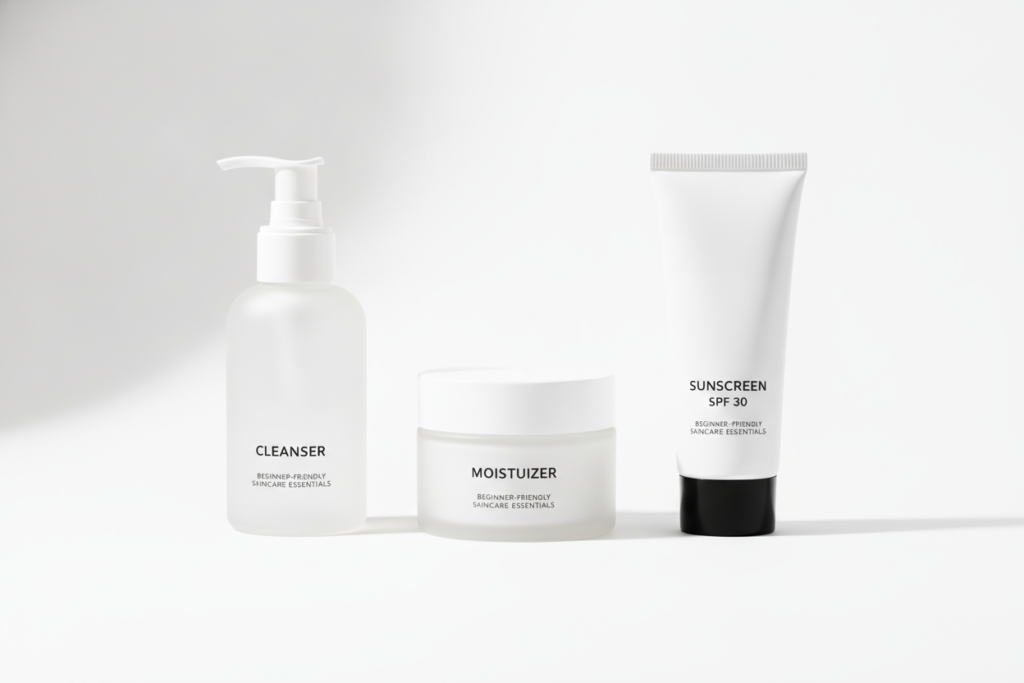
Every routine needs three fundamental steps: cleanse, moisturize, and protect. Master these basics before adding extra products. A simple routine performed consistently outperforms complex routines done sporadically.
Choose a gentle cleanser appropriate for your skin type. This product should remove impurities without causing tightness. Natural cleansers work effectively while respecting your skin protective barrier each time.
Select one good moisturizer to start. It should feel comfortable and absorb well. You can always adjust or add products later as you learn your skin response patterns.
Sun protection completes the essential trio. Find a natural sunscreen you will actually wear daily. Consistency matters more than finding the absolute perfect product from the start of your journey.
Build Your Perfect Routine
Get personalized guidance for creating a natural skin care routine that delivers real results.
Once basics are established, introduce treatments for specific concerns. Add one new product at a time with two-week intervals. This method helps you identify which items actually make a difference.
Serums address particular issues like aging or hyperpigmentation. These concentrated products pack powerful ingredients into small bottles. A little goes a long way with properly formulated serums that penetrate deeply.
Exfoliants improve texture and clarity when used appropriately. Start with once weekly application and increase gradually. Over-exfoliation damages skin, so less often proves more effective than daily use.
Masks provide intensive care for specific needs. Clay masks for deep cleansing, hydrating masks for dry skin. Use these treatments two to three times per week as an enhancement to daily steps.
Eye creams target the delicate area around eyes. This thin skin shows aging signs first. Specialized products address puffiness, dark circles, and fine lines in this sensitive zone effectively.
Adjusting for Seasons and Changes
Your skin needs change throughout the year. Winter demands more moisture while summer requires lighter textures. Adjust your routine seasonally for optimal results in varying conditions and weather.
Cold weather strips moisture from skin. Switch to richer creams and add facial oils during winter months. Layer products to create a stronger barrier against harsh environmental conditions outside.
Hot, humid weather calls for lighter formulations. Gel-based products work well in summer heat. You may need less moisturizer but more frequent cleansing during these warmer times.
Hormonal changes affect skin throughout life. Pregnancy, menopause, and monthly cycles alter skin needs. Listen to your face and adjust products accordingly during these transitional periods.
Age-related changes require routine evolution. Your twenties differ from your forties in skin care needs. Update your routine as you age to address new concerns and changing skin characteristics.
Common Mistakes in Natural Skin Care Routines
Even with natural products, mistakes can undermine your efforts. Recognizing common errors helps you avoid wasted time and money. Small adjustments often lead to dramatically improved results across all skin types.
Over-Cleansing and Stripping Skin
Many people cleanse too frequently or use harsh products. This strips away your skin natural protective oils. The result is compromised barrier function and increased sensitivity over time.
Morning cleansing can be done with water alone for some skin types. Your face is not dirty when you wake up. A full cleanse twice daily often proves too much for dry or sensitive skin.
Hot water damages your skin barrier. Use lukewarm water for cleansing always. The comfortable temperature protects your face while still effectively removing impurities and product buildup.
Avoid scrubbing your face aggressively. Gentle circular motions work better than harsh rubbing. Your skin is delicate and deserves careful handling during every step of your care routine.
Using Too Many Products at Once
More products do not equal better results. Layering too many items can overwhelm your skin. Start minimal and add gradually based on actual need rather than marketing claims or trends.
Give new products time to work before adding more. Most ingredients need four to six weeks to show results. Patience prevents the confusion of not knowing what actually helps your specific concerns.
Check ingredient compatibility before combining products. Some natural ingredients should not be used together. Research interactions or consult with a skincare professional for guidance on safe combinations.
Your skin has limits to what it can absorb. Excess product just sits on the surface or pills off. Use the recommended amount for each product type to maximize effectiveness.
Neglecting Consistency
Sporadic care produces sporadic results. Your skin needs consistent support to improve and maintain health. Daily commitment matters more than expensive products used occasionally when you remember.
Natural ingredients work gradually over time. Unlike harsh chemicals that show quick temporary results, botanical ingredients need weeks to deliver lasting benefits. Trust the process and stick with your routine.
Evening routines often get skipped when tired. Make your routine simple enough to complete even on exhausting days. Consistency with basics beats perfection with complex routines attempted sporadically.
Track your routine and results. Photos help you see gradual improvements you might miss daily. This documentation motivates continued effort when immediate changes are not obvious to the eye.
Natural Ingredients to Approach with Caution
Natural does not automatically mean safe for everyone. Some plant ingredients can irritate or cause reactions. Understanding potential issues helps you make informed choices for your specific skin type and needs.
Essential Oils and Sensitivity
Essential oils contain concentrated plant compounds. These potent extracts can irritate skin when used improperly. Always dilute essential oils in carrier oils before facial application for safety.
Citrus oils increase sun sensitivity. They contain compounds that react with UV light. Avoid using these ingredients before sun exposure to prevent burns and pigmentation issues on your face.
Some people have allergies to specific botanicals. Perform patch tests before applying new products to your entire face. Test on your inner arm and wait 24 hours to check for reactions.
Fragrant essential oils can cause irritation. Even natural fragrances trigger sensitivity in some individuals. Consider fragrance-free options if you have reactive skin or a history of allergic responses.
Potentially Irritating Natural Extracts
Certain natural ingredients cause problems despite their plant origins. Peppermint and menthol create a cooling sensation that irritates. This tingling is not necessarily beneficial and can damage your barrier.
Lemon juice is too acidic for direct skin application. While it contains vitamin C, the pH can burn and damage. Use formulated products with stable vitamin C instead of raw citrus juice.
Cinnamon and similar spices can cause burns. These ingredients are sometimes used in DIY masks but are too harsh. Stick with properly formulated products rather than experimenting with kitchen ingredients.
Nut oils may trigger reactions in people with allergies. Almond oil, for example, should be avoided by those allergic to tree nuts. Know your allergies and read ingredient lists carefully before purchasing.
Cost-Effective Natural Skin Care Strategies
Quality natural products need not break your budget. Smart shopping and strategic choices stretch your skincare dollars. Effective care comes from knowledge and consistency rather than expensive collections.
Multi-Purpose Natural Ingredients
Single ingredients serve multiple purposes. Pure oils and simple products offer versatility and value. Stock your routine with items that work across different steps and body areas.
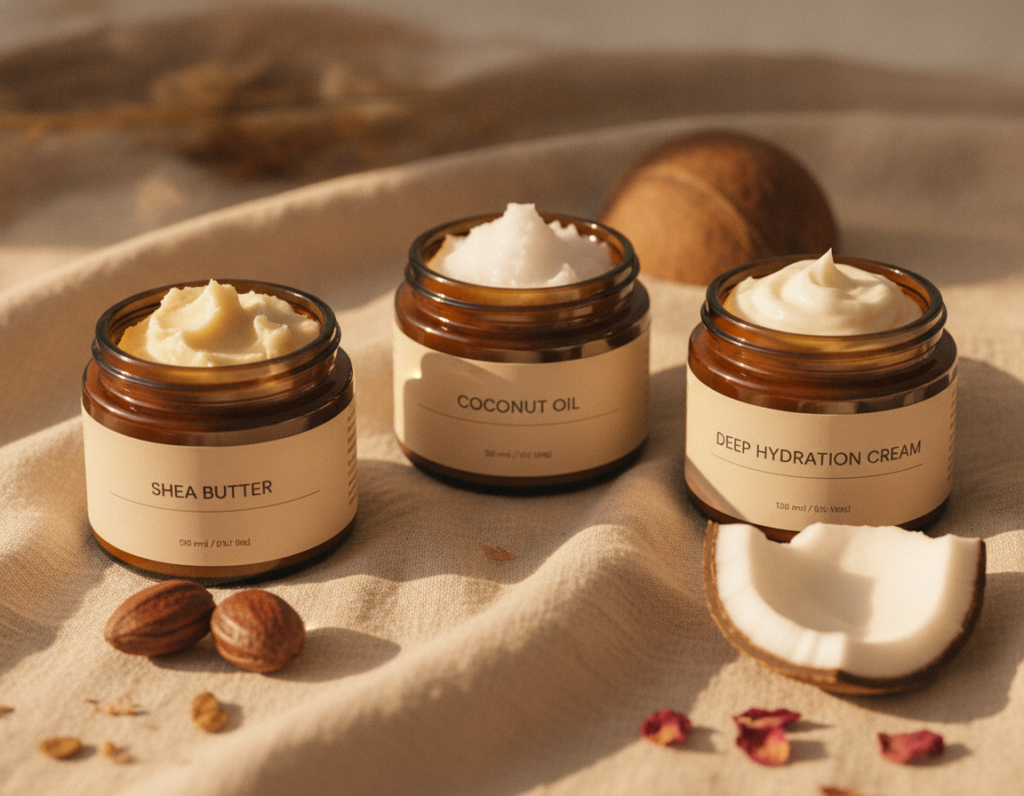
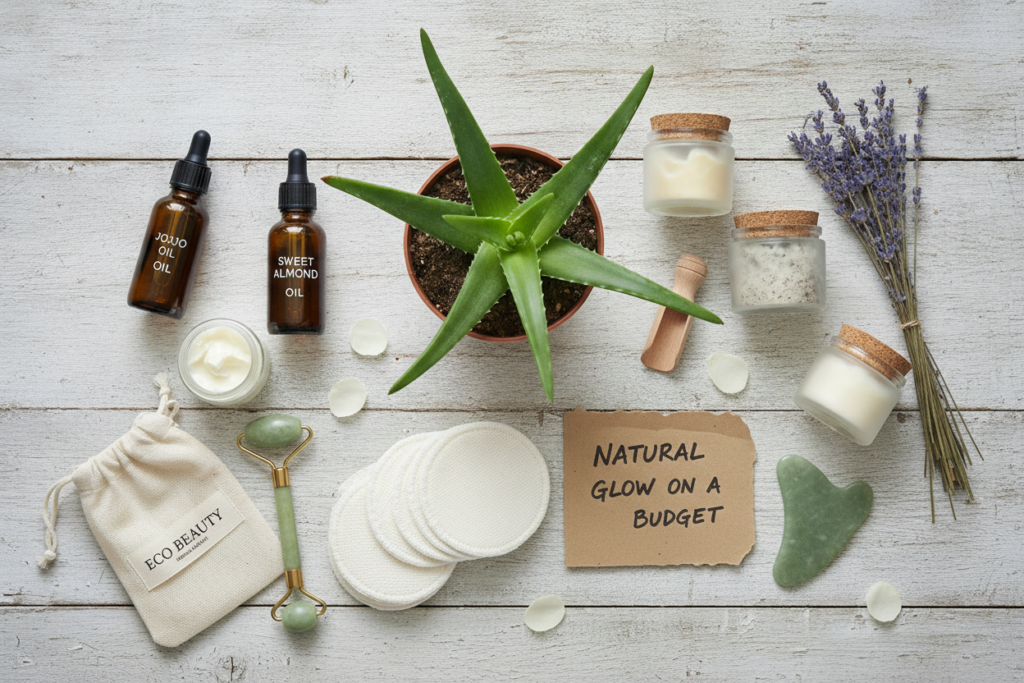
Coconut oil works as makeup remover, body moisturizer, and hair mask. This single jar replaces multiple products in your bathroom. Choose organic, cold-pressed versions for best quality and results.
Aloe vera gel soothes, hydrates, and heals. Use it after cleansing, as a mask base, or on sunburns. A single aloe plant provides endless free gel for your entire family’s needs.
Witch hazel serves as toner, pore minimizer, and setting spray. This affordable liquid performs multiple functions effectively. One bottle lasts months with daily use on your face.
DIY Options with Caution
Homemade treatments can be cost-effective when done safely. However, formulation matters more than simply mixing kitchen ingredients. Educate yourself properly before creating your own skincare products at home.
Simple face masks from pantry items work well. Honey and oatmeal soothe and hydrate. These gentle ingredients rarely cause problems when used in basic combinations on most skin types.
Oil blending allows customization for your skin needs. Purchase base oils in bulk and create your own facial oil. This approach costs less than buying pre-made blends from retail brands.
Preservation becomes crucial for homemade products. Water-based creations need proper preservatives to prevent bacterial growth. Stick with oil-only blends or single-use portions if you cannot add preservatives safely.
Maximize Your Skincare Investment
Learn professional strategies for achieving beautiful skin without spending a fortune on products.
Measuring Success in Your Natural Skin Care Journey
Progress happens gradually with natural ingredients. Tracking changes helps you stay motivated. Objective assessment shows what works so you can refine your routine accordingly.
Setting Realistic Expectations
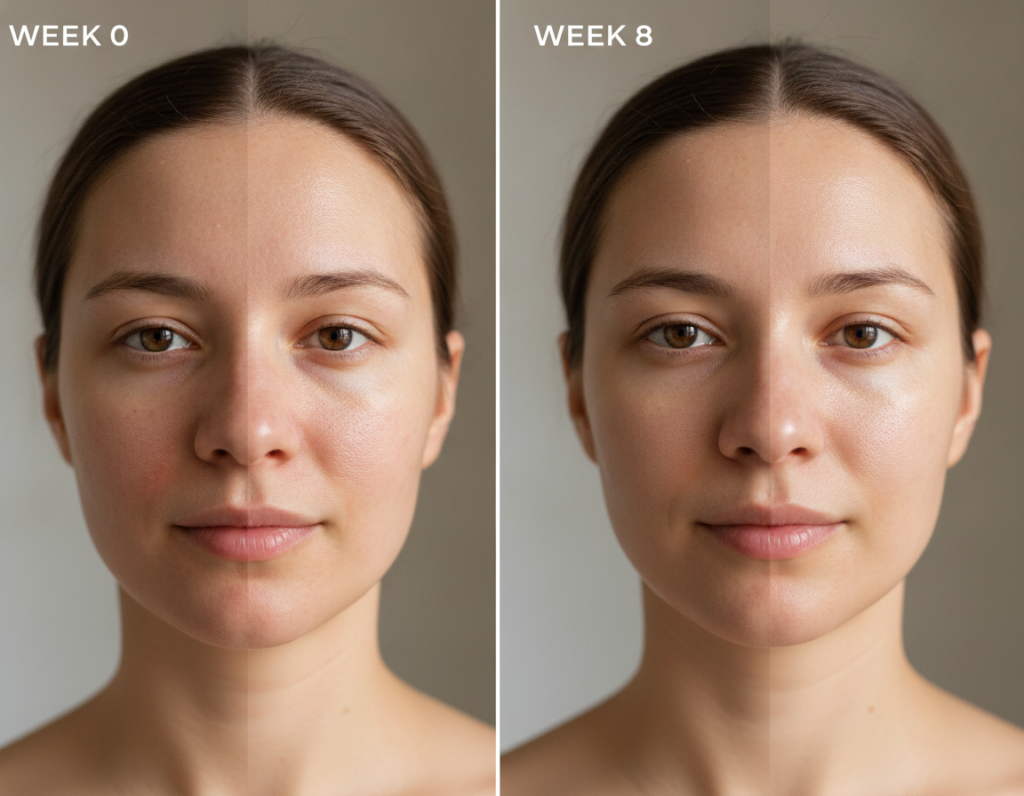
Natural skin care requires patience. Most ingredients need six to eight weeks to show visible results. Quick fixes rarely provide lasting benefits compared to steady improvement over time.
Your skin did not develop concerns overnight. Reversing damage takes time and consistent effort. Set monthly goals rather than expecting transformation in days or even single weeks.
Some concerns improve faster than others. Hydration shows quickly while pigmentation fades slowly. Understanding typical timelines prevents frustration and unnecessary product switching before ingredients can work.
External factors affect results beyond your control. Stress, hormones, and environment impact skin constantly. A perfect routine cannot eliminate all variables that influence your face daily.
Documentation and Progress Tracking
Photos reveal changes you might miss in the mirror. Take weekly pictures in consistent lighting. Same location, time of day, and facial position allow accurate comparison over months.
Keep a simple journal noting products and skin observations. Record breakouts, dryness, or improvements you notice. Patterns emerge that help you understand your skin triggers and needs better.
Note product start dates in your journal. This tracking helps you evaluate whether new items make a difference. Give each product adequate time before deciding to keep or replace it.
Pay attention to how your skin feels, not just looks. Comfort, softness, and reduced sensitivity indicate progress. These improvements may precede visible changes you can see in photographs.
Embracing Your Natural Skin Care Journey
Building an effective natural skin care routine transforms more than your complexion. The process teaches you to understand and care for your skin properly. This knowledge serves you throughout life as your needs evolve.
Natural ingredients offer gentle yet effective solutions. Your face responds positively to botanicals that work with its natural functions. Patience and consistency unlock the full potential of plant-based care for every skin type.
Remember that perfect skin does not exist. Everyone experiences occasional breakouts, dry patches, or dullness. A good routine minimizes these issues and helps you maintain healthy skin most of the time.
Your journey will involve some trial and error. What works for others may not suit your specific skin needs. Stay patient as you discover the right combination of products and practices for your unique face.
Celebrate small improvements along the way. Clearer skin, better texture, or reduced sensitivity all represent success. These cumulative changes create the healthy, glowing complexion you desire over several months of care.
Continue learning about natural ingredients and skin health. Knowledge empowers better decisions about products and practices. Your routine can evolve as you discover new information and as your skin changes with time.
The investment in natural skin care pays dividends. You avoid exposing your body to questionable chemicals. Your skin receives nourishment from ingredients that support rather than compromise its health and function.
Start your natural skin care routine today with simple steps. Add products gradually as you understand your needs better. Your future self will thank you for the care you begin providing right now.