The right curl routine can look as good as it feels. Think clean bottles, soft textures, defined curls, and a shelf that makes wash day easier. This guide shows how to choose products, arrange them, and create a polished routine for curls, coils, and waves.
You do not need a large collection. A few well-matched products can provide moisture, curl definition, frizz control, and healthy-looking body. The goal is a routine that works in real life and looks lovely in a photo.
What Makes a Curly Hair Products Aesthetic Work?
A strong aesthetic has a clear color story and a clear purpose. Neutral bottles create a calm look. Bright labels can create a playful shelf. Amber bottles, glass jars, and wood details suit a natural theme.
Do not choose products only because the packaging looks good. A beautiful bottle cannot replace the right moisture level, hold, or cleansing power. Let performance lead, then create the visual style around it.
Use a three-part visual plan
Color
Choose two or three colors. Cream, brown, and green create a soft natural mood. White, clear, and pale blue feel fresh and simple.
- Repeat one color across the shelf
- Keep labels facing forward
- Use one accent shade
Texture
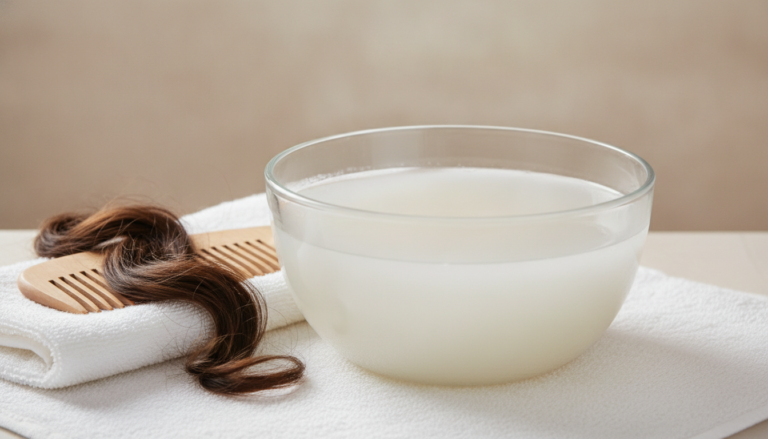
Mix smooth bottles with a woven tray or a small ceramic dish. Texture gives the photo depth without making the set look crowded.
- Add a towel or comb
- Keep wet items separate
- Use soft natural materials
Order
Arrange products in wash-day order. Shampoo comes first, conditioner follows, and styling products finish the set.
- Group products by step
- Place daily items in front
- Store backups behind the set
Visual rule: Leave open space around the main curl products. Negative space makes a shelf photo feel intentional and helps each product stand out.
Shelf concept
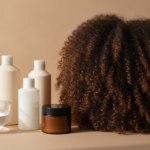
Create a calm wash-day corner with products grouped by use. Keep the composition clean and easy to copy.
Choose Products by Curl Need, Not Packaging Alone
Curl products should support the way your hair behaves. Fine waves may need light hydration and a soft gel. Thick coils may need richer moisture, a hair butter, and strong definition. Porosity, density, and climate also affect the result.
The core product set
- Curl shampoo: Choose a gentle cleanser for regular wash days. A stronger wash can help remove oil and buildup when needed.
- Curl conditioner: Look for slip and moisture. Good slip helps fingers or a wide-tooth comb move through wet hair.
- Mask: Use a mask when curls feel rough, dry, or weak. It should support hydration without leaving a heavy coating.
- Leave-in or hair butter: Pick a light leave-in for waves and fine curl types. Choose hair butter when coils need more softness and protection.
- Gel: Gel supports curl definition and helps reduce frizz. Apply it to very wet hair for smoother clumps.
- Hair oil: A small amount can soften the feel of a dry cast and add shine. Too much oil may flatten fine hair.
Match the set to the problem
- Hydrating shampoo
- Rich conditioner
- Weekly mask
- Small amount of hair oil
For dryness
- Moisture-focused wash
- Smoothing leave-in
- Gel with flexible hold
- Gentle drying method
For frizz
- Light styling base
- Clump-friendly gel
- Sectioned application
- Minimal touching while drying
For weak definition
Style Curls in a Simple, Aesthetic Wash Day
A polished photo often starts with a consistent process. Use less product than you think at first. You can add more, but removing excess product is harder.
- Cleanse: Wet the hair fully. Work curl shampoo into the scalp and let the rinse move through the lengths.
- Condition: Apply curl conditioner from the middle of the hair to the ends. Detangle while the hair is wet and coated.
- Rinse with care: Leave a small amount of conditioner if the hair needs extra softness. Fine hair may need a cleaner rinse.
- Apply moisture: Smooth in a leave-in, cream, or hair butter. Use sections so each curl receives an even layer.
- Add definition: Scrunch in gel with wet hands. Press and release the curls instead of brushing them apart.
- Dry gently: Air-dry or use a diffuser on low heat and low airflow. Do not touch the curls until they are mostly dry.
- Finish: Break the cast with dry hands. Add one drop of hair oil only if the ends feel rough.
Make the routine photograph well
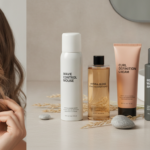
Set products on a dry towel before styling. Place the curl cream, gel, and oil in the front row. Keep the shampoo and conditioner together as a duo. This creates a useful image and reminds you of the correct order.
For a Pinterest image, use a bright window, a plain surface, and one natural prop. A comb, claw clip, towel, or small plant can add context. Avoid a crowded background because it competes with the curl products.
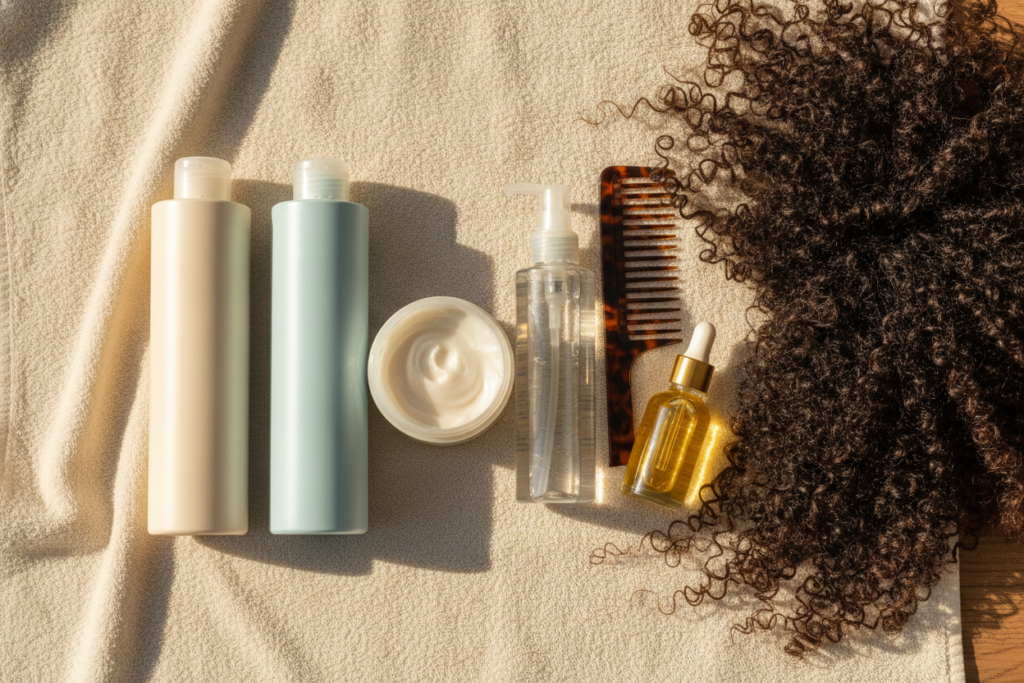
Wash-day layout
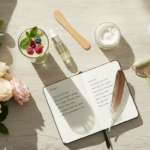
Use a clean flat lay to show the complete set. Keep every step visible without making the image feel busy.
Build the Look for Waves, Curls, and Coils
Different curl patterns need different amounts of product. A routine should also reflect density, strand thickness, and the finish you want. Start with a small amount and test one change at a time.
Waves
Waves can lose body when a routine is too rich. Use a light curl shampoo, conditioner, and leave-in. A soft gel can improve definition without making the hair feel coated.
- Choose light moisture
- Scrunch from the ends
- Use dry shampoo between washes if needed
Loose to tight curls
Curls often need a balance of moisture and hold. A conditioner with good slip can make wash day easier. Add a curl cream or gel based on how much definition and frizz control you need.
- Style in small sections
- Layer moisture before gel
- Refresh with water first
Coils
Coils may benefit from richer hydration and careful sectioning. A hair mask, hair butter, and strong styling product can help protect softness and shape.
- Keep hair wet while styling
- Use a rich conditioner
- Protect the set at night
Refresh without restarting wash day
Mix water with a small amount of leave-in in your hands. Press it over flattened areas, then reshape the curl. Add gel only where definition is missing. This approach uses less product and helps prevent buildup.
Dry shampoo can help extend a style when the scalp needs freshness but the lengths still look good. Apply it to the roots, wait briefly, and massage gently. Avoid using it as a replacement for cleansing.
Turn Your Curl Routine into Pinterest-Worthy Content
Pinterest readers respond to clear visuals and useful promises. Show the products in a real routine, not as a random pile. A before-and-after layout, wash-day flat lay, or organized shelf can communicate the idea quickly.
Use a strong image concept
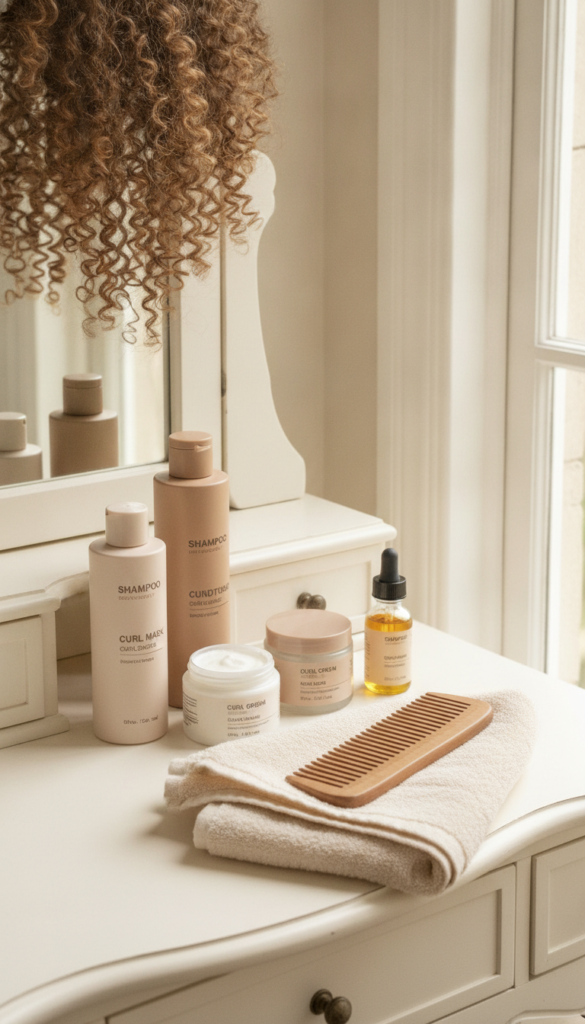
Vertical image concept
Use a tall composition with the product set in the lower half and the curls entering from the side. Keep the entire image free of text overlays.
CTA patterns that fit this search
The ranking collection pages likely rely on direct shopping prompts because visitors can already see product categories. That approach works for warm prospects. Your guide can improve the path by explaining the choice before asking for the click.
- Use “Explore Curl Options” for cold readers who are still browsing.
- Use “Find Your Curl Set” after a product comparison or routine checklist.
- Use “Shop Curl Care” when the reader has reached a purchase-ready section.
- Repeat one clear action instead of placing several competing buttons together.
- Connect each CTA to a specific benefit such as hydration, hold, or frizz control.
Optional routine reminder
Keep the Aesthetic Simple and the Routine Consistent
The best curly hair products aesthetic combines useful products with a thoughtful presentation. Start with shampoo, conditioner, moisture, and definition. Add a mask, hair oil, or dry shampoo only when your hair and lifestyle call for it.
Choose a color story, arrange the set in wash-day order, and photograph it in soft natural light. Most important, test products slowly. A small, consistent routine is easier to understand, easier to style, and easier to enjoy.