Crochet skirts are versatile, stylish additions to any wardrobe that allow for endless creativity and personal expression. Whether you’re looking for a breezy summer piece, an elegant maxi design, or a cozy winter skirt, crochet offers limitless possibilities to craft a garment that’s uniquely yours. This comprehensive guide will walk you through everything you need to know about crochet skirt patterns – from selecting the perfect yarn and hook to mastering essential techniques and customizing your creation to fit perfectly.
This Website contains affiliate links. That means I may earn a small commission if you purchase through my links, at no extra cost to you.
Why Crochet Your Own Skirt?
Crocheting your own skirt offers numerous advantages over store-bought options. First, you gain complete creative control over the style, length, color, and fit. You can create a garment that perfectly suits your body shape and personal aesthetic. Additionally, handmade crochet skirts often feature unique textures and patterns that simply can’t be found in mass-produced clothing.
Beyond the creative aspects, crocheting is also a mindful, relaxing activity that provides a sense of accomplishment. There’s something deeply satisfying about wearing a garment you’ve made with your own hands. Plus, with the right pattern and materials, you can create high-quality, durable skirts that will last for years to come.
Whether you’re a beginner looking for a simple project or an experienced crocheter seeking a new challenge, there’s a crochet skirt pattern perfect for your skill level and style preferences.
Popular Crochet Skirt Styles
Crochet skirts come in a variety of styles, each with its own unique characteristics and construction techniques. Understanding these different styles will help you choose the perfect pattern for your needs.
A-Line Skirts

A-line crochet skirts feature a fitted waist that gradually flares out toward the hem, creating a silhouette resembling the letter “A.” This universally flattering style works well for all body types and skill levels. A-line patterns typically start with a waistband followed by gradual increases to create the flare.
Perfect for: Beginners and those wanting a versatile, flattering skirt.
Pencil Skirts
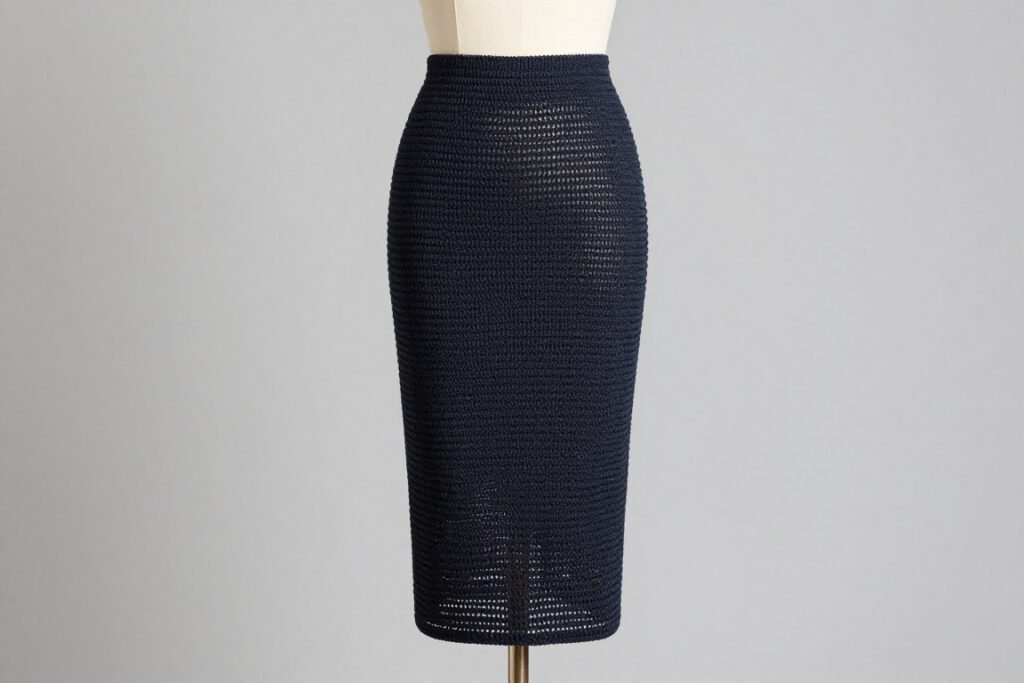
Pencil crochet skirts are fitted from waist to hem with little to no flare. These sophisticated skirts require more precise shaping and often incorporate elastic for a snug fit. The construction typically involves working in rounds with strategic decreases to follow body contours.
Perfect for: Intermediate crocheters looking for a more tailored, professional-looking garment.
Maxi Skirts
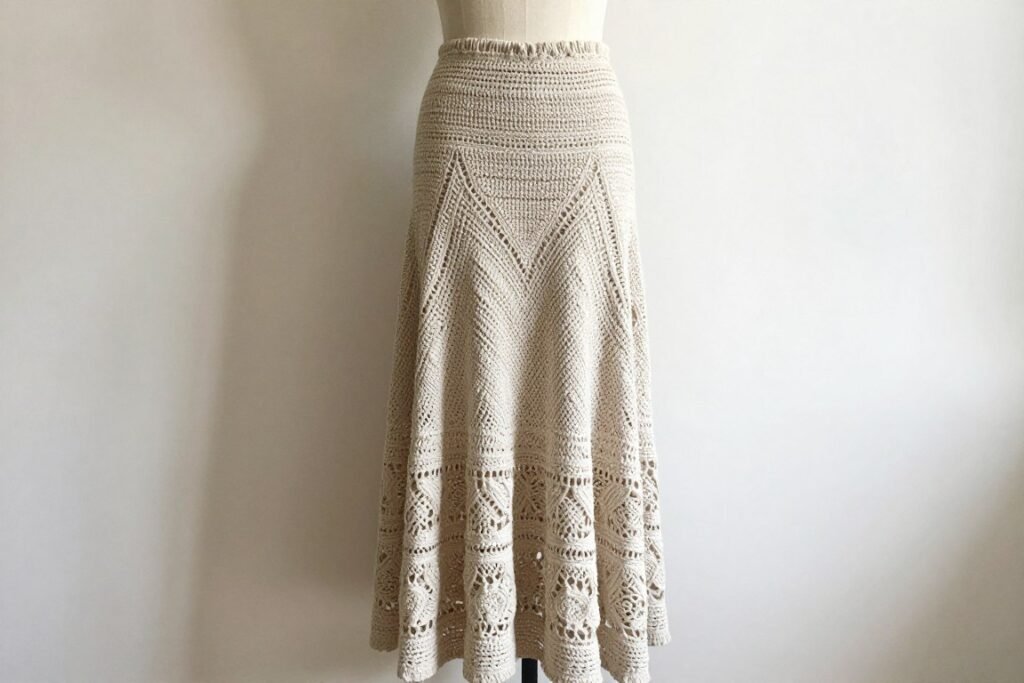
Maxi crochet skirts extend to the ankles, creating a dramatic, flowing look. These skirts can incorporate various stitch patterns and may feature tiers, ruffles, or lace details. Maxi patterns often require more yarn and time but result in stunning statement pieces.
Perfect for: Crocheters of all levels looking for a dramatic, bohemian-inspired garment.
Mini Skirts

Mini crochet skirts hit above the knee and are perfect for warmer weather or layering. These quick-to-make projects are excellent for beginners and can showcase fun stitch patterns without requiring too much yarn or time.
Perfect for: Beginners or those wanting a quick project with minimal yarn requirements.
Wrap Skirts
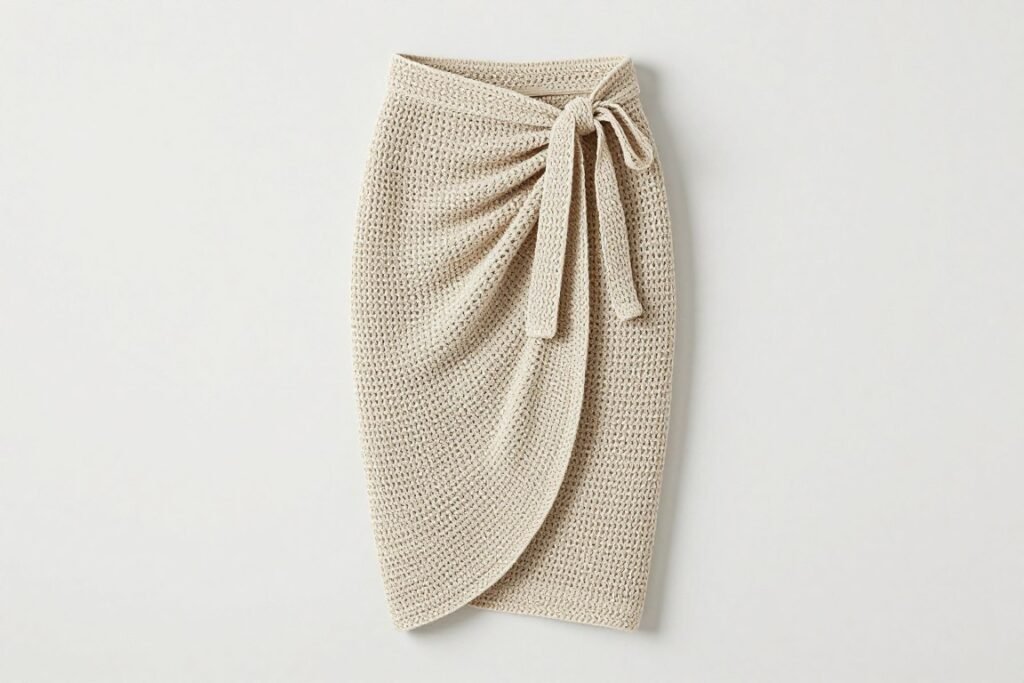
Wrap crochet skirts feature an overlapping front secured with ties or buttons. These adjustable skirts are forgiving in fit and can be styled in multiple ways. Construction typically involves creating rectangular or shaped panels that wrap around the body.
Perfect for: Crocheters who want an adjustable fit or those who enjoy convertible styles.
Circle Skirts
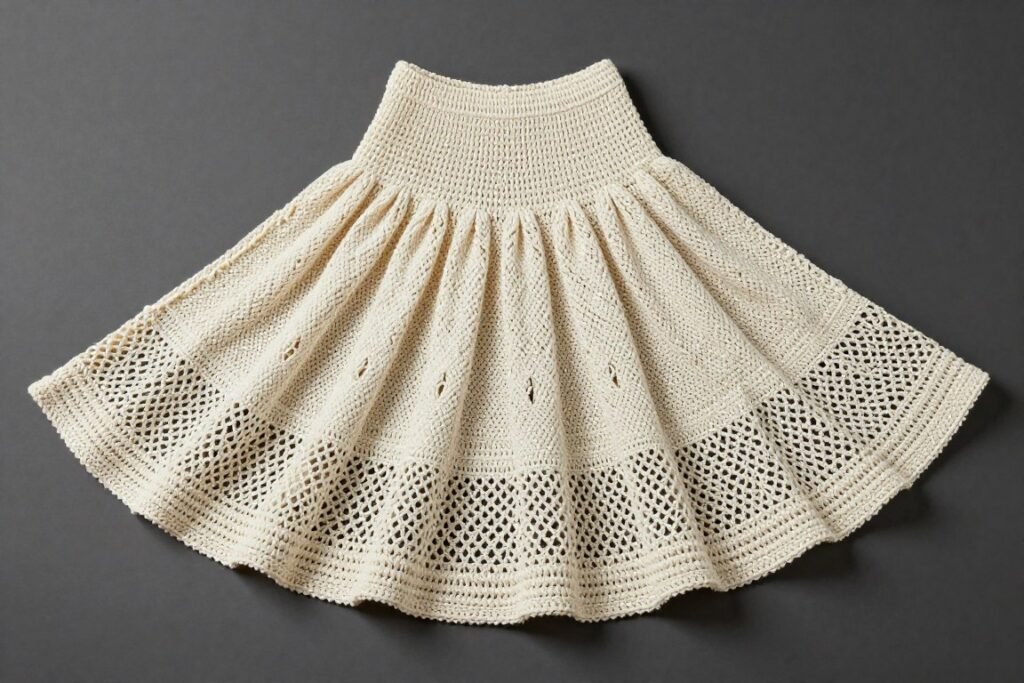
Circle crochet skirts feature a dramatic, even flare all around, creating a full, twirly silhouette. These skirts are worked from the waist down in rounds, with increases distributed evenly to create the circular shape. They’re perfect for dancing and create a playful, feminine look.
Perfect for: Intermediate crocheters who want a fun, twirly skirt with dramatic movement.
Essential Materials for Crocheting Skirts
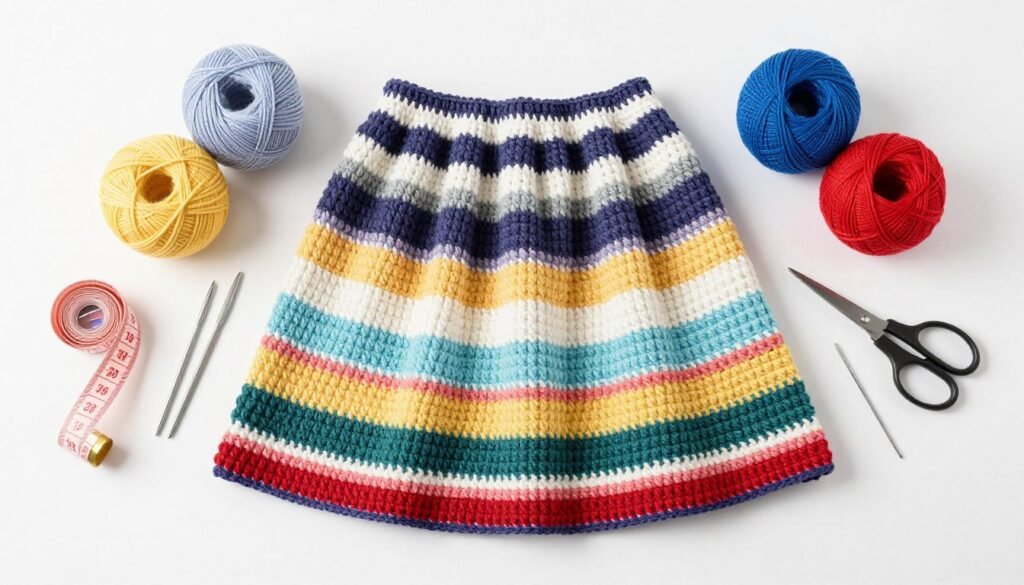
Choosing the Right Yarn
The yarn you select will significantly impact your skirt’s drape, weight, and overall appearance. Here are some popular options for crochet skirts:
- Cotton yarn – Breathable, sturdy, and perfect for summer skirts. Cotton provides excellent stitch definition and is machine washable. For a lightweight, breathable summer skirt, consider mercerized cotton yarn which has a beautiful sheen and drapes well.
- Cotton blends – Combining cotton with modal, bamboo, or a touch of elastic creates yarns with enhanced drape and a bit of stretch. These blends are ideal for fitted skirt styles that need to maintain their shape.
- Lightweight wool – For cooler weather, merino or alpaca wool creates warm yet breathable skirts. These natural fibers provide excellent drape and a luxurious feel.
- Acrylic or acrylic blends – Budget-friendly and available in countless colors, acrylic yarns are easy to care for and work well for everyday skirts. Look for higher-quality acrylics that mimic the feel of natural fibers.
When selecting yarn weight, consider the drape you want to achieve:
- Fingering/sock weight (1) – Creates delicate, lightweight skirts with beautiful drape, perfect for lacy patterns.
- DK/light worsted weight (3) – The most versatile option, offering good drape while working up relatively quickly.
- Worsted weight (4) – Works well for structured skirts and beginner projects, as it’s easy to work with and creates a sturdier fabric.
Selecting the Appropriate Hook Size
Your hook size should complement your chosen yarn and desired fabric density. Generally, you’ll want to use the hook size recommended on your yarn label as a starting point. For skirts, consider these guidelines:
- For a drapier fabric with more movement, use a hook one or two sizes larger than recommended on the yarn label.
- For a more structured fabric with less transparency, use the recommended hook size or one size smaller.
- Ergonomic hooks with comfortable handles are worth the investment for larger projects like skirts to prevent hand fatigue.
Additional Supplies
Beyond yarn and hooks, you’ll need these essential tools:
- Measuring tape – Essential for taking body measurements and checking your work.
- Stitch markers – Helpful for marking pattern repeats, increases, or the beginning of rounds.
- Yarn needle – For weaving in ends and seaming pieces together if needed.
- Scissors – Sharp scissors dedicated to your yarn projects.
- Elastic – Many skirt patterns incorporate elastic in the waistband for a secure fit.
- Blocking supplies – Blocking mats, pins, and spray bottle for finishing your skirt professionally.
Ready to Start Your Crochet Skirt Project?
Gather all your essential supplies in one place with this convenient starter kit that includes ergonomic hooks, stitch markers, measuring tape, and more!
Essential Crochet Techniques for Skirts
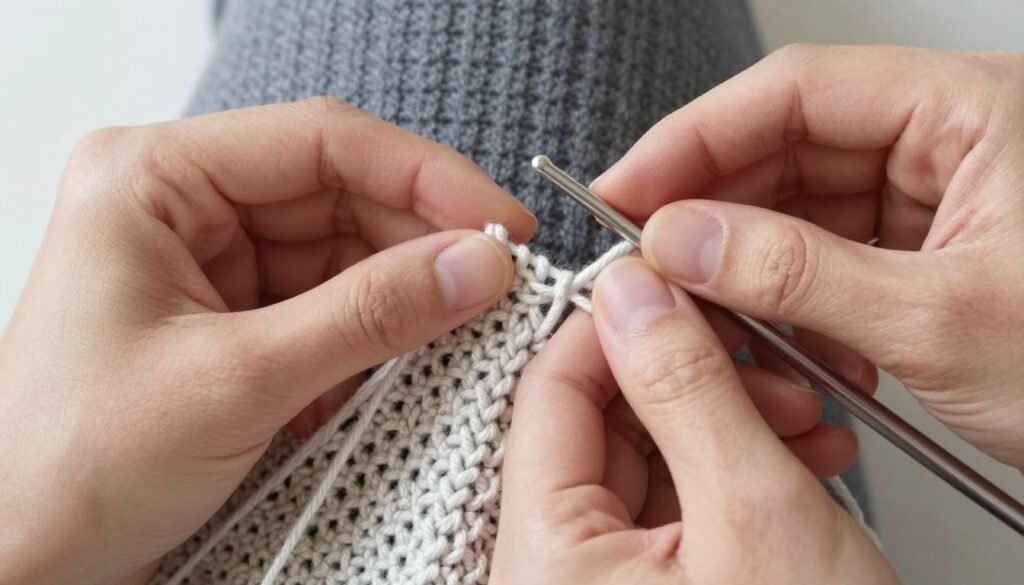
Mastering these fundamental techniques will help you create well-fitting, beautiful crochet skirts:
Working in the Round
Most crochet skirt patterns are worked in the round, creating a seamless tube of fabric. There are two main approaches:
- Joined rounds – Each round ends with a slip stitch to join to the beginning of the round, followed by a chain to start the next round. This method creates a visible “seam” but allows for precise stitch placement.
- Continuous spiral – Worked without joining, creating a seamless spiral. This method eliminates the joining seam but can make stitch counting more challenging.
Increasing and Decreasing
Shaping is crucial for creating well-fitting skirts. Understanding how to increase and decrease evenly will help you achieve the desired silhouette:
- For A-line or circle skirts – Regular increases are worked throughout each round, creating a gradual flare.
- For fitted skirts – Strategic decreases help the fabric follow body contours.
- Evenly spacing increases/decreases – Use stitch markers to divide your work into sections, placing the same number of increases or decreases in each section for balanced shaping.
Creating Waistbands
A well-constructed waistband is essential for a comfortable, secure fit:
- Elastic waistbands – Often created by working a casing that accommodates elastic threading.
- Ribbed waistbands – Front and back post stitches create a stretchy, textured band that hugs the waist.
- Drawstring waistbands – Incorporate spaces for threading a cord or crocheted tie for an adjustable fit.
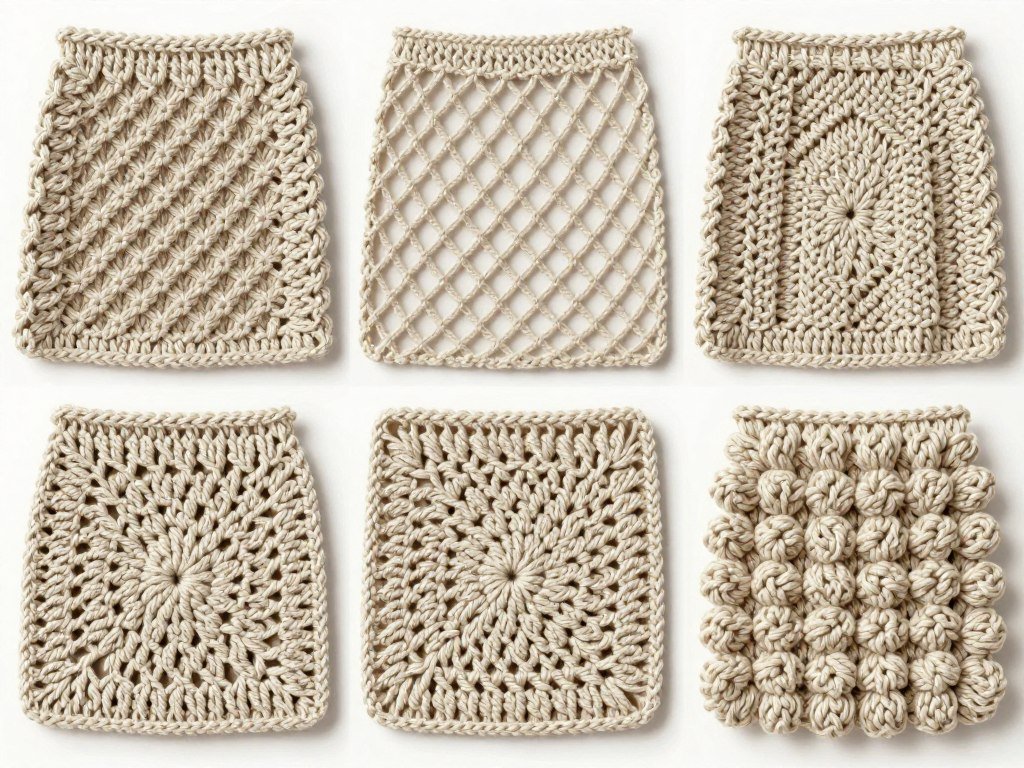
Stitch Patterns for Texture and Design
Different stitch patterns create various textures and visual effects in your skirt:
- Shell stitch – Creates a scalloped, feminine texture perfect for flowy skirts.
- Mesh or filet crochet – Produces an airy, lacy fabric ideal for overlay skirts or summer styles.
- Granny stitch – Offers a classic, textured look that works up quickly.
- Chevron or ripple – Creates dynamic zigzag patterns for visual interest.
- Puff or bobble stitches – Adds three-dimensional texture and visual weight to your design.
How to Read and Follow a Crochet Skirt Pattern
Understanding how to interpret crochet patterns is essential for successfully creating your skirt. Here’s a breakdown of common pattern components and how to navigate them:
Pattern Terminology
Crochet patterns use standard abbreviations to describe stitches and techniques:
| Abbreviation | Meaning | Description |
| ch | Chain | Basic foundation stitch |
| sc | Single crochet | Short, dense stitch |
| hdc | Half double crochet | Medium-height stitch |
| dc | Double crochet | Tall stitch with good drape |
| tr | Treble crochet | Extra tall stitch |
| inc | Increase | Work multiple stitches in same space |
| dec | Decrease | Combine multiple stitches into one |
| sl st | Slip stitch | Used for joining or moving position |
Understanding Pattern Sections
Most crochet skirt patterns include these key sections:
- Materials list – Specifies yarn type, amount, hook size, and notions needed.
- Gauge information – Indicates how many stitches and rows should measure a specific dimension (usually 4 inches/10 cm). Matching gauge ensures your skirt will be the correct size.
- Size information – Lists finished measurements for different sizes and may include a schematic diagram.
- Special stitches – Explains any unique stitch patterns used in the design.
- Pattern instructions – Step-by-step directions, often divided by sections (waistband, body, edging).
- Finishing instructions – Details for blocking, seaming, and adding closures or elastic.
Working with Pattern Repeats
Many skirt patterns use stitch repeats to create texture or increase evenly:
- Instructions in parentheses (like this) are typically worked as a unit and may be repeated the number of times specified after the closing parenthesis.
- Asterisks *like this* mark the beginning of a sequence to be repeated to the end of a row or round, or until otherwise noted.
- Brackets [like this] often indicate instructions for different sizes, with each size listed in order from smallest to largest.
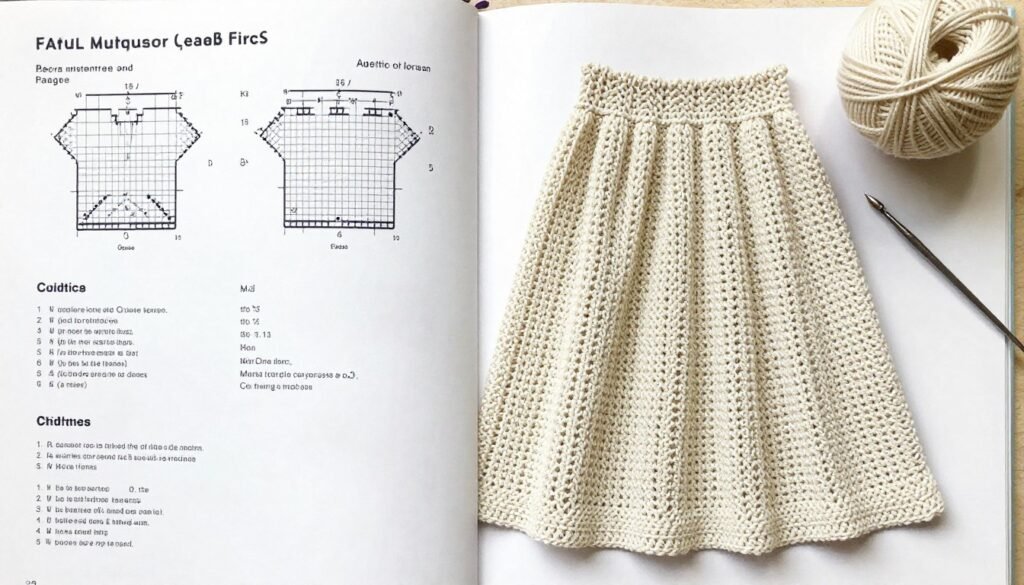
Pro Tip: Before starting your project, read through the entire pattern to familiarize yourself with the construction method and techniques required. Many experienced crocheters highlight or make notes on their patterns to mark key points or size-specific instructions.
Customizing Crochet Skirt Patterns
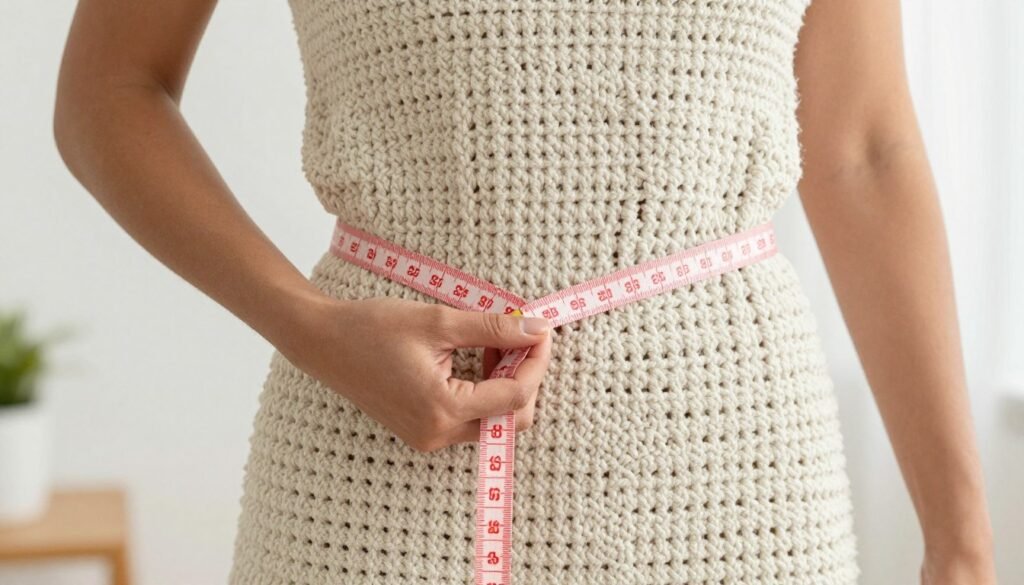
One of the greatest advantages of crocheting your own skirts is the ability to customize them to your exact preferences and measurements. Here’s how to adapt patterns to create your perfect skirt:
Adjusting Length
Modifying the length of a crochet skirt pattern is usually straightforward:
- For shorter skirts – Simply work fewer rounds or rows than specified in the pattern.
- For longer skirts – Continue working the established pattern repeat until you reach your desired length. Be sure to purchase extra yarn if extending the length significantly.
- Measuring as you go – Try on your skirt periodically (or measure against a skirt you already own) to determine when you’ve reached your ideal length.
Modifying Waist Size
Achieving the perfect waist fit is crucial for a comfortable, flattering skirt:
- Starting chain adjustment – For skirts worked from the waist down, adjust your starting chain or round to match your waist measurement plus about 1-2 inches of ease.
- Elastic waistband – Using elastic in the waistband provides flexibility in fit and can accommodate slight variations in sizing.
- Ribbed waistband – Post stitches create natural stretch that can conform to your body.
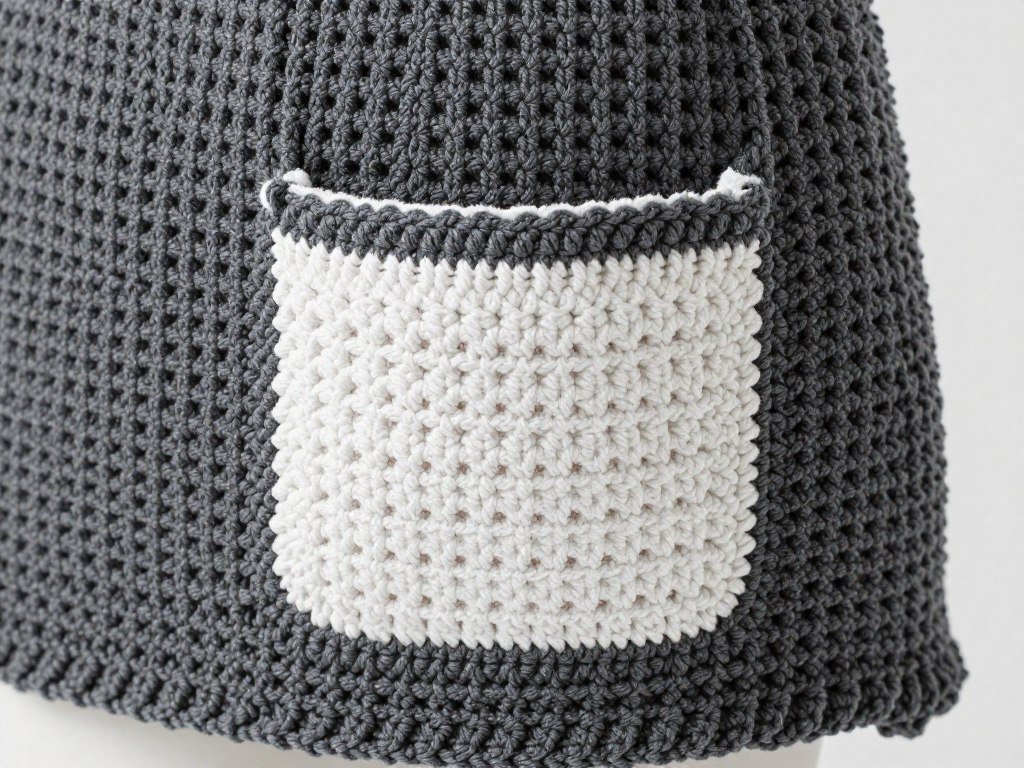
Adding Pockets
Pockets are a practical addition to any skirt and can be incorporated in several ways:
- Patch pockets – Crochet separate pocket pieces and sew them onto the skirt.
- Side-seam pockets – For skirts worked in panels, pockets can be added at the seams.
- Hidden pockets – Create a pocket opening in the skirt with a separate pocket bag attached inside.
Altering the Silhouette
Change the shape of a pattern to create a different style:
- Converting A-line to pencil – Reduce or eliminate increases after the hip area.
- Making a pattern more flared – Add additional increase rounds or increase the number of stitches added in each increase round.
- Creating tiers or ruffles – Add dramatic increases at specific points to create gathered sections or flounces.
Personalizing with Color and Texture
Make any pattern uniquely yours with creative color and stitch choices:
- Color blocking – Change colors at strategic points to create bold, graphic designs.
- Stripes – Horizontal or vertical stripes can add visual interest and alter the perceived proportions of the skirt.
- Ombré effect – Gradually transition between colors for a modern, gradient look.
- Textural contrast – Combine different stitch patterns in the same skirt for added dimension.
Measurement Tip: For the most accurate fit, take your measurements while wearing the undergarments you plan to wear with your finished skirt. Record your waist, hip, and desired length measurements before starting your project.
Finishing Techniques for Professional Results

The finishing touches you apply to your crochet skirt can elevate it from homemade to handcrafted. These professional techniques will help your skirt look polished and wear beautifully:
Blocking Your Finished Skirt
Blocking is the process of wetting or steaming your crochet work and shaping it to the correct dimensions as it dries. This step evens out stitches, improves drape, and sets the final shape:
- Check your yarn label for fiber content and recommended blocking method.
- For most natural fibers, wet blocking works best: Soak your skirt in lukewarm water with a gentle wool wash for 15-20 minutes.
- Gently squeeze out excess water (don’t wring) and roll in a towel to remove more moisture.
- Lay flat on blocking mats, shape to desired dimensions, and pin in place if needed.
- Allow to dry completely before removing pins or wearing.
For acrylic yarns, steam blocking is often more effective. Hold a steamer or iron (on steam setting) above the fabric without touching it, allowing the steam to penetrate the fibers.
Adding Waistband Elastic
Many crochet skirt patterns incorporate elastic for a secure, comfortable fit:
- Measure your waist and cut elastic about 1-2 inches smaller than this measurement.
- Join the elastic ends securely with a zigzag stitch or by overlapping and sewing.
- If your pattern has a casing, thread the elastic through using a safety pin or bodkin.
- Distribute the gathered fabric evenly around the elastic.
- Secure the elastic in place by sewing through both the elastic and the crochet fabric at several points.
Adding Linings
A lining can provide opacity, structure, and comfort to your crochet skirt:
- Fabric selection – Choose lightweight, breathable fabrics like cotton lawn, rayon, or silk for linings. The fabric should complement the drape of your crochet work.
- Construction methods – You can either create a separate lining that attaches at the waistband or sew the lining directly to your crochet fabric at strategic points.
- Hemming – Make the lining slightly shorter than your crochet skirt to prevent it from showing at the hem.
Weaving in Ends
Properly secured ends ensure your skirt will hold up through wearing and washing:
- Use a yarn needle to weave ends in multiple directions, following the path of your stitches.
- For color changes, weave ends on the wrong side of the fabric.
- Trim ends only after weaving them in securely and giving a gentle tug to test security.
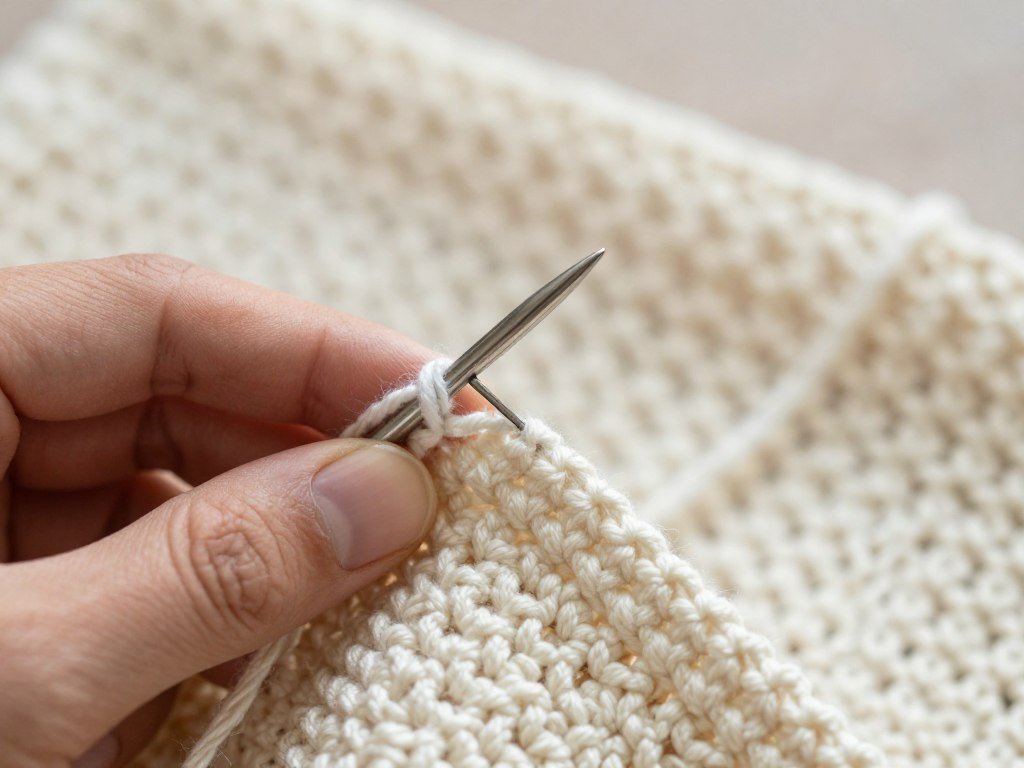
Adding Closures
For skirts that aren’t worked in the round, you’ll need to add closures:
- Buttons and loops – Crochet small chains for button loops or use buttonhole stitch to create openings.
- Zippers – Sew a zipper to your crochet fabric using a backstitch, being careful not to stretch the fabric.
- Ties – Crochet i-cord or twisted chains to create decorative ties for wrap-style skirts.
Elevate Your Finishing Techniques
Take your crochet projects to the next level with professional blocking tools that help achieve perfect shape and drape.
Caring for Your Crochet Skirts

Proper care will help your handmade crochet skirts maintain their beauty and shape for years to come. Follow these guidelines based on the yarn you’ve used:
Washing Instructions
Always check your yarn label for specific care instructions, but these general guidelines apply to most crochet skirts:
- Hand washing – The safest method for most crochet garments. Use lukewarm water and a gentle wool wash or mild detergent. Soak for 10-15 minutes, then rinse thoroughly without wringing.
- Machine washing – If your yarn is machine washable, use a mesh laundry bag, cold water, and the delicate cycle. Avoid washing with items that could snag your crochet work.
- Drying – Lay flat to dry on a clean towel, reshaping as needed. Avoid hanging wet crochet skirts, as the weight of the water can stretch them out of shape.
Storage Tips
Proper storage prevents damage and helps maintain the shape of your crochet skirts:
- Fold skirts rather than hanging them to prevent stretching.
- Store in a cool, dry place away from direct sunlight to prevent fading.
- Place cedar blocks or lavender sachets with your stored skirts to deter moths (especially important for wool items).
- If storing long-term, clean the skirt first and wrap in acid-free tissue paper.
Dealing with Common Issues
Even with careful wear and care, you may encounter these common issues:
- Stretching – If your skirt stretches out of shape, rewash and block it to the correct dimensions.
- Pilling – Gently remove pills with a fabric shaver or sweater comb designed for delicate fabrics.
- Snags – Use a crochet hook from the wrong side to pull the snagged yarn back through to the inside.
- Fading – To minimize fading, wash in cold water and avoid prolonged sun exposure when wearing or drying.
Laundering Tip: When in doubt about how a yarn will behave when washed, make a small swatch using the same yarn and stitch pattern as your skirt. Wash and dry the swatch according to your planned care method to see how the fabric responds before washing your finished skirt.
Inspiration Gallery: Stunning Crochet Skirt Ideas
Looking for inspiration for your next crochet skirt project? Here are some beautiful designs to spark your creativity:
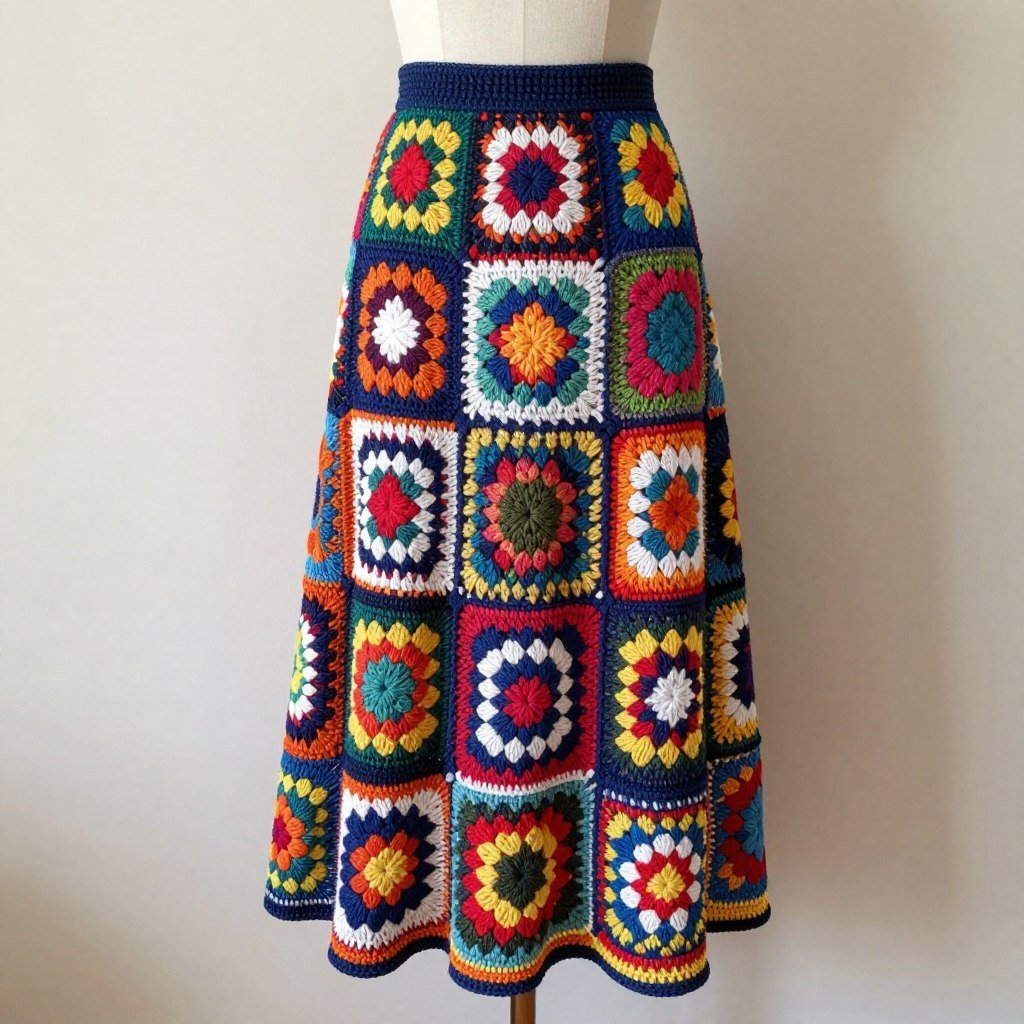
Bohemian Granny Square Maxi Skirt – A colorful patchwork of granny squares creates a free-spirited, bohemian look perfect for summer festivals or beach days.
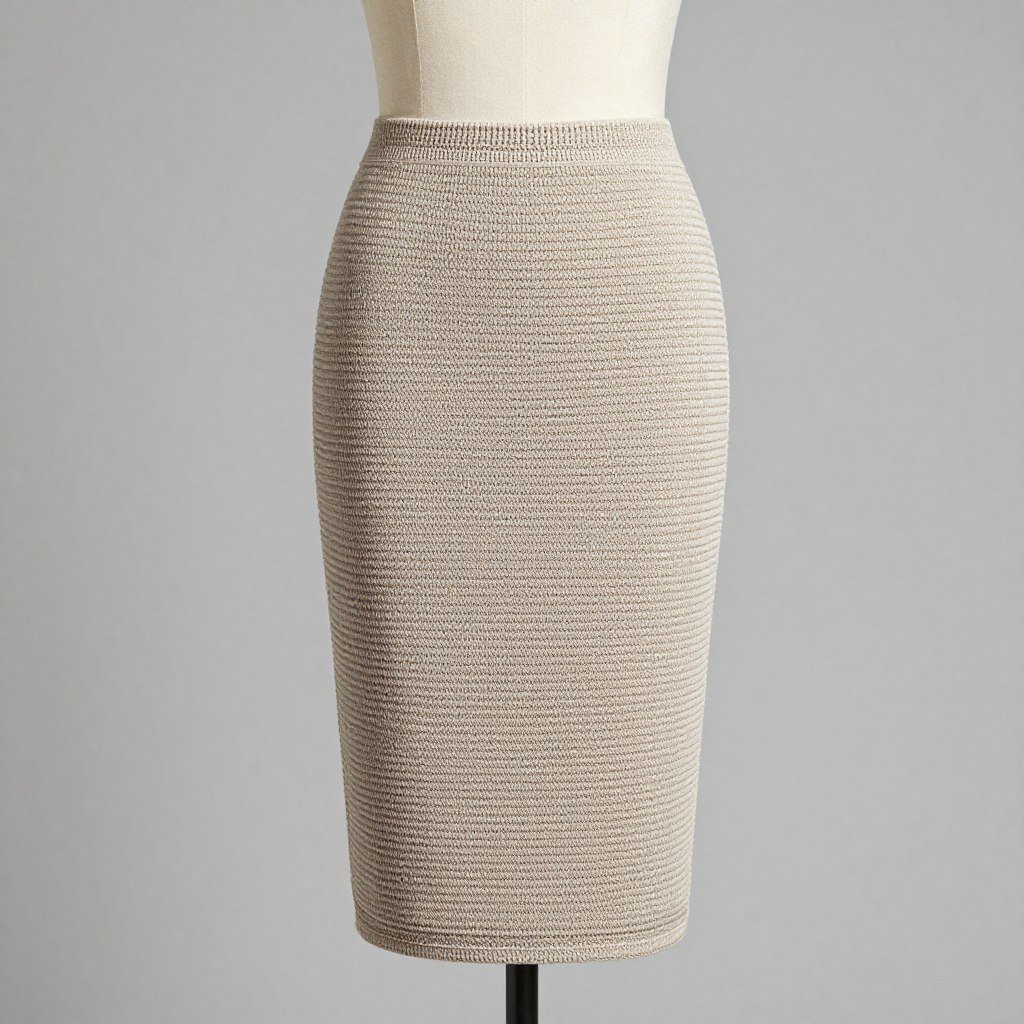
Elegant Textured Pencil Skirt – A sophisticated design with subtle texture, perfect for the office or dressed up for special occasions.
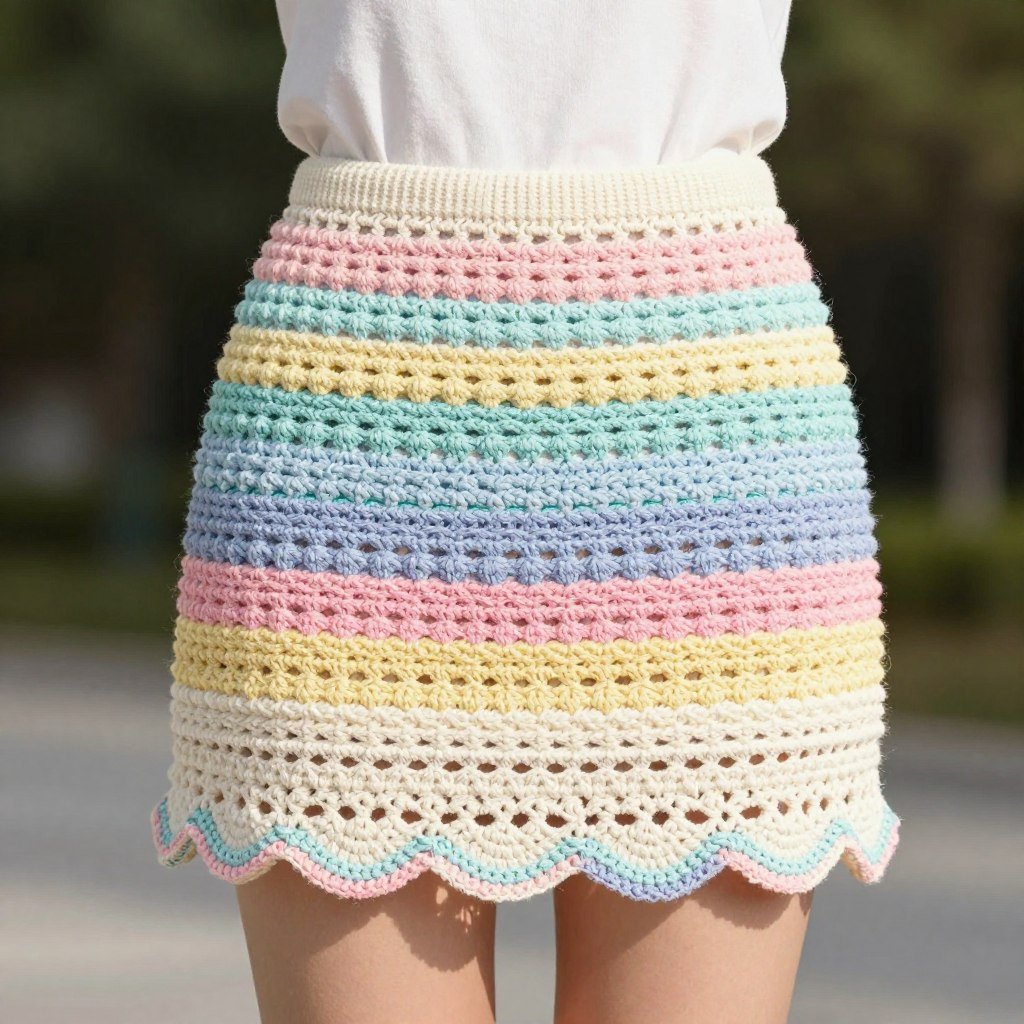
Summer Mini with Scalloped Edge – A playful, lightweight design perfect for warm weather, featuring a decorative scalloped hemline.
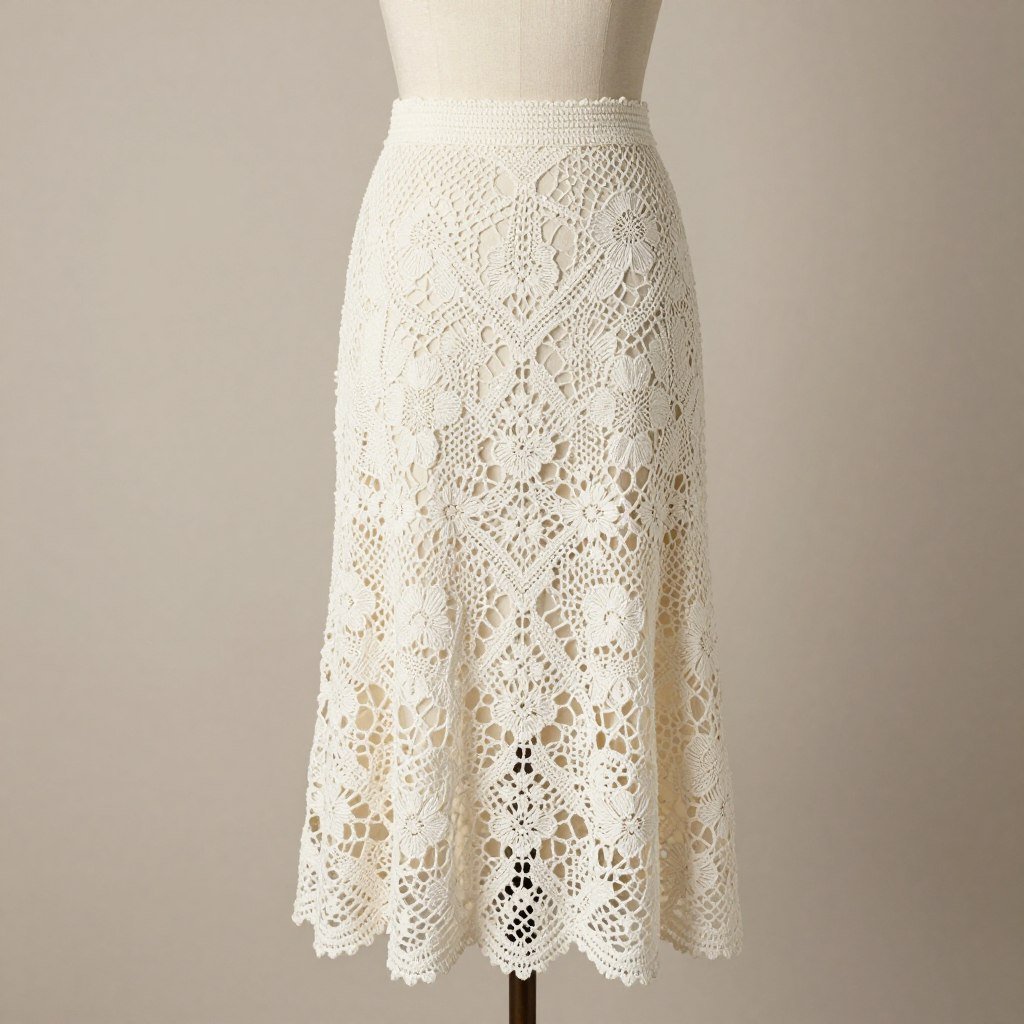
Vintage Lace Overlay Midi – A romantic, feminine design with intricate lace patterning inspired by vintage fashion.
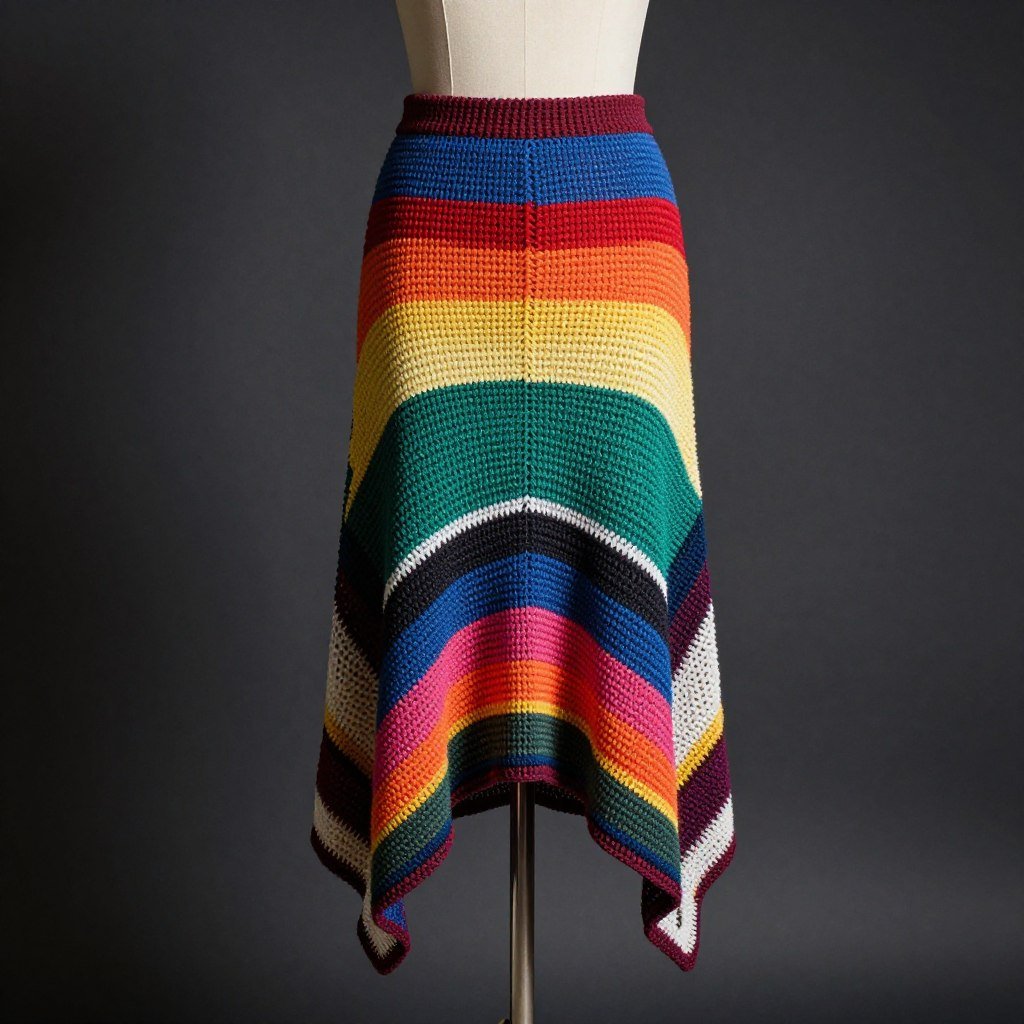
Modern Color Block Design – A contemporary skirt featuring bold geometric color blocking and an asymmetrical hemline.
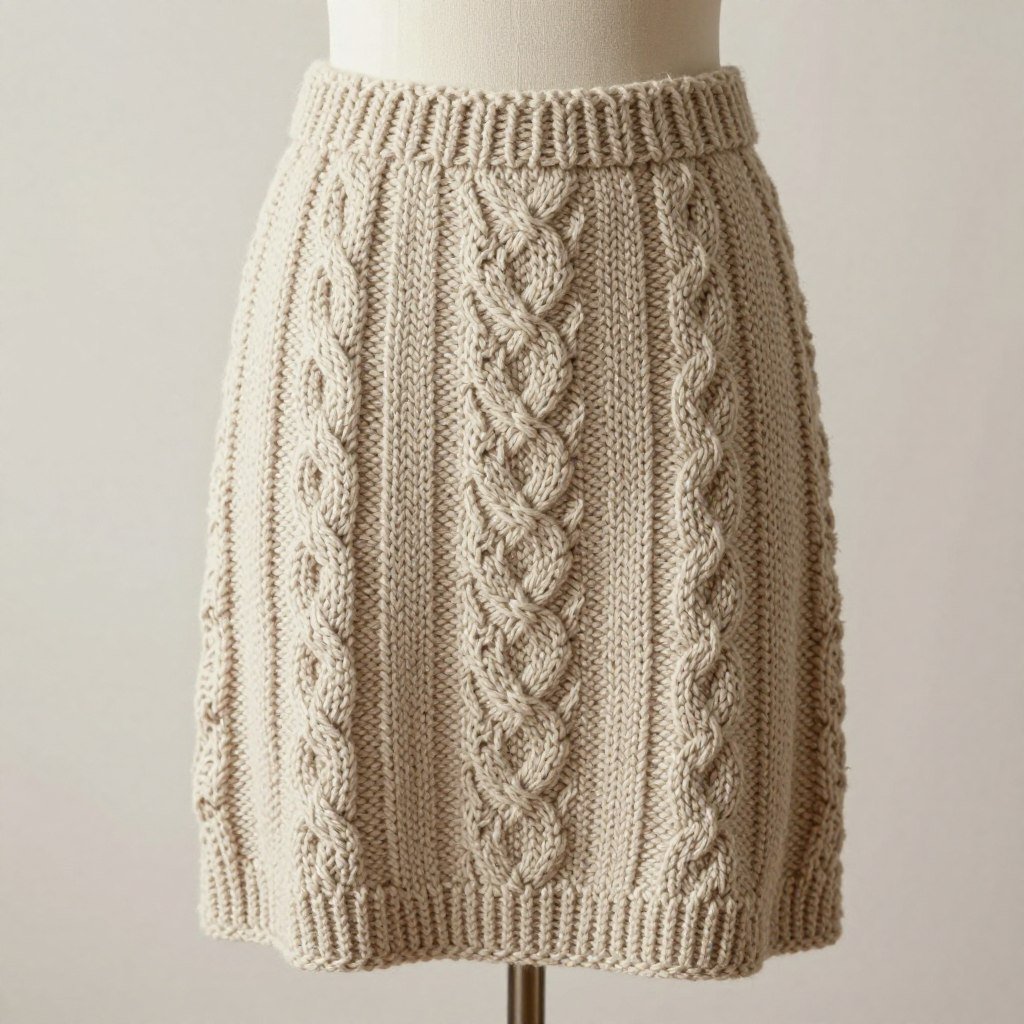
Cozy Cable Knit Style – A warm, textured skirt perfect for cooler weather, featuring cable-inspired stitch patterns.
Ready to Start Your Crochet Skirt Journey?
Find the perfect yarn colors to bring your dream skirt to life! From vibrant summer hues to elegant neutrals, the right yarn makes all the difference.
Beginner-Friendly Crochet Skirt Pattern Ideas
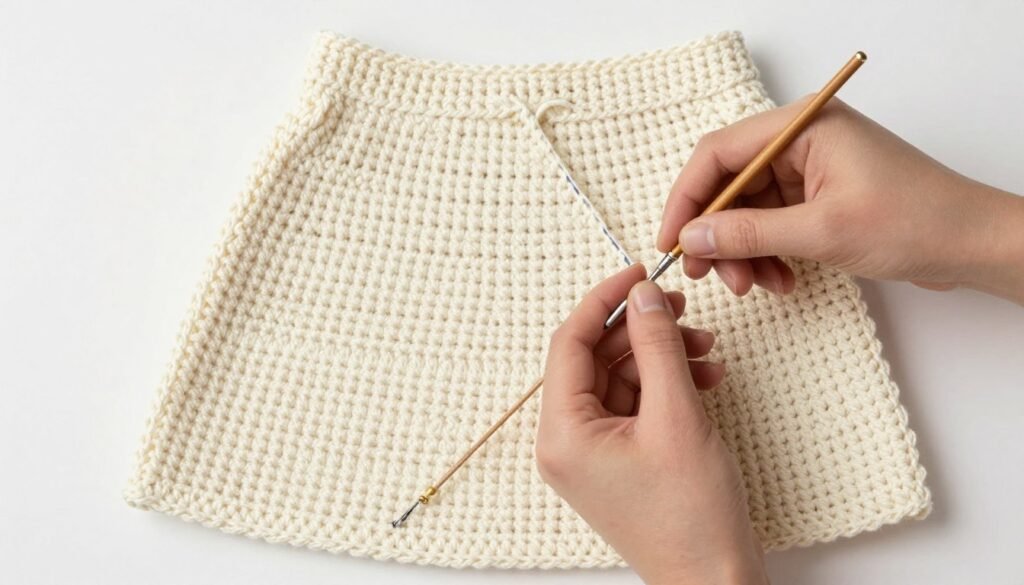
If you’re new to crocheting garments, these beginner-friendly skirt styles are perfect for building your skills while creating wearable pieces:
Simple A-Line Skirt
A basic A-line skirt worked in the round is an ideal first garment project:
- Uses basic stitches like double crochet for quick progress
- Simple shaping with evenly spaced increases
- Elastic waistband for forgiving fit
- Works well in solid colors or simple stripes
Granny Square Skirt
If you can make granny squares, you can create a stylish patchwork skirt:
- Create identical squares and join them to form a skirt
- Great for using up yarn scraps in complementary colors
- Each square is a manageable mini-project
- Customize the length by adding more rows of squares
Simple Wrap Skirt
A rectangular wrap skirt is straightforward to create and offers adjustable sizing:
- Work a large rectangle in rows using basic stitches
- Add ties or buttons for closure
- Forgiving fit makes it perfect for beginners
- Can be customized with simple border patterns

Tips for Beginner Success
Follow these guidelines to ensure your first crochet skirt project is enjoyable and successful:
- Choose medium-weight yarn – Worsted weight yarn is easier to work with and shows stitches clearly.
- Select light or solid colors – Dark or variegated yarns can make it difficult to see your stitches.
- Use stitch markers – Mark the beginning of rounds and pattern repeats to stay on track.
- Start with a small project – A mini skirt requires less time and yarn than a maxi, making it less intimidating.
- Check your gauge – Make a gauge swatch before starting to ensure your skirt will be the right size.
Beginner Tip: Don’t be afraid to make mistakes! Crochet is forgiving, and you can always unravel your work and try again. Each project teaches valuable skills that will make your next creation even better.
Conclusion: Your Crochet Skirt Journey

Creating your own crochet skirt is a rewarding journey that combines creativity, craftsmanship, and personal expression. From selecting the perfect yarn and pattern to adding those final finishing touches, each step allows you to craft a garment that’s uniquely yours—tailored to your exact measurements, style preferences, and creative vision.
Whether you’re a beginner starting with a simple A-line design or an experienced crocheter tackling an intricate lace pattern, the satisfaction of wearing something you’ve made with your own hands is incomparable. Your crochet skirt isn’t just a garment; it’s a testament to your skills, patience, and artistic vision.
As you continue your crochet journey, don’t be afraid to experiment with different yarns, stitch patterns, and design elements. Each project builds upon your skills and expands your creative repertoire. Share your creations with the vibrant online crochet community, where you’ll find endless inspiration, support, and appreciation for your handmade treasures.
Remember that the most beautiful aspect of handmade clothing is its uniqueness—those small “imperfections” that make your work distinctly yours are actually what give handcrafted pieces their special character and charm. Embrace the process, celebrate your creativity, and enjoy wearing your one-of-a-kind crochet skirts with pride!
Share Your Crochet Skirt Creations!
Found this guide helpful? Save it to your Pinterest boards for future reference and inspiration. Then share photos of your finished crochet skirts to inspire others!