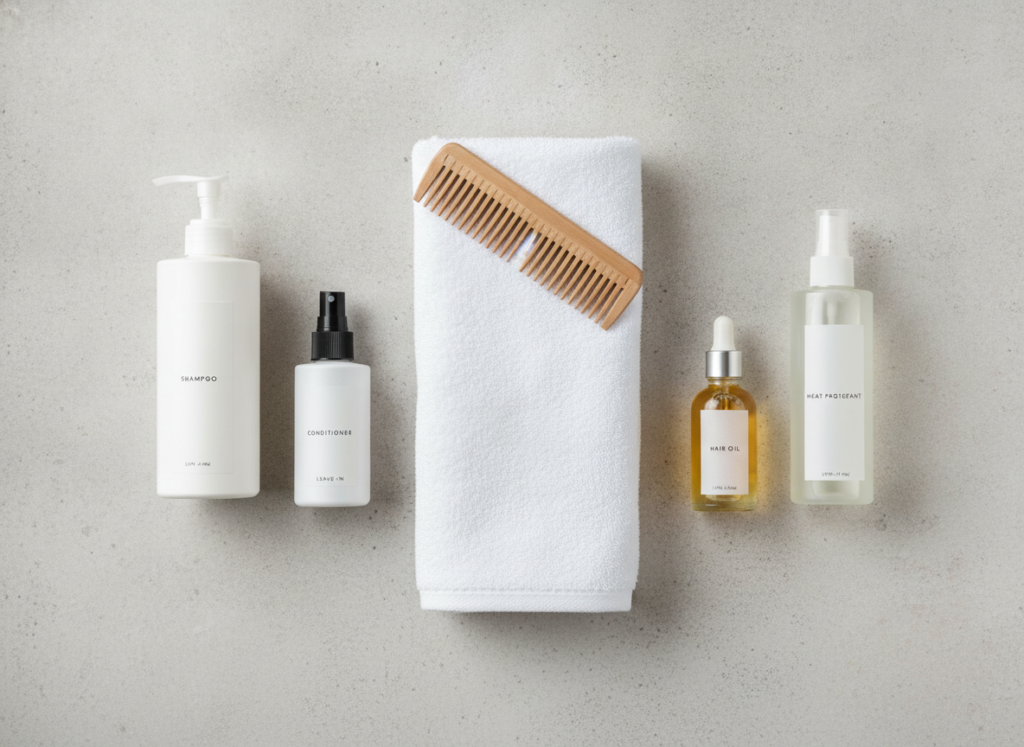
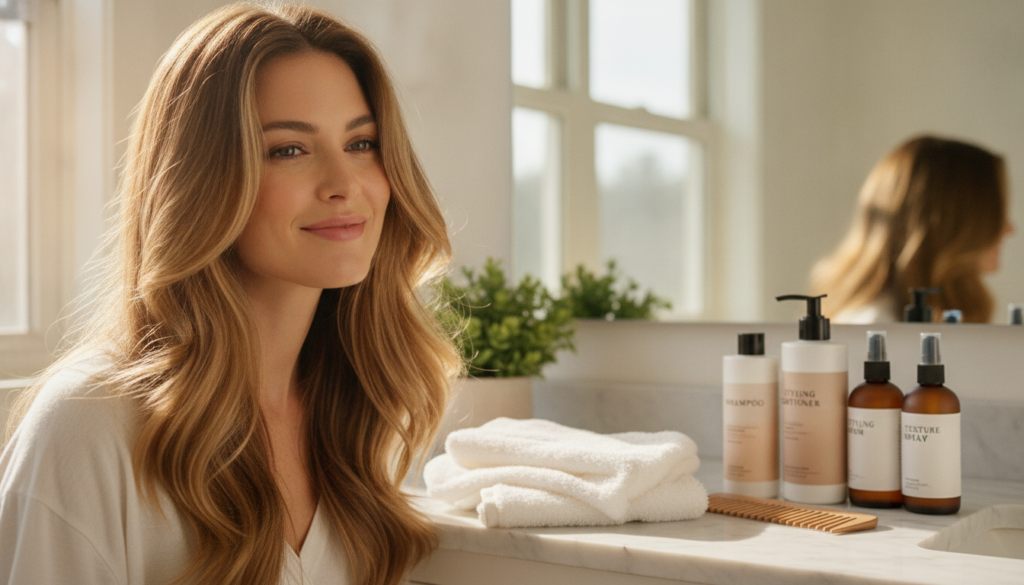
A good hair routine does not need a crowded shelf. The right shampoo, conditioner, moisture layer, and styling products can make daily care feel easier.
Start with your hair type, scalp needs, washing habits, and styling goals. Then choose products that support those needs without adding unnecessary weight.
Ready to explore a simple routine?
Use this guide to identify the product types that fit your hair goals, then explore a focused care option.
Your hair is unique, so a routine that works for one person may not work for another. Hair type is a useful starting point, but it is not the only factor. Consider strand thickness, porosity, scalp comfort, climate, and how often you use heat styling.
Fine hair often needs light conditioning and careful product amounts. Dry hair may need richer moisture and less frequent washing. Oily hair may need a lighter routine that keeps the scalp fresh without making the lengths feel rough.
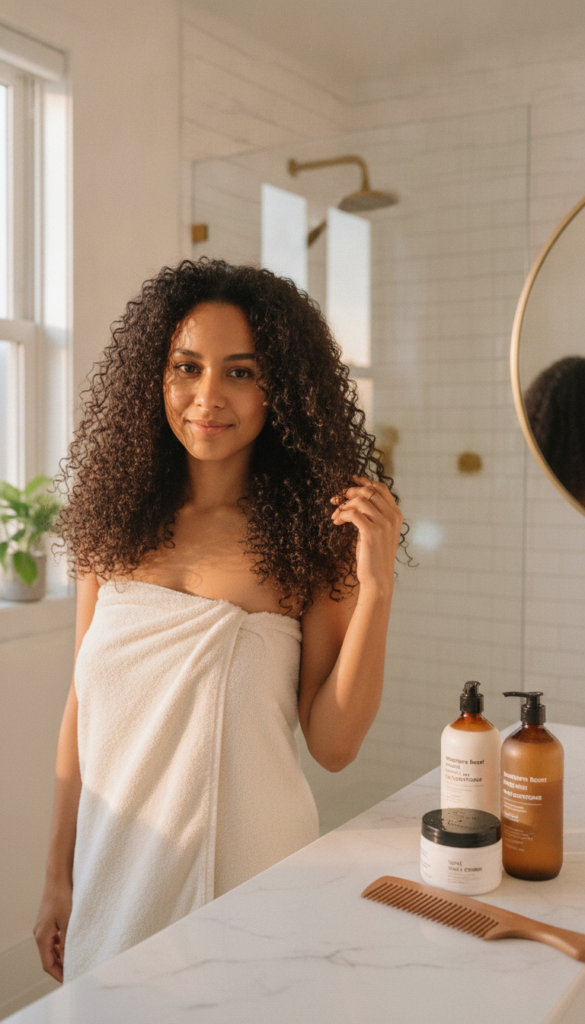
People with curly hair often look for moisture, slip, and curl definition. Straight hair may need volume, smoothness, and protection from heat. Wavy hair can need balance because heavy products may flatten the natural pattern.
Choose light layers for fine hair and low-density hair.
Choose richer conditioning for dry hair and textured strands.
Choose balanced cleansing for oily hair and frequent washing.
Choose flexible styling products for curls, waves, and frizz control.
2. Build a Washing Routine That Fits Your Scalp
Washing removes sweat, oil, styling residue, and environmental buildup. The best schedule depends on scalp oil, activity, texture, and personal comfort. There is no single correct number of washing days.
Oily hair may feel better with more frequent washing, while dry hair may prefer longer gaps. Curly hair can lose moisture when shampoo is used too often. If your scalp feels uncomfortable, adjust the schedule slowly instead of making several changes at once.
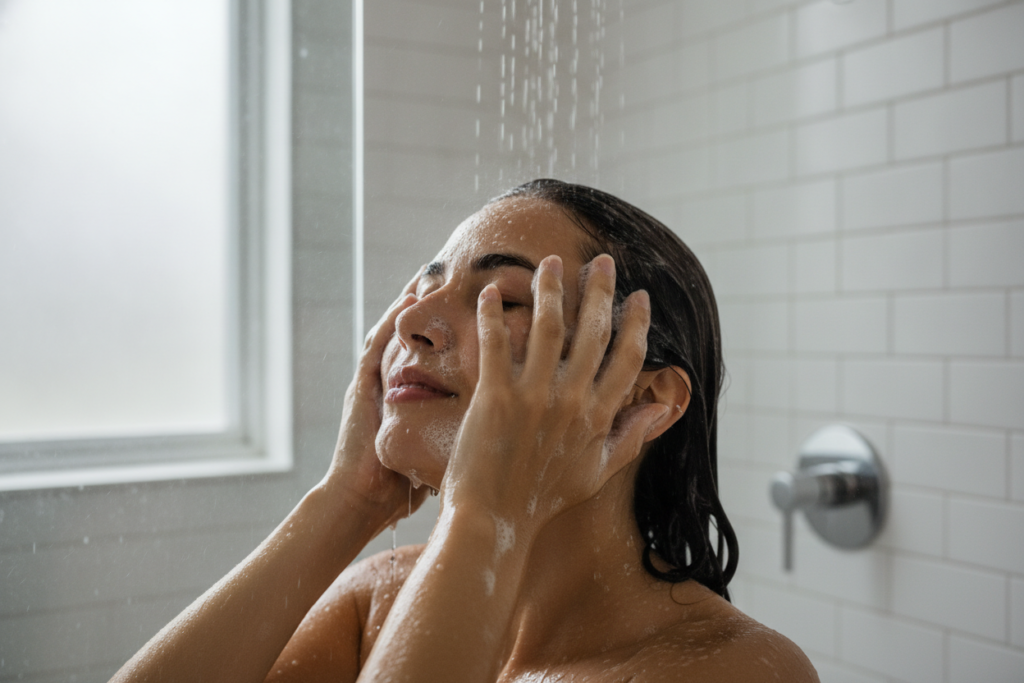
Apply shampoo mainly to the scalp and roots. Let the lather move through the lengths as you rinse. Scrubbing the ends can increase roughness, especially when hair is already dry or fragile.
Routine check: If your scalp feels oily soon after washing, consider product buildup, heavy oils, or an overly rich conditioner before simply adding more shampoo.
3. Use Shampoo and Conditioner with Purpose
Shampoo and conditioner do different jobs. Shampoo cleans the scalp and hair surface. Conditioner adds slip, softness, and easier detangling. Together, they form the foundation of many healthy hair routines.
Look for a shampoo that cleans without leaving the scalp tight or the lengths rough. If your hair is dry, color-treated, curly, or frequently heat styled, a gentler formula may feel more comfortable.
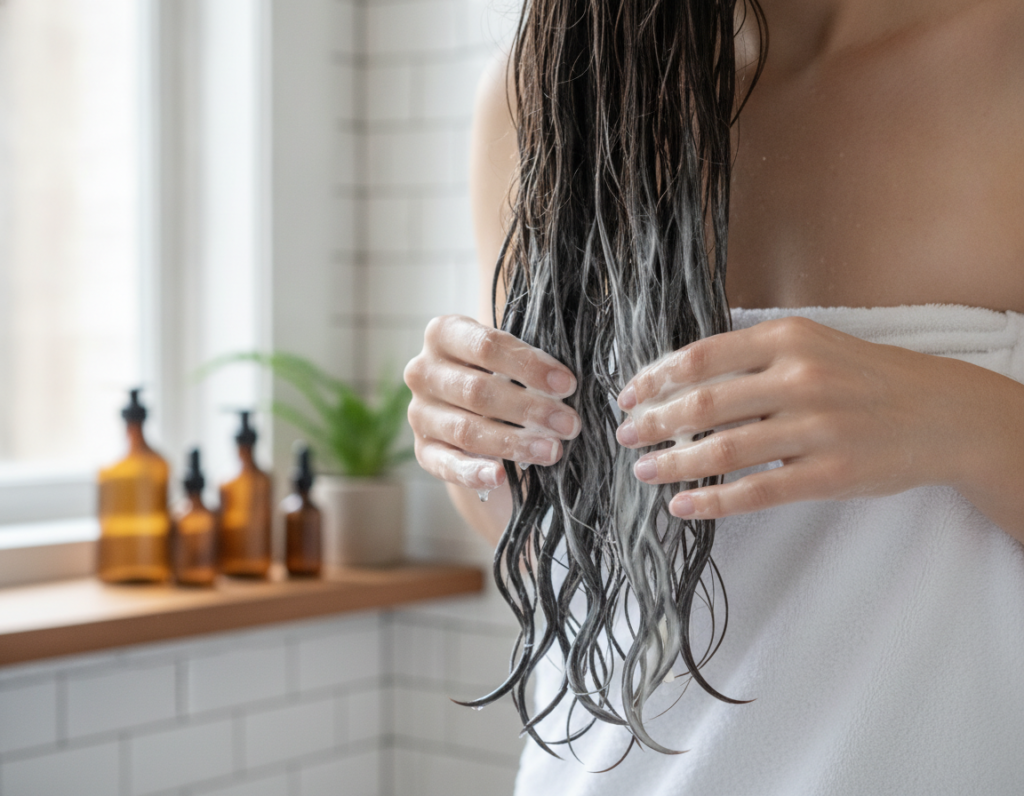
Apply conditioner from the mid-lengths to the ends when the roots become oily easily. Leave it on for the time listed on the package. Rinse well, but do not over-rinse if your hair needs more moisture.
Shampoo
Focus on scalp cleansing and choose a formula that matches oil levels and washing frequency.
Conditioner
Use it to improve slip, reduce tangling, and support a softer feel without weighing down the scalp.
Weekly support
A mask may help dry hair feel more conditioned when used according to the product directions.
4. Add Moisture Without Weighing Hair Down
Moisture is helpful, but more is not always better. Too many rich products can make fine hair limp, leave oily hair heavy, or create buildup on the scalp.
Start with a small amount of leave-in conditioner on damp hair. Spread it through the ends first, then use what remains near the middle sections. This approach helps distribute moisture without coating the roots.
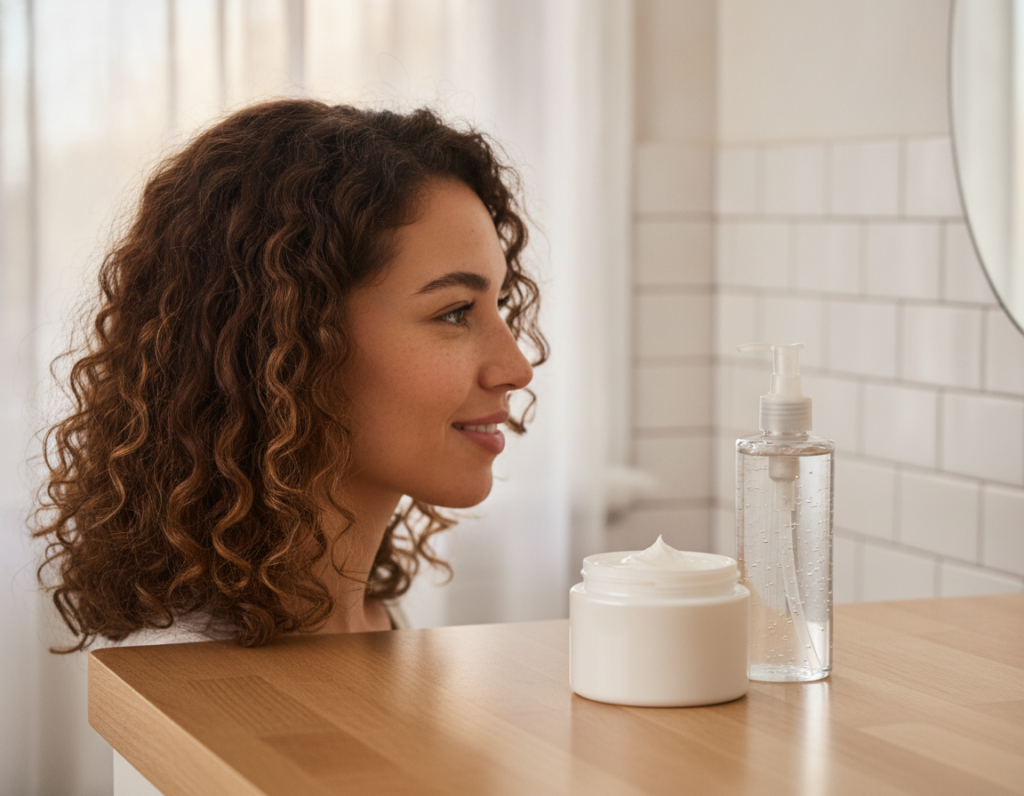
Dry hair may benefit from a cream or mask. Fine hair may do better with a mist or lightweight lotion. Curly hair often needs enough moisture to support curl shape, but the best amount depends on density and porosity.
Find a moisture-focused option
Explore a product path designed around softness and manageable hair. Start with a small amount and adjust based on feel.
Choose a light shampoo, a weightless conditioner, and limited oils. Apply conditioning products away from the scalp. Use styling products sparingly and clarify only according to the directions of the product you choose.
Dry or thick hair
Look for conditioning formulas that improve softness and reduce roughness. A leave-in conditioner can help on wash days. Use oils as a finishing layer if they suit your hair, but avoid coating the scalp unless the label recommends it.
Curly or wavy hair
Curly hair often benefits from moisture, gentle detangling, and styling products that support definition. Use a wide-tooth comb on damp hair and avoid brushing dry curls if it causes frizz or disrupts the pattern.
Straight or heat-styled hair
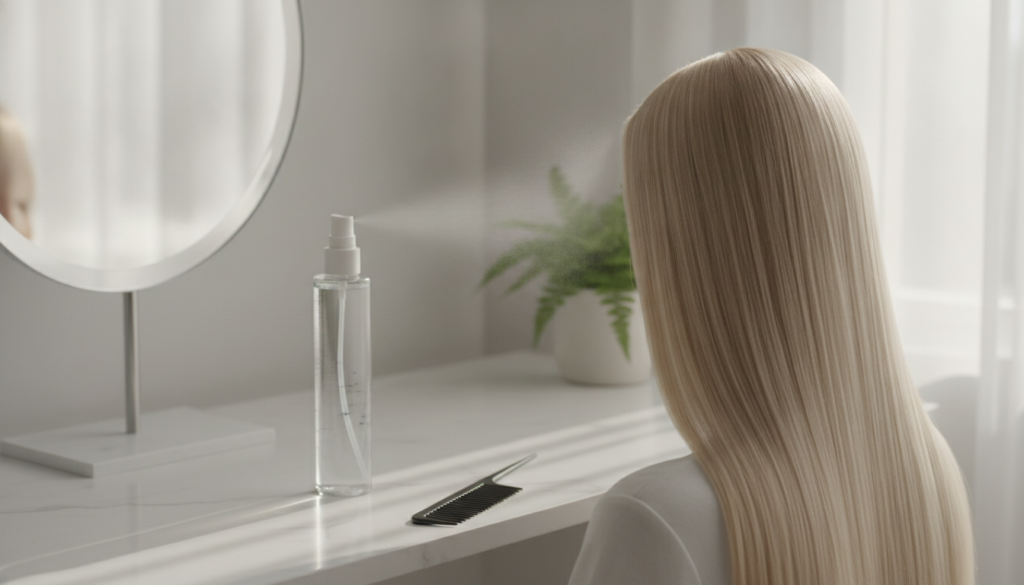
Straight hair can benefit from lightweight smoothing products. Anyone who uses blow dryers, flat irons, or curling tools should consider a heat protectant and follow the temperature guidance for the tool.
6. Add Oils and Styling Products Carefully
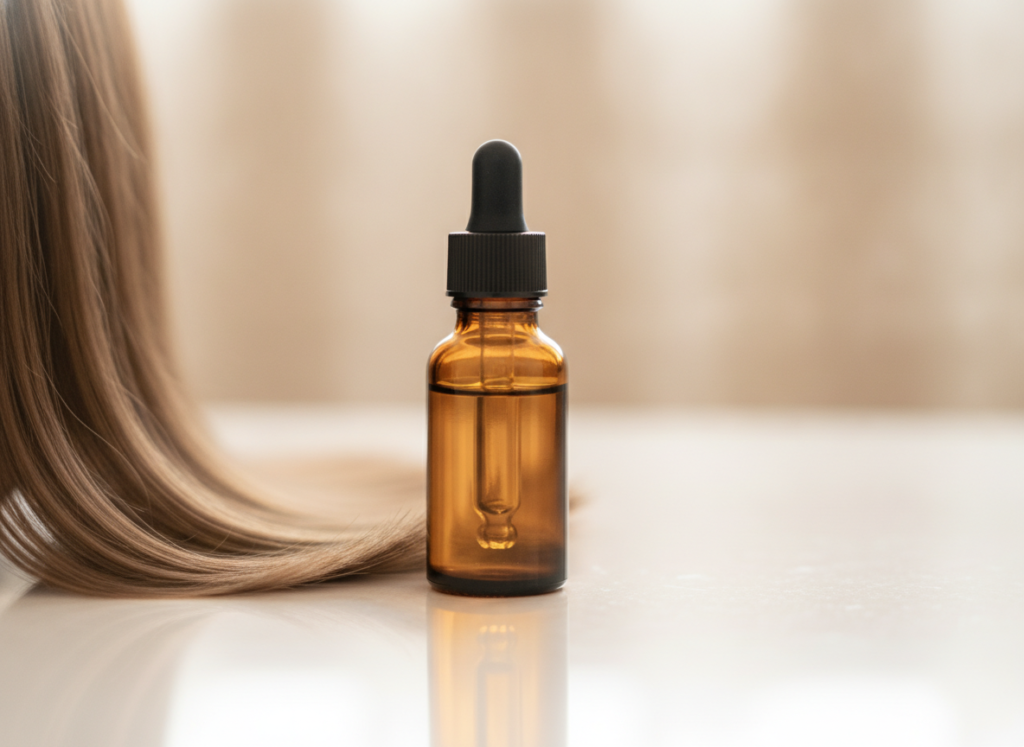
Oils can add shine and help hair feel smoother, but they are concentrated. Begin with one or two drops rubbed between your palms. Apply to the ends and avoid the roots if your hair tends to look oily.
Styling products should match the result you want. A mousse can add body. A gel can support curl shape. A cream can soften and define. A serum may help smooth frizz on the surface.
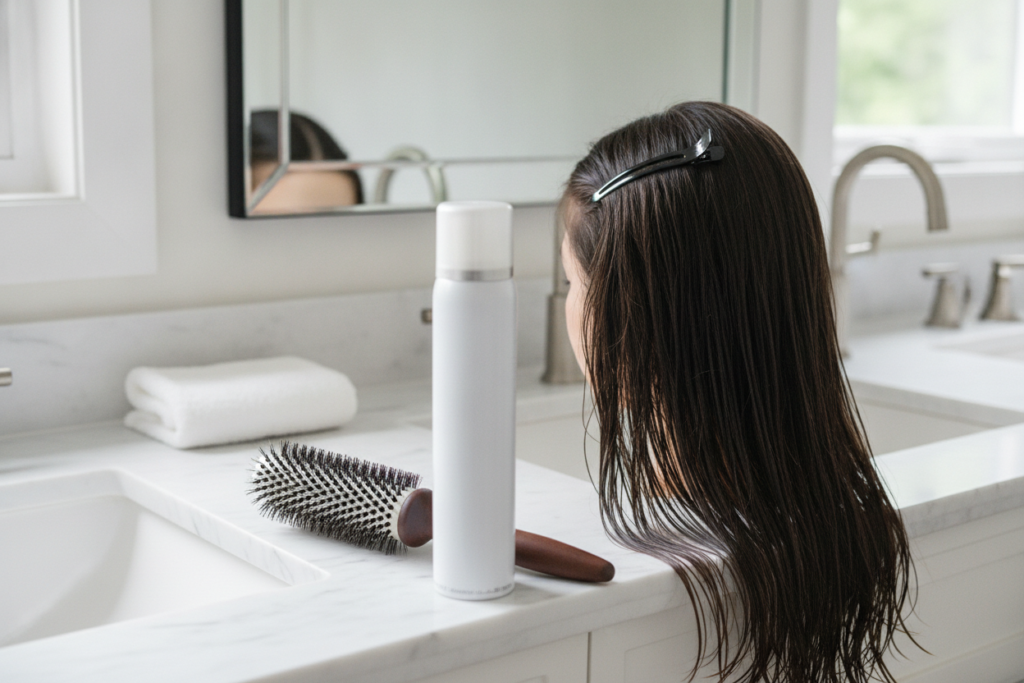
Use styling products on damp or dry hair as directed. If hair feels sticky, dull, or coated, reduce the amount. If buildup continues, review every product in the routine, including oils and dry shampoo.
Oils
Use a tiny amount as a finishing step when hair needs shine or a smoother feel.
Body
Mousse and light sprays may help create lift without weighing down fine hair.
Definition
Curl creams and gels can support shape when applied in small sections to damp hair.
Compare styling support for your routine
Choose a styling direction based on your goal: volume, definition, smoothing, or flexible hold.
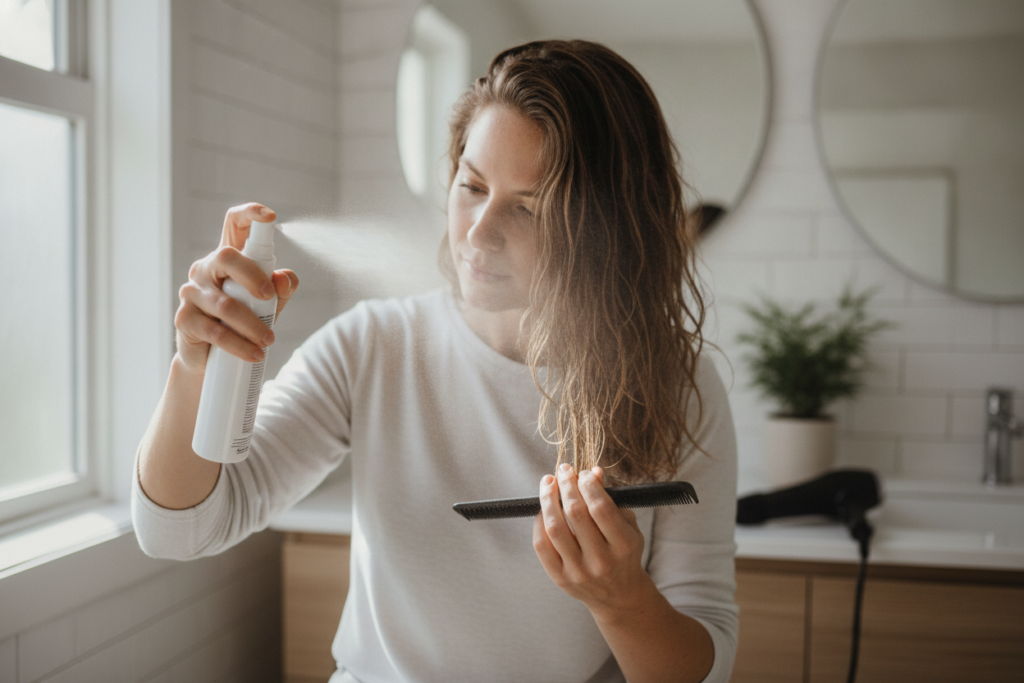
Heat styling can change the feel and appearance of hair over time. A heat protectant is a useful part of a routine for people who use hot tools or frequent blow drying.
Apply the product evenly, use the amount listed on the label, and let hair dry to the recommended level before using a hot tool. Avoid holding heat in one place for too long.
Lower heat is often a practical starting point, especially for fine hair. Detangle gently, use clean tools, and give hair rest days when possible. These steps support hair health without requiring a complicated plan.
8. Support Scalp Health and Daily Hair Care
Scalp health is part of a complete hair-care routine. Cleanse based on oil and activity, rinse products thoroughly, and avoid scratching or aggressive brushing. A comfortable scalp makes the rest of the routine easier to manage.
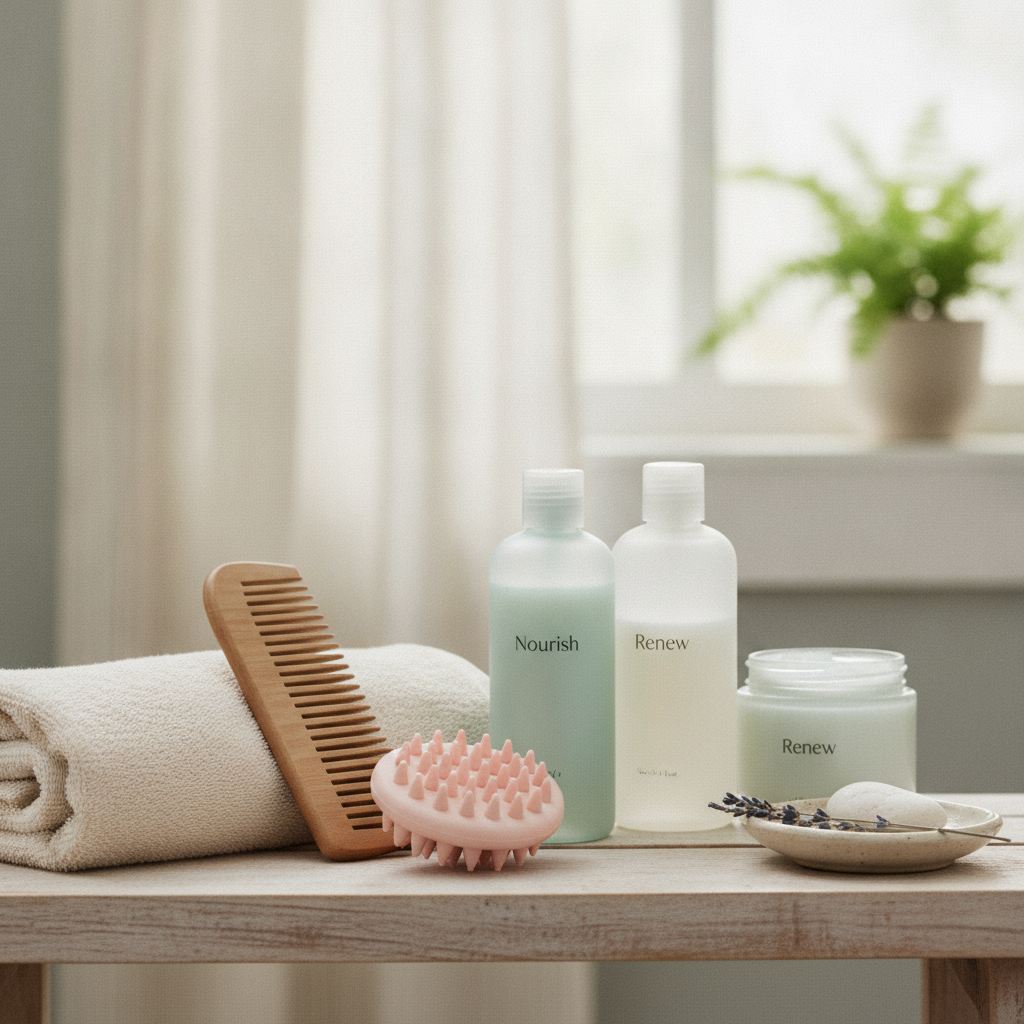
Handle wet hair with care because it can stretch and tangle more easily. Use a soft towel or cotton shirt to press out excess water. Detangle from the ends upward rather than pulling from the roots.
Protective habits matter too. Avoid very tight styles, rotate your part, and choose accessories that do not snag. Trim split ends when needed for a neater appearance, since products cannot permanently repair a split end.
Important: General hair-care guidance cannot diagnose scalp or hair concerns. Seek advice from a qualified health professional for persistent irritation, sudden changes, or unusual hair loss.
9. Follow a Routine You Can Keep
The best routine is one you can repeat. Keep the first version simple, then change one product at a time. This makes it easier to notice what helps, what feels heavy, and what causes unwanted buildup.
Wash the scalp according to oil, activity, and comfort.
Condition the lengths and ends after shampooing.
Add leave-in conditioner when extra moisture or detangling is needed.
Use oils and styling products in small amounts.
Apply heat protectant before hot tools or blow drying.
Review the routine after two to four weeks of consistent use.
Make your next routine step simple
Explore the available hair-care option that best matches your goal, then introduce it gradually into your routine.
How many products should a healthy hair routine include?
Start with shampoo, conditioner, and one product for your main goal. Add leave-in conditioner, oils, or styling products only when you understand why you need them.
Can oily hair still need moisture?
Yes. Oily roots and dry lengths can happen together. Use a lighter conditioner on the lengths and avoid placing rich products near the scalp.
What products help curly hair look more defined?
Many people use leave-in conditioner, curl cream, or gel. Apply a small amount to damp hair and adjust based on hold, softness, and buildup.
Should heat protectant be used every time?
Use a heat protectant whenever the product label recommends it before blow drying or hot tools. Follow the tool and product directions carefully.
Healthy hair routine products work best when they fit your hair type, scalp, schedule, and styling habits. Begin with the basics, use small amounts, and give each change time before adding another.
A focused routine can support moisture, comfort, manageability, and a polished appearance without weighing hair down. Choose practical steps you can maintain, and use product guidance as a starting point rather than a promise of a specific result.