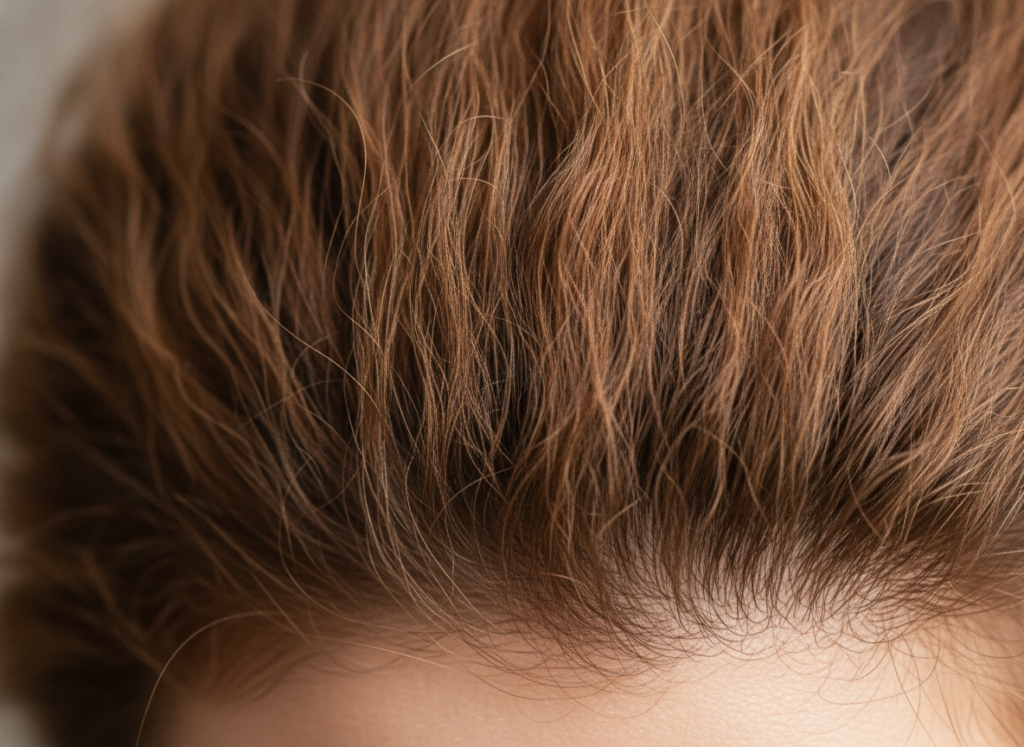
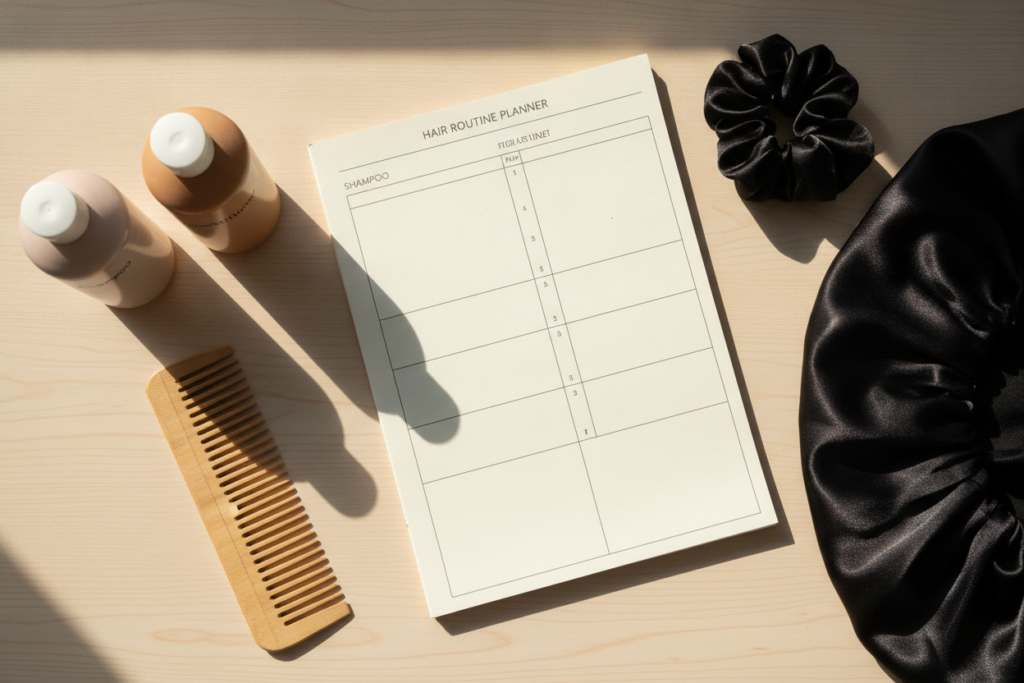
Longer hair rarely comes from one miracle product. A successful Hair Growth Journey is built through small choices that protect the scalp, support the body, and reduce daily breakage.
Progress can feel slow at first. A clear routine, simple tracking, and realistic expectations can make the process easier to follow.
What Hair Growth Really Means
Hair growth begins inside the follicle. Each strand moves through a growth phase, a short transition phase, and a resting phase. These phases do not happen at the same speed for every person.
That is why two people can follow the same routine and see different results. Age, genetics, hormones, health, stress, medication, and hair texture can all affect the way hair grows.
Growth is not the same as length retention
The scalp may produce new hair while the ends break away. In that case, hair growth is happening, but visible length changes very little. Split ends, rough styling, heat, tight hairstyles, and chemical treatments can reduce length retention.
A better goal is to support healthy hair growth while protecting the strands you already have. Take photos, measure carefully, and judge progress over several months rather than several days.
Important: Sudden hair loss, bald patches, scalp pain, severe itching, or rapid thinning deserves professional attention. A doctor or dermatologist can help identify possible causes.
The Main Stages of a Hair Growth Journey
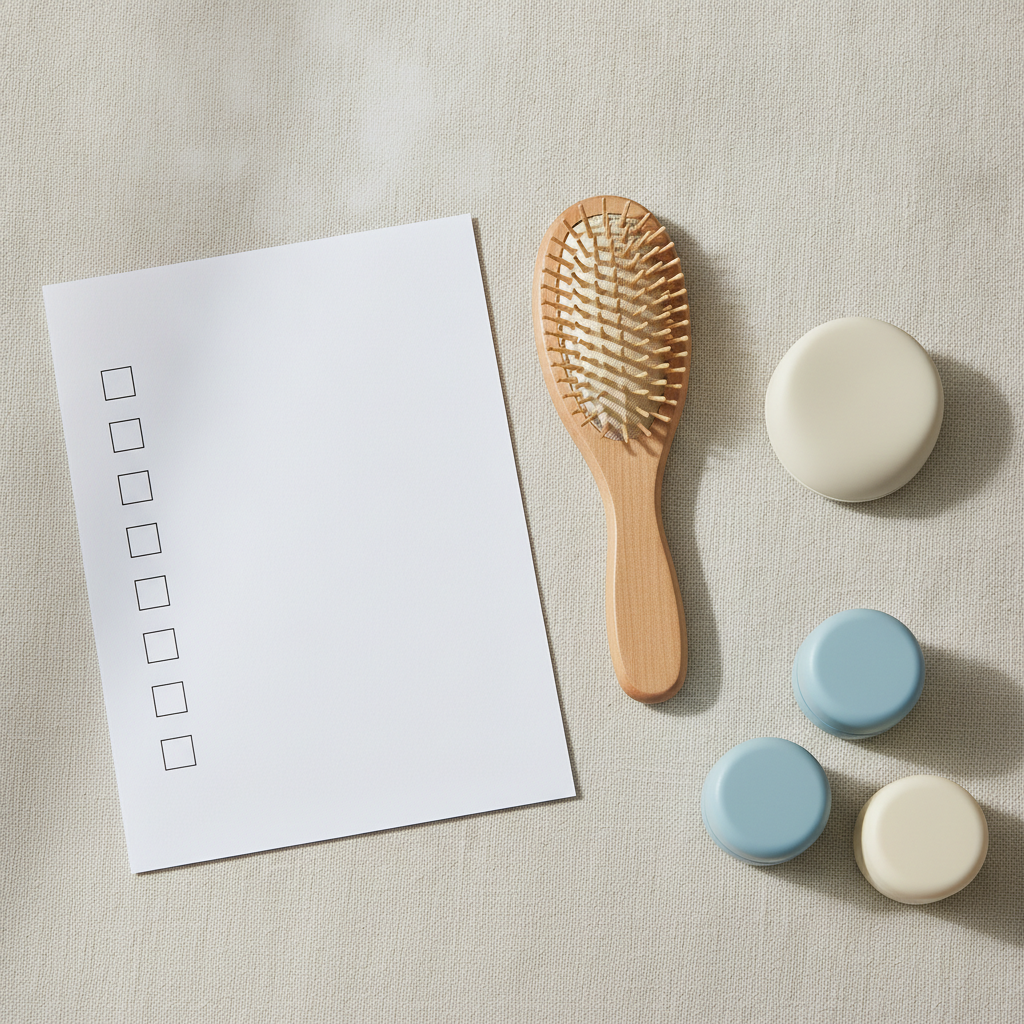
A simple timeline can help you understand what to expect. The first phase is preparation. You create a baseline, review your habits, and remove sources of breakage.
The second phase is consistency. You follow a steady wash, scalp care, and styling routine. You also give new products enough time to show whether they fit your needs.
The third phase is review. After several months, compare photos, shedding notes, scalp comfort, and breakage. Keep what works and change only one or two things at a time.
Stage one: build a clear baseline
Take photos in the same light and from the same angles.
Record your wash schedule and common styling habits.
Note changes in shedding, thinning, dryness, or scalp comfort.
List treatments, medication, and products already in use.
Stage two: make the routine easier
A routine that takes too much time is hard to maintain. Choose steps you can repeat on busy days. Simple care often works better than a crowded shelf of products.
Scalp Care for Better Hair Growth Support
The scalp is the foundation for every strand. Cleanse it according to your oil level, activity, hair type, and product use. A scalp that feels tight, sore, flaky, or very itchy may need a closer look.
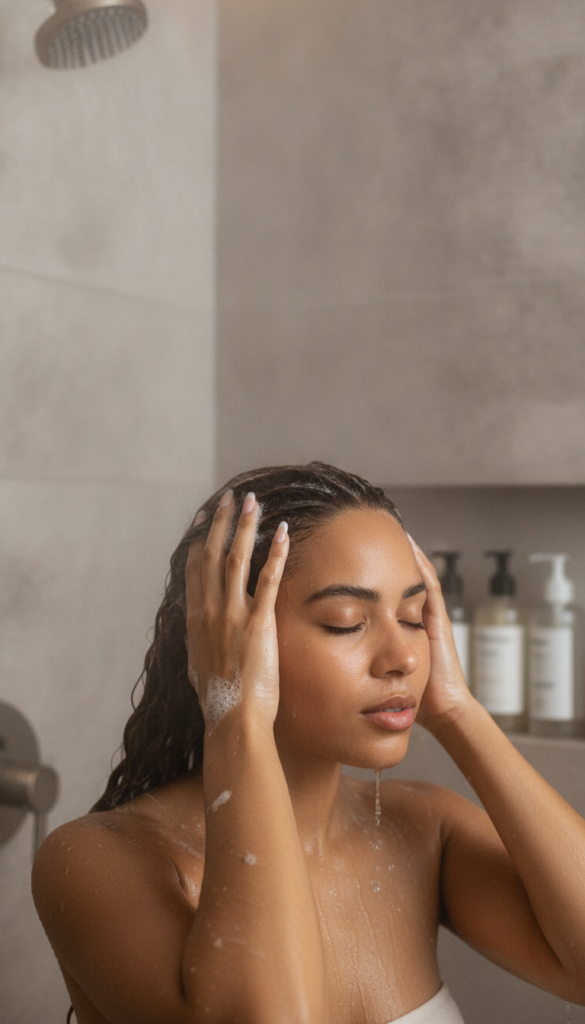
Shampoo should reach the scalp, not only the lengths. Use the pads of your fingers and avoid scratching with your nails. Rinse well so residue does not remain around the follicles.
How to use scalp massage
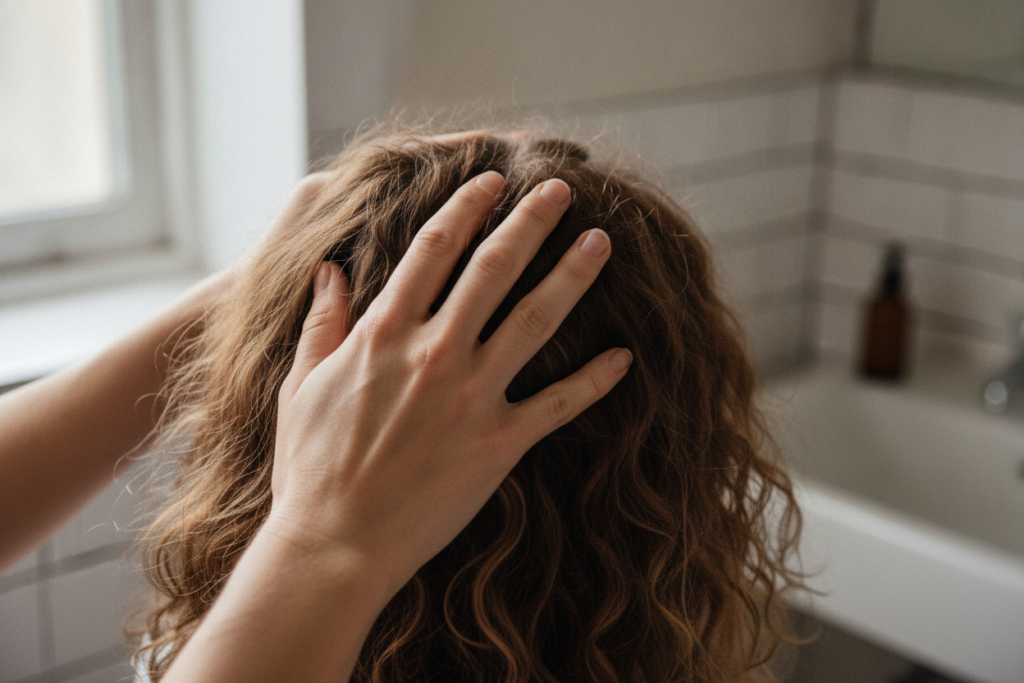
A gentle scalp massage can make washing feel more relaxing. Move your fingertips in small circles for a few minutes. Use light pressure and stop if you feel pain, irritation, or increased shedding.
Massage is not a guaranteed way to increase hair growth. It is best viewed as a gentle care habit. If you use an oil, patch test first and keep it away from the eyes.
Massage with clean fingertips.
Keep pressure light and steady.
Do not pull or twist the strands.
Wash out heavy oil if the scalp feels coated.
Want help choosing a routine?
Explore this resource if you want to compare a guided hair care option. Review the ingredients, directions, cost, and suitability for your needs before making a decision.
Wash frequency depends on your scalp and lifestyle. Some people need frequent shampooing because of oil, sweat, or styling products. Others prefer more time between washes. The best schedule leaves the scalp comfortable and the hair manageable.
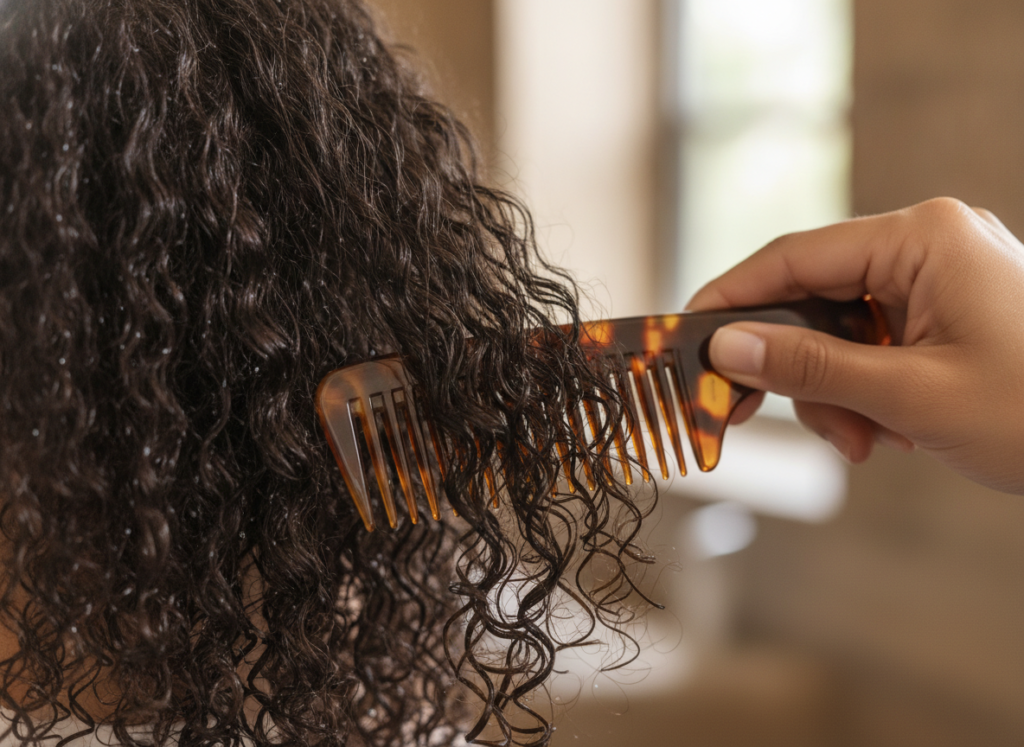
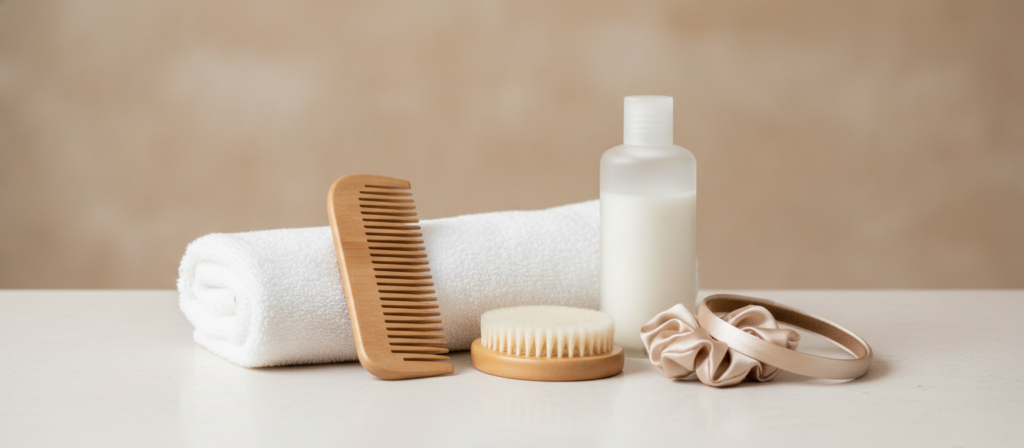
Apply conditioner mainly to the lengths and ends. Detangle from the ends upward. A wide-tooth comb, soft brush, or fingers may help reduce breakage, depending on your hair texture.
Choose products by function
Use a shampoo that cleans without leaving the scalp painfully dry.
Use conditioner to improve slip and reduce tangling.
Choose a treatment when hair feels rough, weak, or overly dry.
Use a lightweight oil or cream only when it suits your hair.
Change one formula at a time so you can observe the result.
More products do not always mean more growth. A crowded routine can cause buildup, confusion, and wasted money. Make sure each product has a clear purpose.
Nutrition, Stress, and the Body
Hair is only one part of the body. The follicles need energy and nutrients, but eating more of one nutrient does not guarantee faster hair growth. A balanced diet is a better foundation.
Include regular meals with protein, colorful produce, healthy fats, and enough fluids. Protein supports many body functions, including the structure of hair strands. Iron, zinc, vitamin D, and other nutrients may matter when a person is deficient.
Do not start high-dose supplements without professional guidance. Too much of some nutrients can cause harm or affect health. Blood tests may be useful when hair loss is persistent or linked with other symptoms.
Daily habits that support healthy hair
Eat enough food rather than following extreme restriction.
Include a protein source in regular meals.
Drink fluids throughout the day.
Prioritize sleep and manageable stress care.
Ask a clinician about ongoing shedding or thinning.
Stress can affect the body and may be linked with increased shedding for some people. That does not mean stress is always the cause. Look at the full picture, including illness, medication, hormones, diet, and family history.
Looking for another hair growth option?
This resource may suit readers who want to learn more about a hair growth product or routine. Check the offer details and speak with a health professional if you have medical concerns.
Protective styling can reduce daily handling, but a style should never cause pain. Tight braids, ponytails, extensions, or buns may place repeated tension on the same areas. Over time, that tension can contribute to breakage or hair loss.
Choose a style that feels comfortable from the first day. Vary the direction of tension, avoid overly tight edges, and give the scalp regular breaks. Make sure the hair is fully dry before covering it for long periods.
Protect your ends
Sleep with a smooth bonnet, scarf, or pillowcase.
Keep ends moisturized when they feel dry.
Trim damaged split ends when needed.
Avoid rough towels and aggressive brushing.
Remove extensions carefully and allow recovery time.
Split ends cannot be repaired permanently by a product. Treatments can improve the feel and appearance for a while, but trimming is the lasting way to remove a split section.
Use Heat and Chemical Treatments With Care
Heat can change the feel and shape of hair, but high temperatures may weaken the outer layer. Use the lowest setting that works. Keep the tool moving and avoid repeated passes over the same strand.
Heat protectant products may reduce some styling stress, but they do not make unlimited heat safe. Give hair rest days when possible. Air-dry part of the way before using a blow dryer.
Chemical treatments can also affect strength. Follow the directions, avoid overlapping applications, and do not combine several harsh services close together. A professional stylist can help assess the condition of your strands.
Signs your routine needs a reset
Hair snaps during detangling.
Ends feel rough and split quickly.
Hair feels gummy or unusually weak when wet.
The scalp burns or stays irritated after a treatment.
Thinning appears near areas of repeated tension.
Stop a product or treatment if it causes burning, swelling, a rash, or severe irritation. Seek medical advice when symptoms continue.
Track Hair Growth Without Obsessing
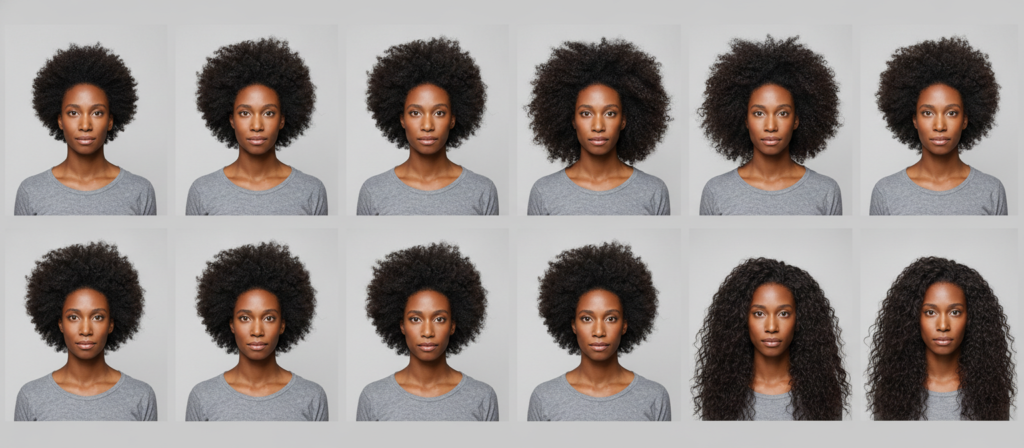
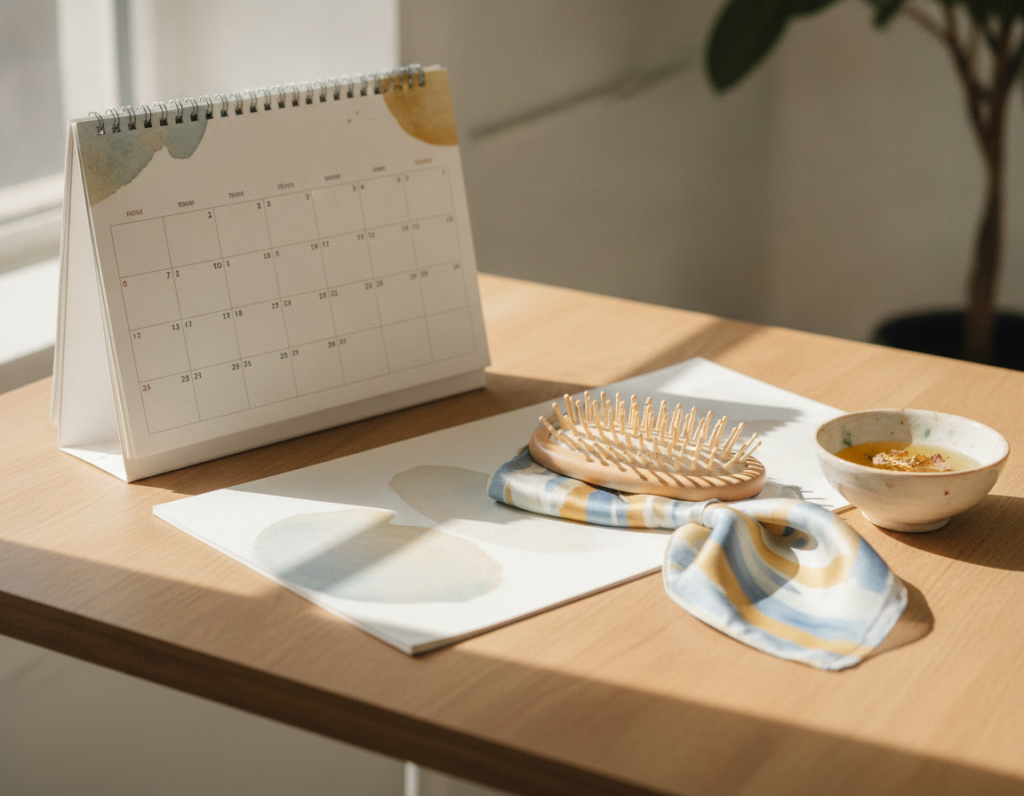
Tracking can show patterns that memory misses. Take a front, side, back, and crown photo every four to eight weeks. Use the same background, angle, hairstyle, and lighting.
Write down major changes. Record a new product, a color service, an illness, a diet change, or a stressful period. This information may help you notice what affects shedding or breakage.
What to track
Scalp comfort and flaking.
Amount of shedding during wash day.
Breakage around the hairline and ends.
Length retention and split ends.
Changes in density or visible thinning.
Do not compare your hair with a stranger online. Camera angles, styling, genetics, and editing can create an unrealistic standard. Compare your current hair with your own baseline.
Common Hair Growth Mistakes to Avoid
One common mistake is changing products every week. Hair may need time to respond, and frequent changes make it hard to identify what helps or irritates the scalp.
Another mistake is treating breakage as a follicle problem. If the scalp feels healthy but the ends keep snapping, focus on detangling, moisture, heat, and styling tension.
Some people also massage too hard, apply too much oil, or leave heavy products on a scalp that does not tolerate buildup. More intensity does not always create better results.
Helpful choices
Use a steady routine for several months.
Protect the ends from friction.
Review product directions.
Track changes with consistent photos.
Choices to reconsider
Buying every trending product.
Ignoring scalp pain or sudden loss.
Using high heat every day.
Expecting overnight growth.
When to ask for help
Contact a dermatologist or other qualified professional if hair loss is sudden, severe, patchy, painful, or linked with fatigue or other body changes. Professional guidance is especially important before using treatments during pregnancy, while taking medication, or when managing a health condition.
How to Choose Hair Growth Products and Resources
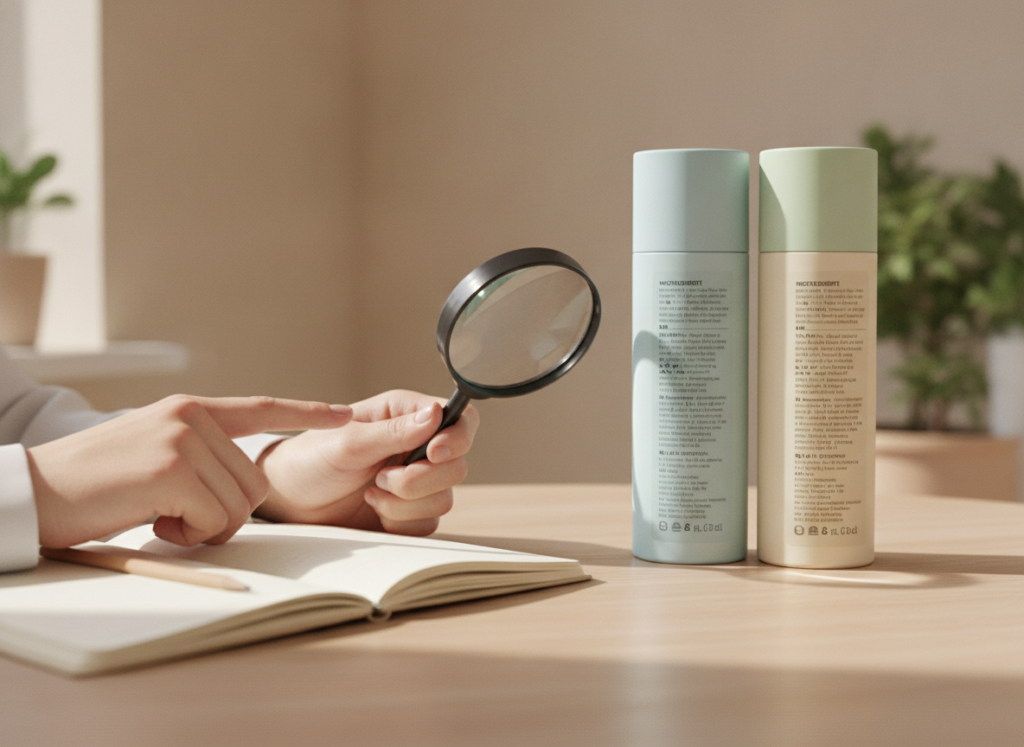
Online advice can introduce useful ideas, but it should not replace an evaluation when you have unexplained hair loss. Before purchasing products, check what the formula is designed to do and whether the claims are realistic.
Look for clear directions, a full ingredient list, contact information, customer support, and a visible return policy. Make sure the resource explains who should avoid it. Be cautious when a page promises dramatic results in a very short time.
Match the CTA to your goal
For routine planning
Choose a resource that helps you organize wash day, scalp care, styling, and progress tracking.
Best for beginners.
Useful when the routine feels confusing.
Review directions before use.
For product research
Choose a resource that gives clear details about formula, use, expected results, and safety information.
Best for warm shoppers.
Compare value and suitability.
Do not rely on a headline alone.
For persistent loss
Choose professional care instead of relying only on online products or home treatments.
Best for unexplained changes.
Useful for scalp symptoms.
Ask about testing and causes.
These CTA patterns reflect the SERP. Informational publishers build trust through education first. Lifestyle publishers use natural product discovery. Brand publishers connect advice with a shopping path. Your content can compete by combining all three without making the article feel like an advertisement.
Choose the resource that fits your next step
If you are comparing options, review this resource carefully. It may be useful for readers who want a more guided approach, but the right choice depends on your hair, scalp, health, and budget.
Use the first month to create your baseline. Take photos, simplify your products, and observe your scalp. Do not try several new treatments at once.
Use the second month to improve consistency. Follow a regular wash schedule, massage gently if comfortable, reduce unnecessary heat, and protect your ends. Keep notes about shedding and breakage.
Use the third month to review. Compare your photos and notes. If your scalp feels better and breakage is lower, continue. If you see sudden loss or irritation, seek professional guidance.
Week one: photograph your hair and list your current products.
Week two: refine washing, conditioning, and detangling.
Week three: reduce tension, heat, and rough handling.
Week four: review scalp comfort and record changes.
Keep the plan flexible
Your hair may need a different routine during travel, seasonal weather, illness, or a major lifestyle change. Flexibility is not failure. The goal is to return to gentle care when your schedule allows.
Hair Growth Journey FAQ
How long does a Hair Growth Journey take?
Visible progress often takes several months. The exact pace depends on genetics, health, growth phase, hair texture, and length retention. Focus on reduced breakage and scalp comfort as well as length.
Can scalp massage make hair grow faster?
Gentle scalp massage may be a relaxing care habit, but it is not a guaranteed treatment for hair loss. Avoid forceful rubbing and stop if your scalp becomes sore or irritated.
Does cutting split ends increase hair growth?
Trimming does not change the follicle growth phase. It can remove damaged ends and help prevent splitting from traveling farther up the strand. That may improve length retention.
What is the best oil for hair growth?
There is no single oil that suits everyone. Oils can improve softness and reduce friction for some hair types. Patch test first, avoid the eyes, and stop if you notice irritation or buildup.
Why is my hair still thinning?
Thinning can have many causes, including genetics, hormones, illness, medication, stress, nutritional deficiency, and tension. Persistent or sudden hair loss should be discussed with a qualified health professional.
Start Your Hair Growth Journey With One Consistent Step
A realistic Hair Growth Journey is not a race. Support your scalp, eat balanced meals, protect your strands, limit harsh styling, and track changes over time.
Start with one habit today. You might create a baseline, improve your wash day, reduce heat, or schedule professional advice for ongoing hair loss. Choose a resource only after checking that it fits your needs.
Progress is easier to maintain when your routine is gentle, clear, and realistic.
Ready to take the next step?
Choose the option that matches your goal. Use the first resource for guided hair care, the second for another product-focused option, or the third for further hair growth research. Review every offer before buying.
Your best routine is the one you can follow safely for the long term. Give your hair time, notice what changes, and ask for help when a concern goes beyond everyday care.